In short
- First trip: Douala + Kribi + Yaoundé, or add the Western Highlands (Dschang, Bandjoun, Foumban) for culture.
- Nature lovers: Kribi and Campo-Ma'an on the coast; the Dja and Lobéké rainforests for expedition-style trips.
- Check the advice: Limbe/Mount Cameroon, Lobéké and the Far North are currently under 'do not travel' or 'essential travel only' advice from the UK, US or France.
- Every destination has six pages: overview, things to do, guides & tours, getting there, where to stay and when to go.
How to choose
Cameroon is larger than Germany or Japan, roads are slow and tourism infrastructure is concentrated in a handful of places. Most good trips focus on two or three regions: the coast for beaches and food, Yaoundé for museums and primates, and the Western Highlands for royal palaces and chiefdoms. The country's great wildernesses — the Dja and Lobéké — reward travellers with time, budget and an experienced operator.
Below, destinations are grouped by zone. Hubs marked 'Check travel advice' are currently under 'do not travel' or 'essential travel only' advice from at least one of the UK, US or French governments; their pages explain the situation and alternatives. Our itineraries show how to combine the rest.
Quick comparison
| Destination | Best for | Days | Official advice |
|---|---|---|---|
| Douala | Arrival city, food, art, colonial landmarks | 1–2 | Open — city precautions |
| Kribi | Beaches, Lobé Falls, seafood | 3–4 | Open |
| Campo-Ma'an & Ebodjé | Sea turtles, rainforest park | 2–3 | Open — remote |
| Limbe & Mount Cameroon | Black-sand beaches, botanic garden, volcano | — | UK: essential travel only (Limbe), all travel against (Buea); US: do not travel |
| Yaoundé | Capital, museums, Mefou primates | 2–3 | Open — city precautions |
| Dja Faunal Reserve | UNESCO rainforest, Baka culture | 4–6 | Open — expedition |
| Lobéké | Forest elephants and gorillas at bais | — | UK: against all travel (CAR border zone) |
| Foumban | Bamoun sultanate, museums, crafts | 1–2 | Open; France: orange near Lake Bamendjing |
| Dschang & Bafoussam | Bamileke chiefdoms, highlands | 2–3 | Open; France: orange near NW/SW borders |
| Maroua, Rhumsiki & Waza | Sahel landscapes, Mandara Mountains | — | UK/US/France: do not travel (except Maroua for UK essential travel) |
Distances between destinations
| From → To | Distance | Time |
|---|---|---|
| Douala → Kribi | ≈ 170 km | 2.5–3.5 h |
| Douala → Yaoundé | ≈ 240 km | 4–5 h (train ≈ 4 h 45) |
| Douala → Dschang | ≈ 220 km | 4.5–5 h |
| Douala → Bafoussam | ≈ 250 km | 4.5–5.5 h |
| Bafoussam → Foumban | ≈ 70 km | ≈ 1.5 h |
| Yaoundé → Kribi | ≈ 270 km | 4–5 h |
| Kribi → Campo | ≈ 80 km | 1.5–2 h |
| Yaoundé → Somalomo (Dja) | ≈ 250 km | 5–7 h |
Gateways: where trips begin
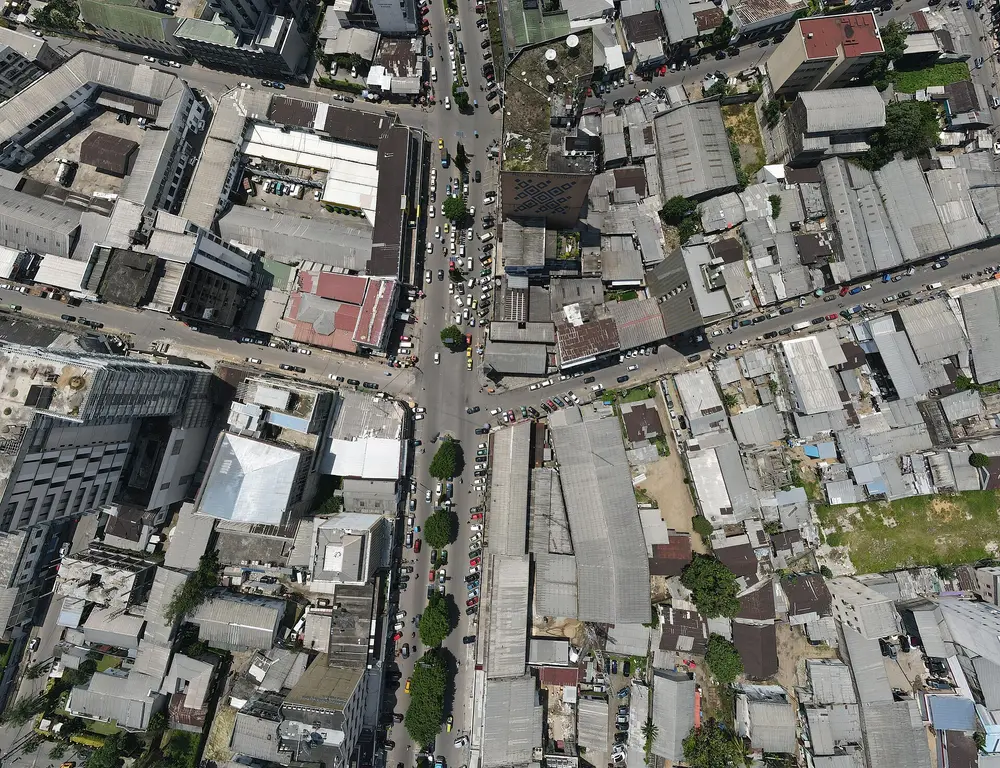
Almost every trip starts in Douala (for Kribi, Campo-Ma'an and the West) or Yaoundé (for the Dja, the south-east and Foumban via Bafia). Flying into one and out of the other saves a day of backtracking. Kribi has no airport, and domestic flights mainly serve northern cities under restrictive advice, so road and rail are the way to move between destinations.
The four zones in brief
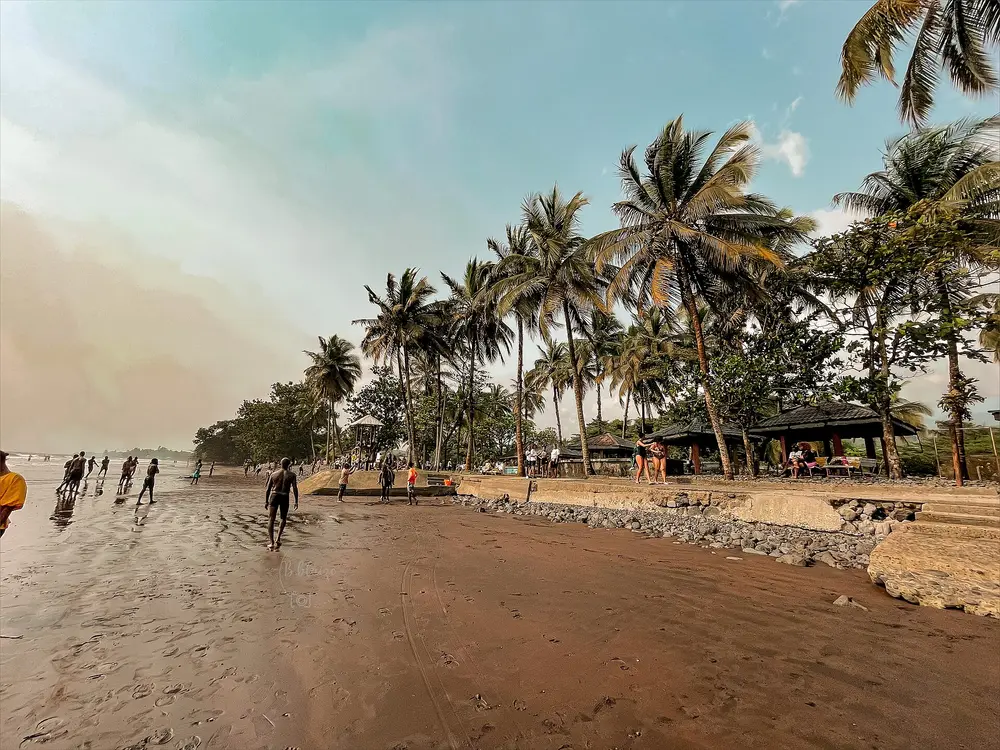
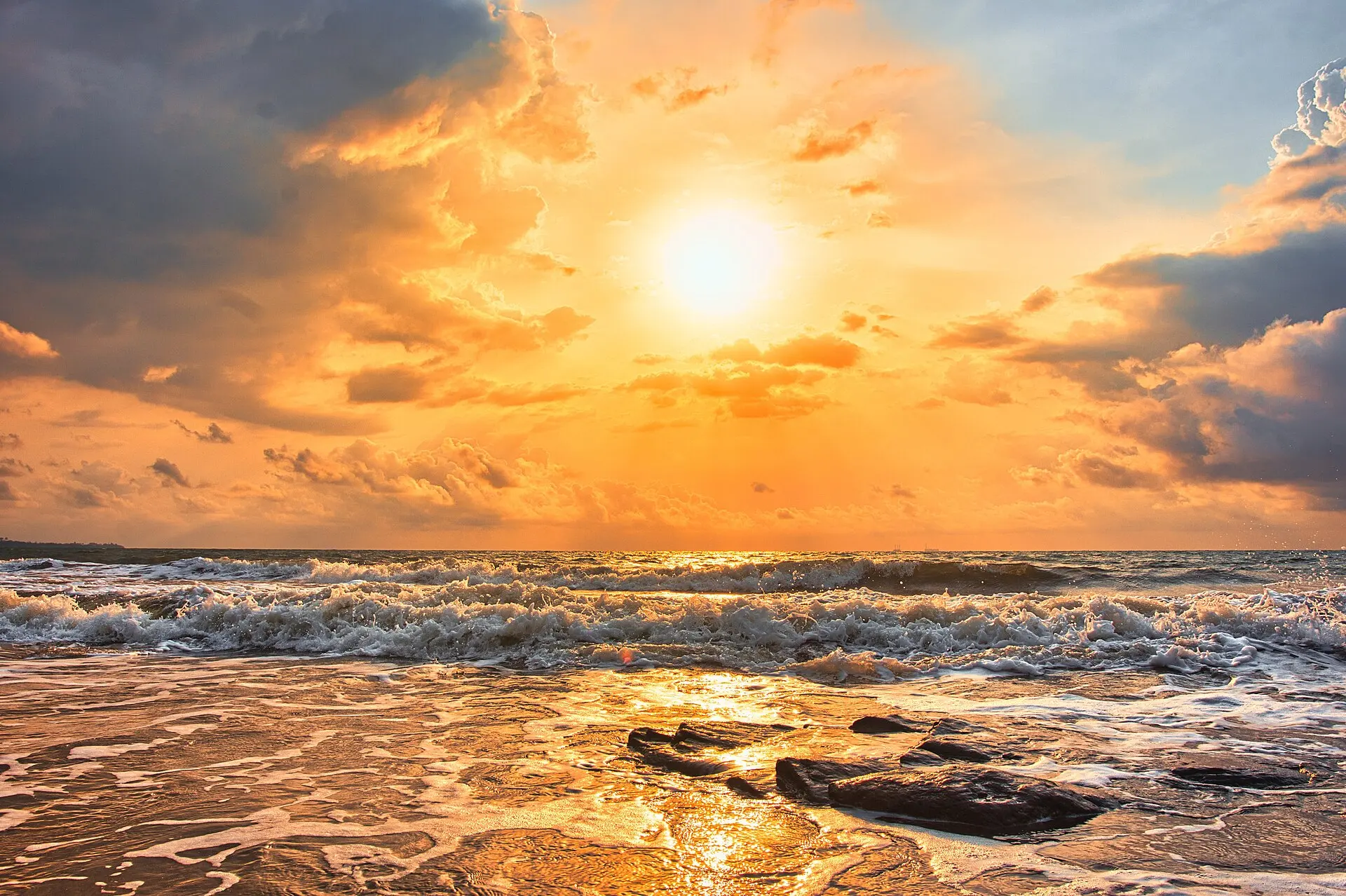
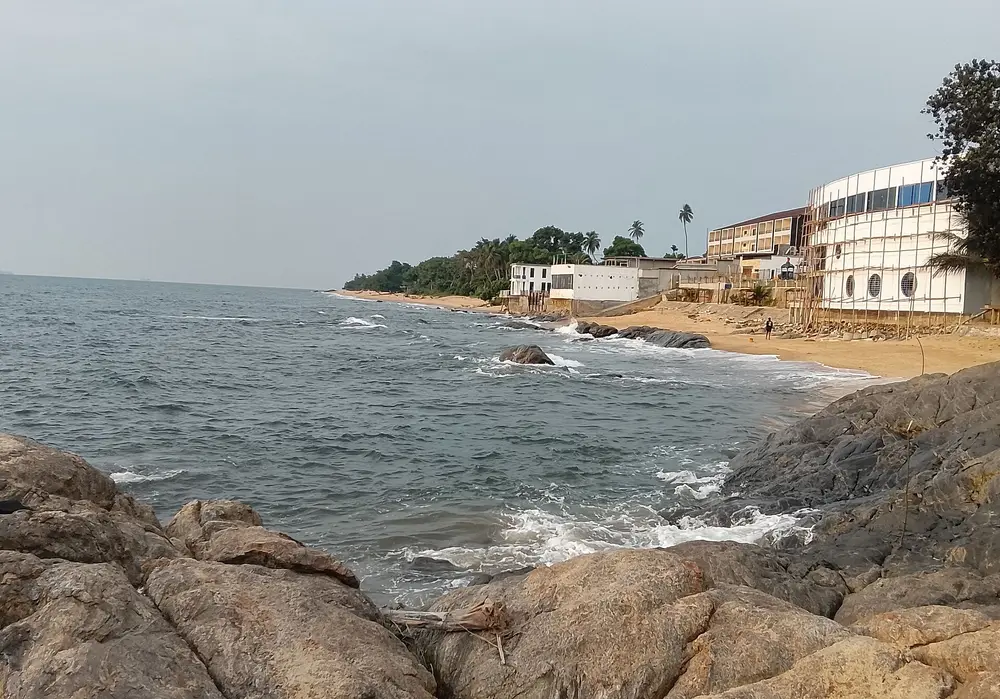
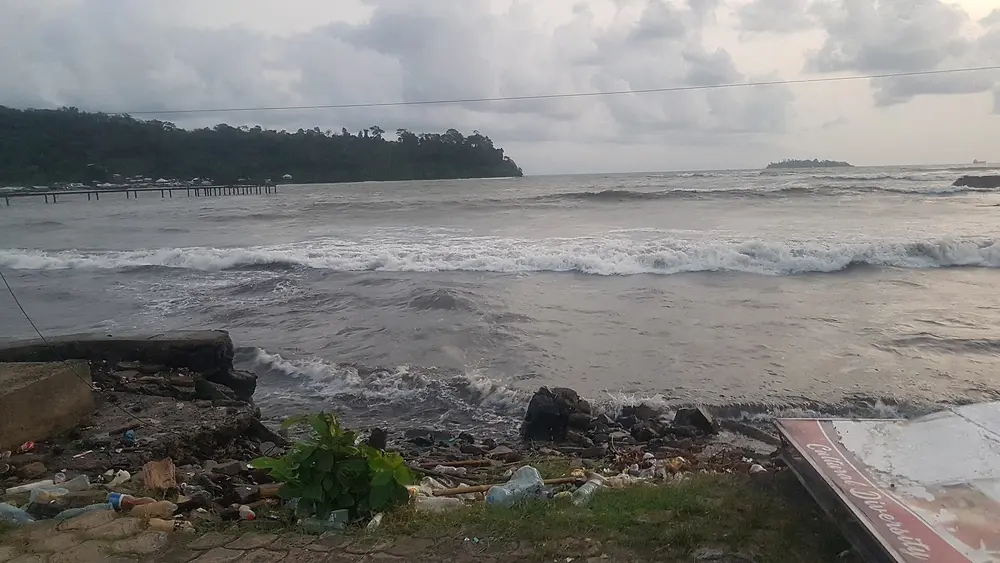
Atlantic coast. Douala is the gateway and economic capital; two to three hours south, Kribi is Cameroon's favourite beach town, with the Lobé Falls tumbling into the sea. Further south, Campo-Ma'an National Park meets the ocean at the Equatorial Guinea border, and the village of Ebodjé runs a community turtle-conservation project. North-west of Douala, Limbe's black volcanic beaches and Mount Cameroon are, for now, under restrictive advice.
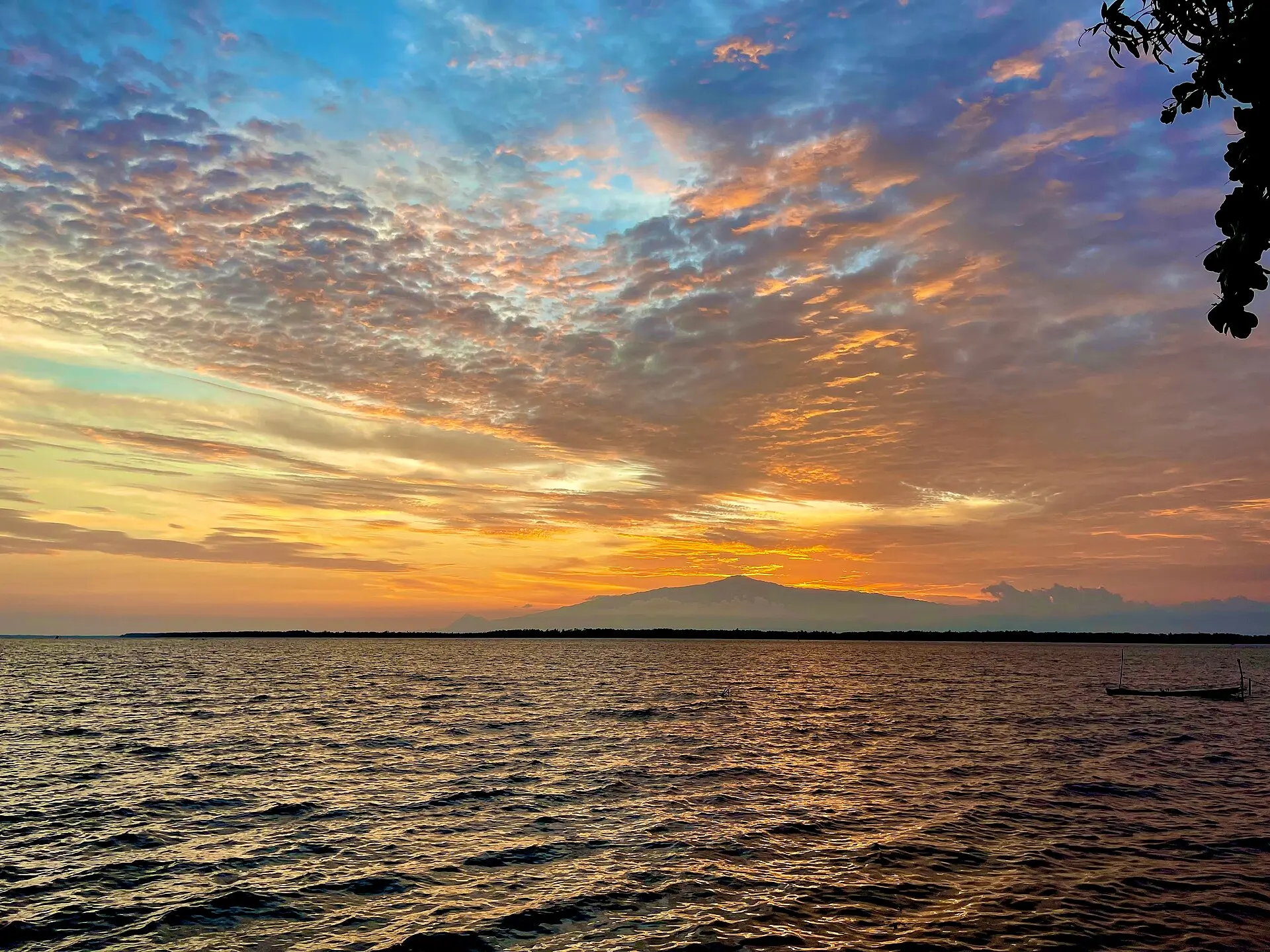
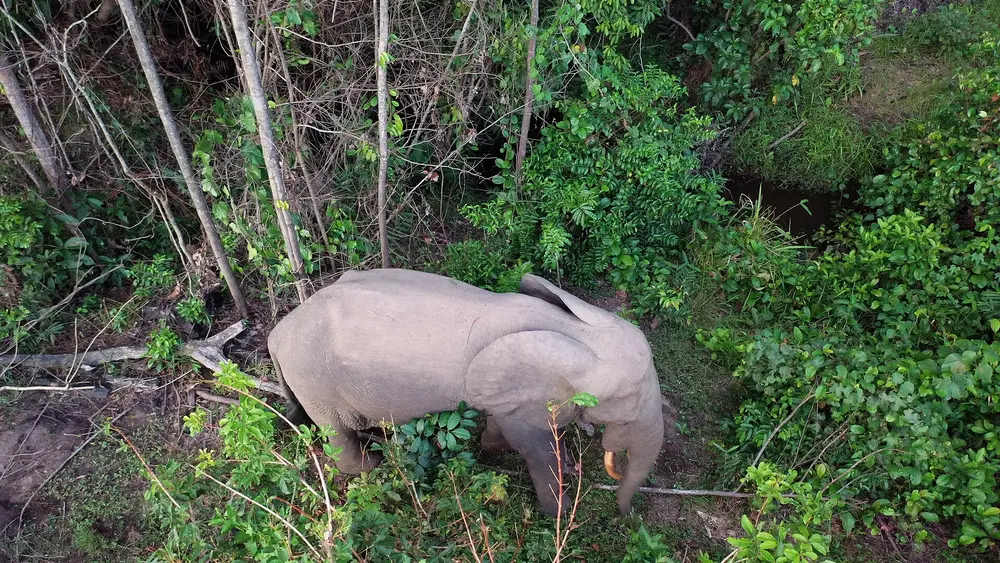
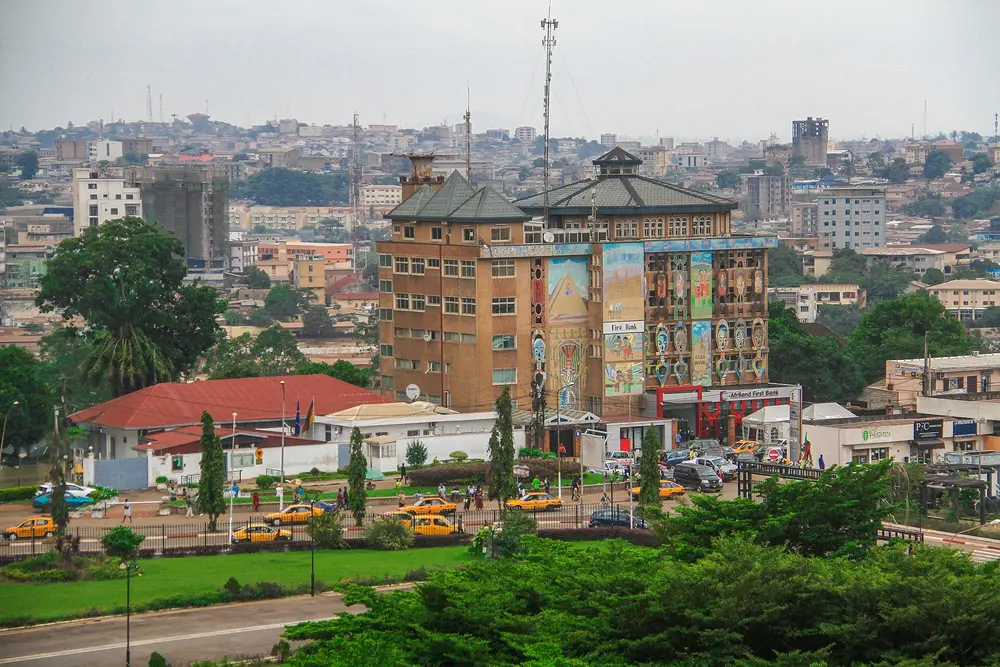
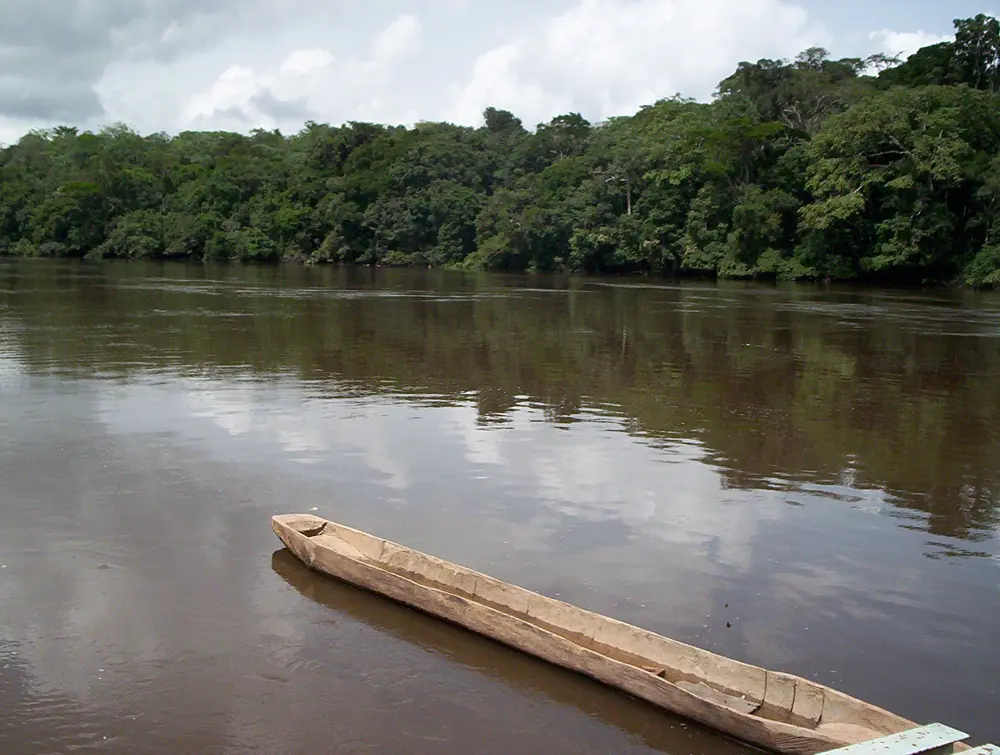
Centre, south and east. Yaoundé, the green capital on seven hills, has the National Museum, the Benedictine Museum and the Mefou primate sanctuary nearby. South-east lie the Dja Faunal Reserve and Lobéké National Park, two of the Congo Basin's great forests, both UNESCO-listed.
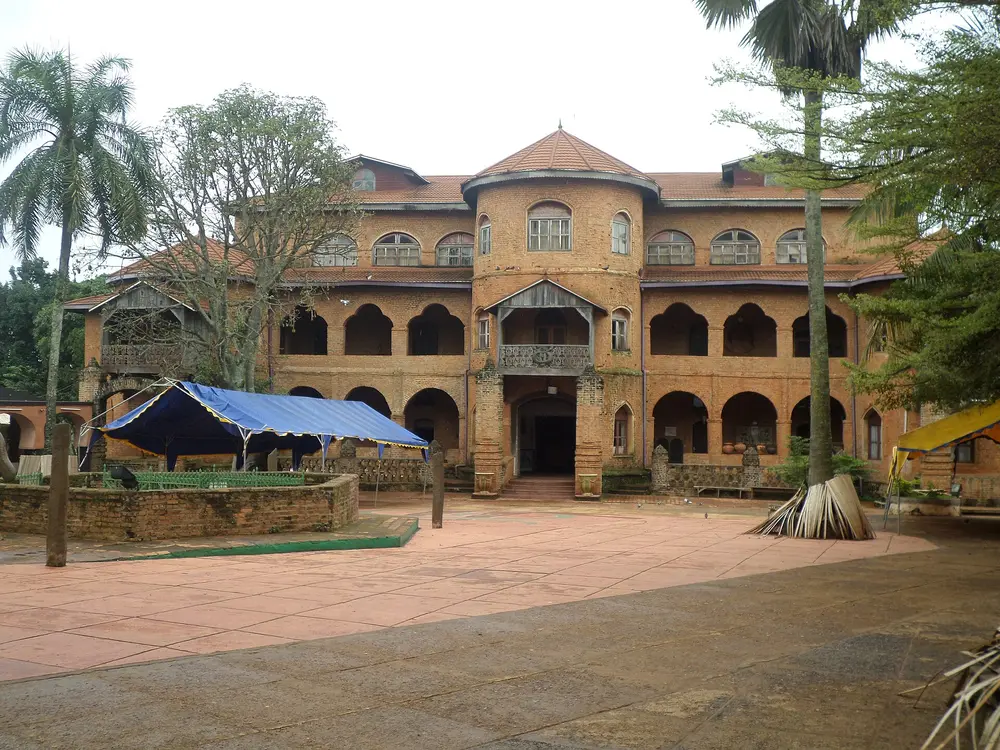
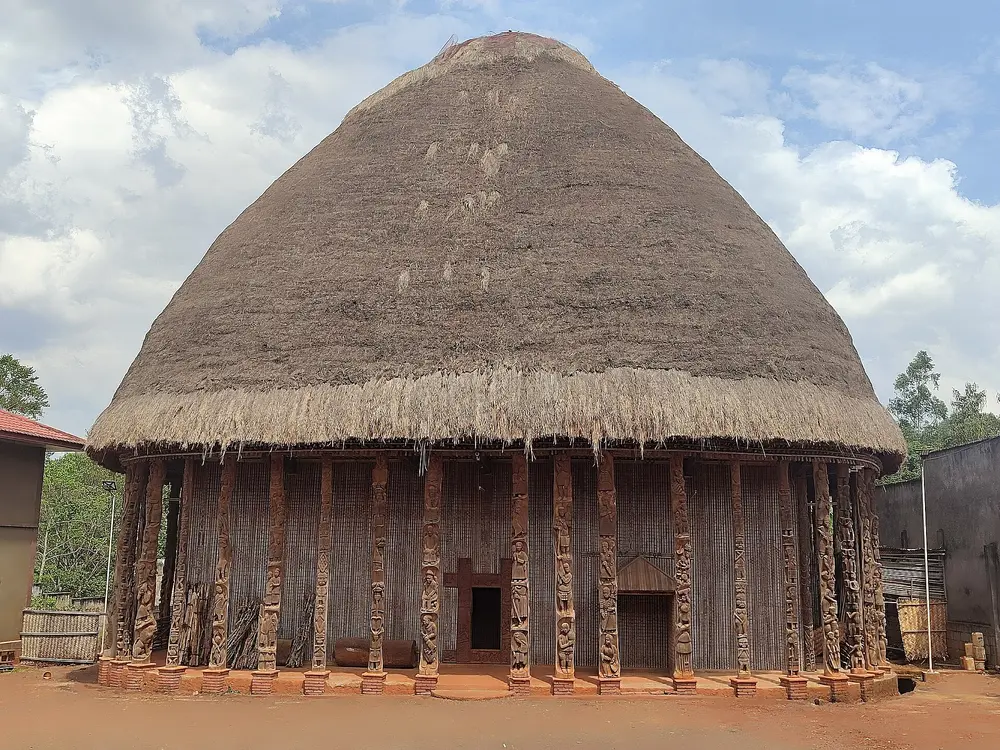
Western Highlands. Volcanic hills, coffee farms and the most visible living traditions in Cameroon: the Bamoun sultanate at Foumban and dozens of Bamileke chiefdoms (chefferies) around Dschang, Bafoussam and Bandjoun.
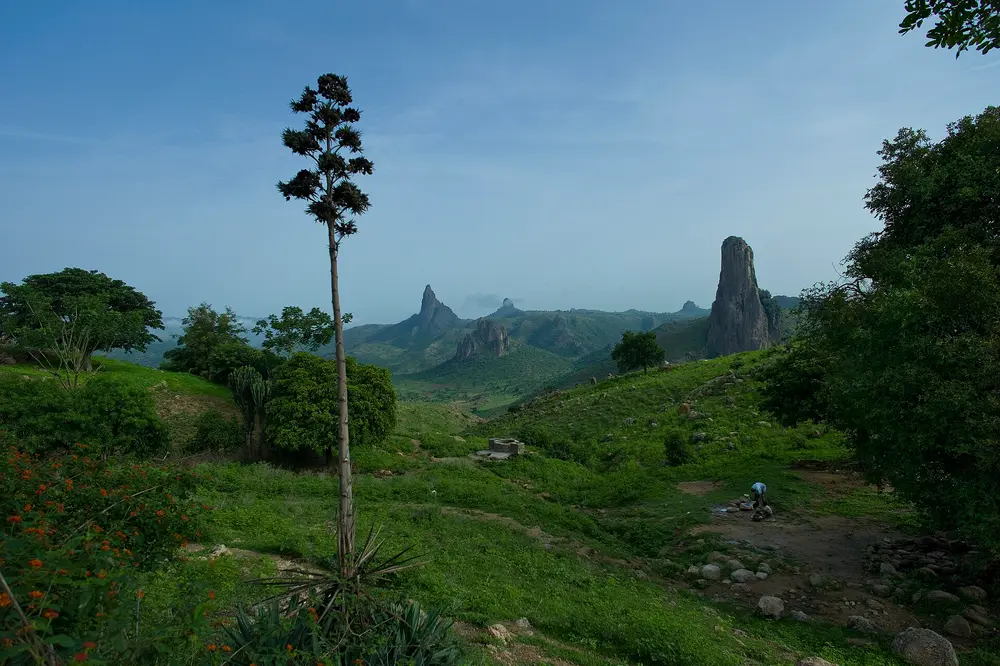
Far North. Rhumsiki's volcanic needles, the Mandara Mountains and Waza National Park were once the country's tourism heartland. Today the region is under 'do not travel' advice; our page explains why.
Which destinations suit you?
- First-time visitors with a week: Douala and Kribi, plus Yaoundé if you fly out of Nsimalen.
- Culture lovers: Foumban and the chiefdoms of Dschang & Bafoussam, with museums in Yaoundé and Douala.
- Beach and food: Kribi and Grand Batanga, with grilled fish every day.
- Wildlife: the Mefou sanctuary near Yaoundé for certain encounters; Campo-Ma'an and the Dja for wild forest.
- Families: Kribi's beaches, the Mefou primates, Douala's Maritime Museum.
- Diaspora and returning visitors: combine family visits with the Ngondo in Douala (December) or a highlands tour.
Where to go, month by month
- December–February: everywhere in the south is at its best — Kribi's beaches, turtles at Ebodjé, the West's festival season, the Dja's driest months.
- March–May: good for Douala, Yaoundé, Foumban and the West's museums, with afternoon storms.
- June–August: the coast is very wet; Yaoundé and the south have a drier spell in July–August — the Mefou sanctuary and day trips work well.
- September–November: the wettest time inland; the Lobé Falls are at their fullest from October and the dry season returns in November.
Places not on our hub list (yet)
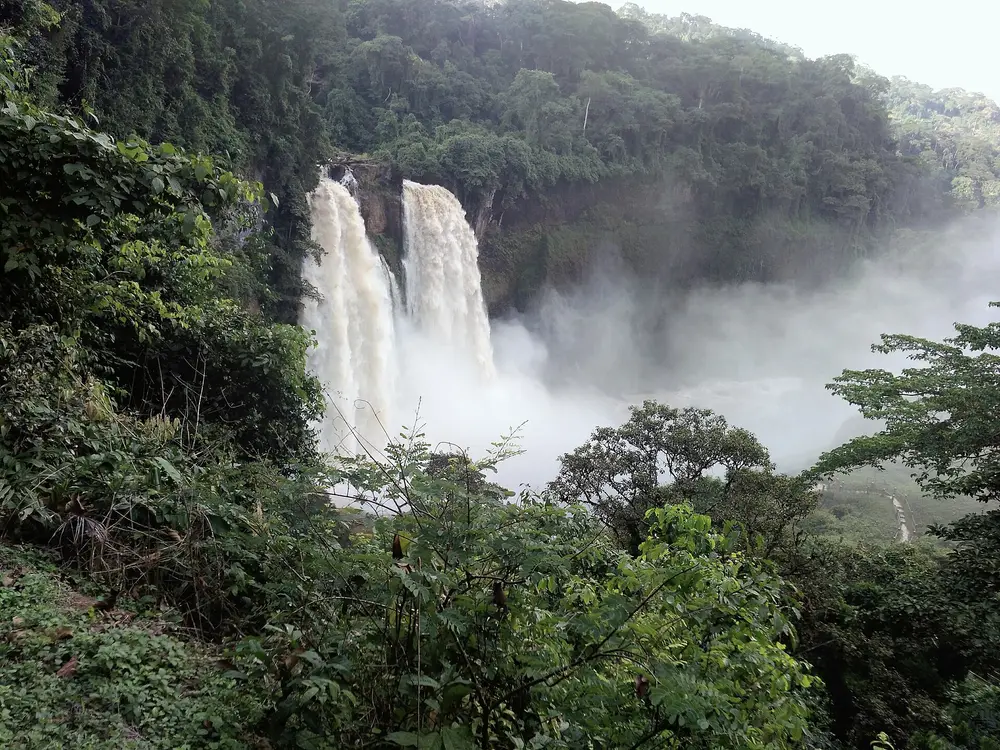
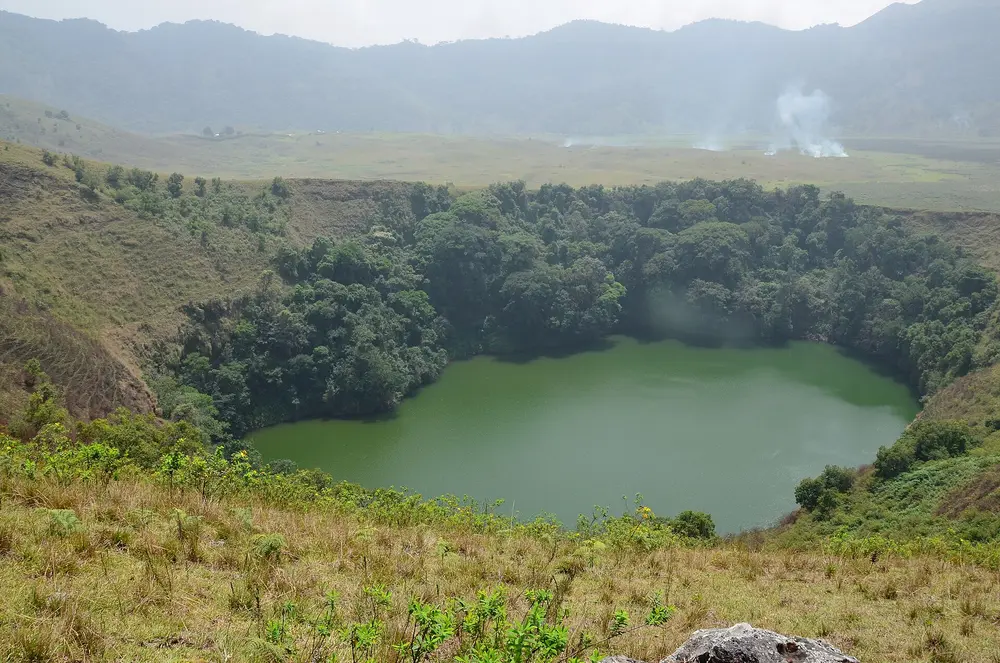
Cameroon has many more places worth knowing: Ekom-Nkam Falls and Mount Manengouba between Douala and the highlands (see France's advice for the Manengouba area), the crater lakes and the Ring Road of the North-West (currently under 'do not travel' advice), Ngaoundéré and Lake Tison on the Adamawa plateau, Garoua and the Bénoué park in the North (UK: essential travel only), Edéa and Lake Ossa in the Littoral. We cover the ones that are realistically visitable in our top sights and activities guides and will add hubs as conditions allow.
Destinations with bookable experiences
As of November 2026, GetYourGuide lists newly published experiences in Douala, Yaoundé and Kribi, plus Kribi–Ebodjé packages relevant to Campo-Ma'an. For the West, Foumban and the Dja, licensed Cameroonian agencies remain the way to book.
Douala guided city tour with lunch and hotel pickup
A guided full-day city tour of Douala with lunch and hotel pickup. Newly listed on GetYourGuide with no reviews yet (November 2026) — check the itinerary and inclusions on the listing.
Check availabilityBook via GetYourGuideMefou park tour from Yaoundé
A guided tour of the Mefou park near Yaoundé, home of the Ape Action Africa primate sanctuary. Newly listed on GetYourGuide with no reviews yet (November 2026) — check the itinerary and inclusions on the listing.
Check availabilityBook via GetYourGuideKribi and Ebodjé cultural immersion
A trip to Kribi and the turtle village of Ebodjé. Turtle sightings depend on the season and are never guaranteed. Newly listed on GetYourGuide with no reviews yet (November 2026) — check the itinerary and inclusions on the listing.
Check availabilityBook via GetYourGuideTour listings are on GetYourGuide. Prices, times and cancellation terms are shown live on each listing and can change; VisitCameroon.com may earn a commission at no extra cost to you.
Destinations under travel advice
Three of our destination guides cover places that are currently advised against: Limbe and Mount Cameroon in the South-West (UK: all but essential travel to Limbe, all travel to the rest of the region), Lobéké near the CAR border (UK: against all travel within 40 km of the border) and Maroua, Rhumsiki and Waza in the Far North (against all travel outside Maroua's surroundings). We keep them for background and for essential travellers, with open alternatives on each page: Kribi for beaches, the West for highland culture and the Dja or Campo-Ma'an for rainforest.
Hidden corners worth knowing
Between the main hubs lie smaller places that reward travellers with time: Edéa, with its German-era bridges over the Sanaga and Lake Ossa nearby; Londji, a fishing village with a sheltered bay north of Kribi; Mbalmayo and Ebogo on the Nyong south of Yaoundé; and the chiefdoms of Batoufam and Bangangté in the West. Each fits easily into the itineraries on this site.
How to combine destinations
Cameroon's main roads form a rough triangle — Douala–Yaoundé on the N3, Douala–Bafoussam through the Moungo valley and Yaoundé–Bafoussam via Bafia — with the coast road branching south from Edéa to Kribi and Campo. Plan your route around this triangle: start in Douala, loop through the West to Foumban, continue to Yaoundé and finish on the coast at Kribi, or reverse it. The forests of the south and east hang off Yaoundé as separate expeditions.
Distances are modest, but allow a full day for any leg over 250 km and never plan to arrive after dark. Our itineraries give day-by-day versions, and each destination's 'Getting there' page has the details.
| From → to | Road time | Good stop on the way |
|---|---|---|
| Douala → Kribi | 2.5–3.5 h | Edéa and the Sanaga bridges |
| Douala → Dschang | 4.5–5 h | Ekom-Nkam Falls (by day, in a group) |
| Bafoussam → Foumban | ≈ 1.5 h | Chiefdoms around Bafoussam |
| Foumban → Yaoundé | 5–6 h | Bafia and the Mbam valley |
| Yaoundé → Kribi | 4–5 h | Edéa |
| Kribi → Campo | 1.5–2 h | Grand Batanga, Lobé Falls, Ebodjé |
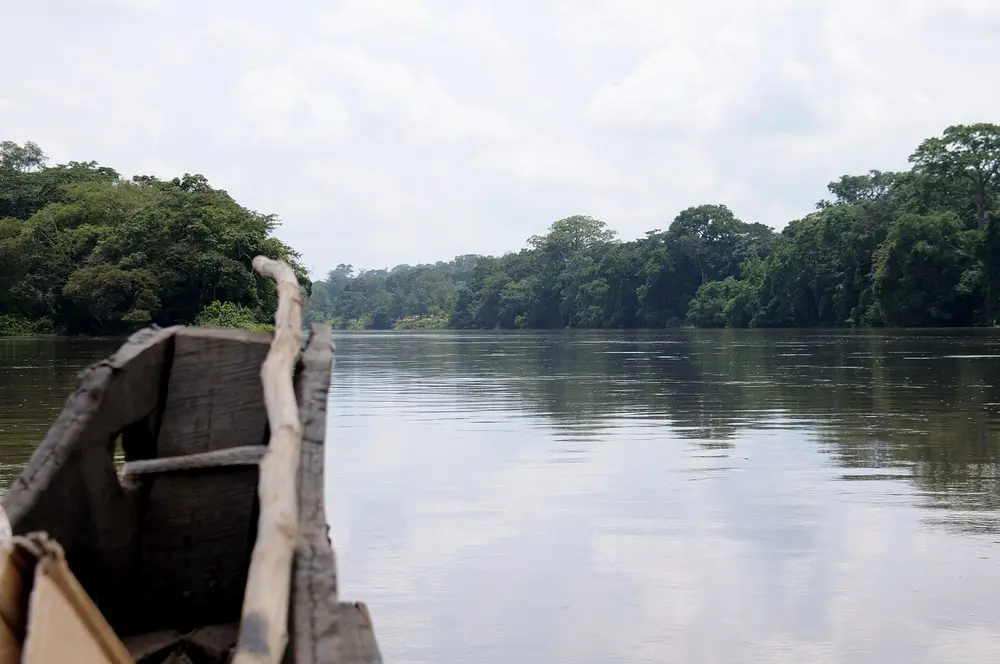
Atlantic coast Littoral · South · South-West
Centre, south & east Centre · South · East
Western Highlands West Region
Far North Far North Region
Frequently asked questions
What is the most beautiful place in Cameroon?
Many Cameroonians would name Kribi's coast and the Lobé Falls, the green Bamileke highlands or — currently under travel advice — Mount Cameroon and Rhumsiki. For a first trip, Kribi and the West are the most rewarding open regions.
Which parts of Cameroon can tourists visit?
As of November 2026, the Littoral (Douala), the Centre (Yaoundé), the South (Kribi, Campo, much of the Dja) and most of the West (Dschang, Bafoussam, Foumban) are not under 'do not travel' advice. Check official advice for any trip.
What is the best place to visit in Cameroon?
For a first trip: Kribi for beaches and the Lobé Falls, Foumban and the West for kingdoms and crafts, Yaoundé for museums and primates, and Douala for urban culture and food.
Sources and official information
Facts were checked against these official and primary sources in November 2026. Security advice, visa rules, prices and timetables change, so confirm before you go.
VisitCameroon.com is an independent guide, not the official site of the Ministry of Tourism and Leisure (MINTOUL), the Government of Cameroon or any operator. Some links are affiliate links: hotels go to Booking.com and tours to GetYourGuide, and we may earn a commission at no extra cost to you.