- Region
- Far North Region
- How long
- Not advised (Nov 2026)
- UK advice
- Against all travel (Maroua: essential travel only)
- US advice
- Level 4 — Do Not Travel
- France
- Red — formally advised against
- UNESCO
- Diy-Gid-Biy, Mandara Mountains (2025)
In short
- Advice (November 2026): UK — against all travel to the Far North except Maroua and its immediate surroundings, where it advises against all but essential travel; US — Level 4, do not travel; France — red (formally advised against) for the whole region, including the Mandara Mountains.
- Why: attacks by Boko Haram and Islamic State West Africa, kidnappings, IEDs and military operations; a cholera outbreak was also reported in 2025–26.
- What the region is known for: Rhumsiki's volcanic plugs and Kapsiki villages, the Diy-Gid-Biy stone sites (UNESCO 2025), Maroua's crafts and markets, and Waza National Park.
- This page is background and future planning — not an invitation to go now.
The current situation
Since 2013–14, the Far North has been affected by the insurgency that began in north-east Nigeria. Armed groups — Boko Haram and Islamic State West Africa — have carried out attacks, suicide bombings and kidnappings, and the FCDO notes an increased use of IEDs since 2023. Military operations continue, and hundreds of thousands of people have been displaced. Foreigners were kidnapped in the region in 2013–14, and tourism collapsed.
- UK FCDO: against all travel to the Far North, except a 20 km radius north, east and west of Maroua and 30 km south of it, where it advises against all but essential travel.
- US State Department: Far North Region — Level 4, Do Not Travel.
- France (MEAE): the entire region is red (formally advised against), explicitly including the Mandara Mountains despite their UNESCO listing.
- Germany and the Netherlands also advise against travel to the region.
Travel insurance is unlikely to cover trips against this advice. We will update this page if the situation changes.
Guides & permits for Maroua, Rhumsiki & WazaWho to book, what licences to ask for and what it costs — our practical guide.
Read the guideRhumsiki and the Kapsiki plateau
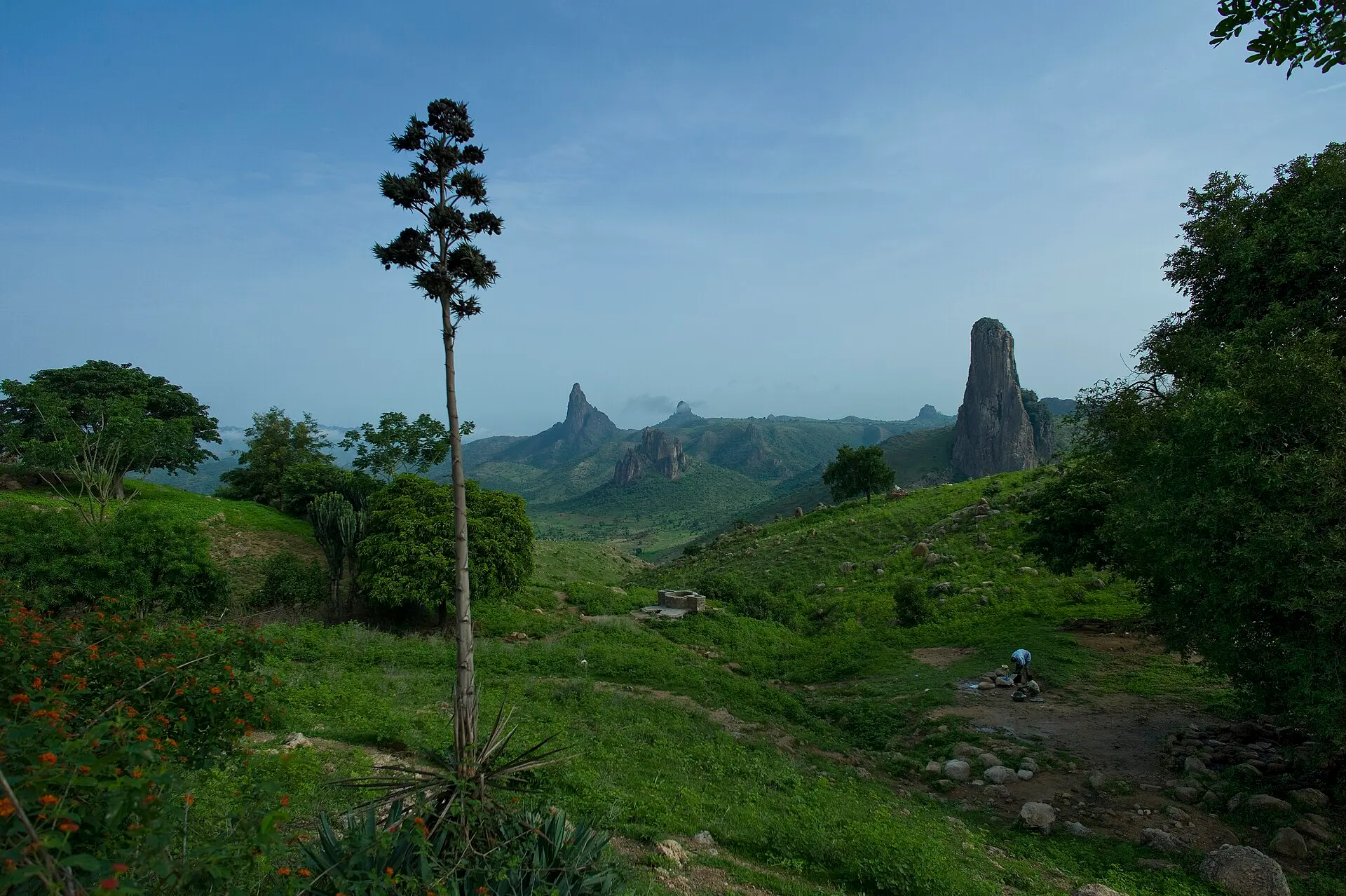
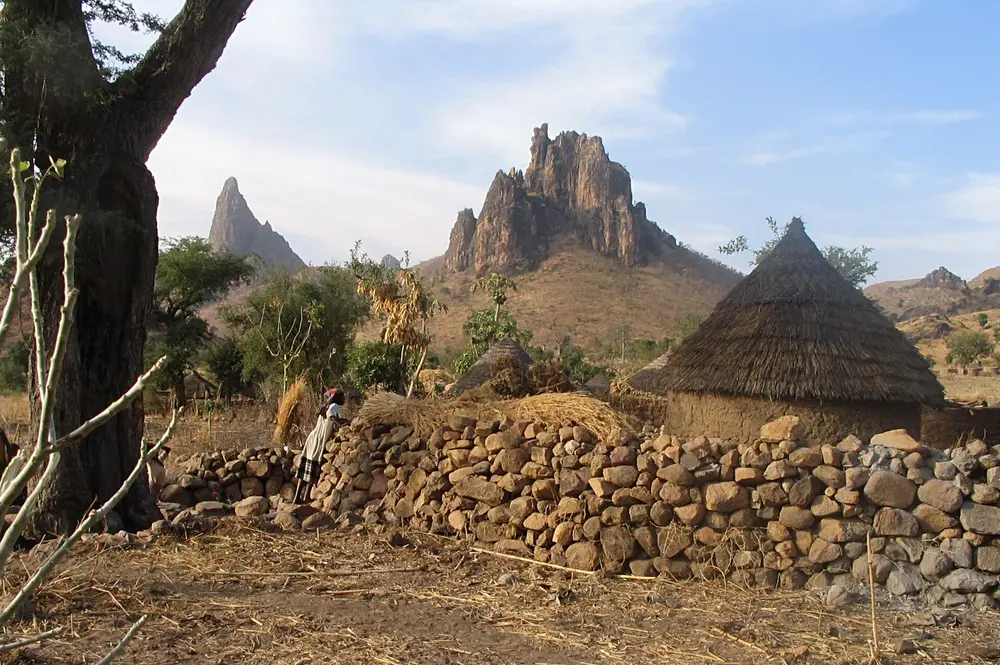
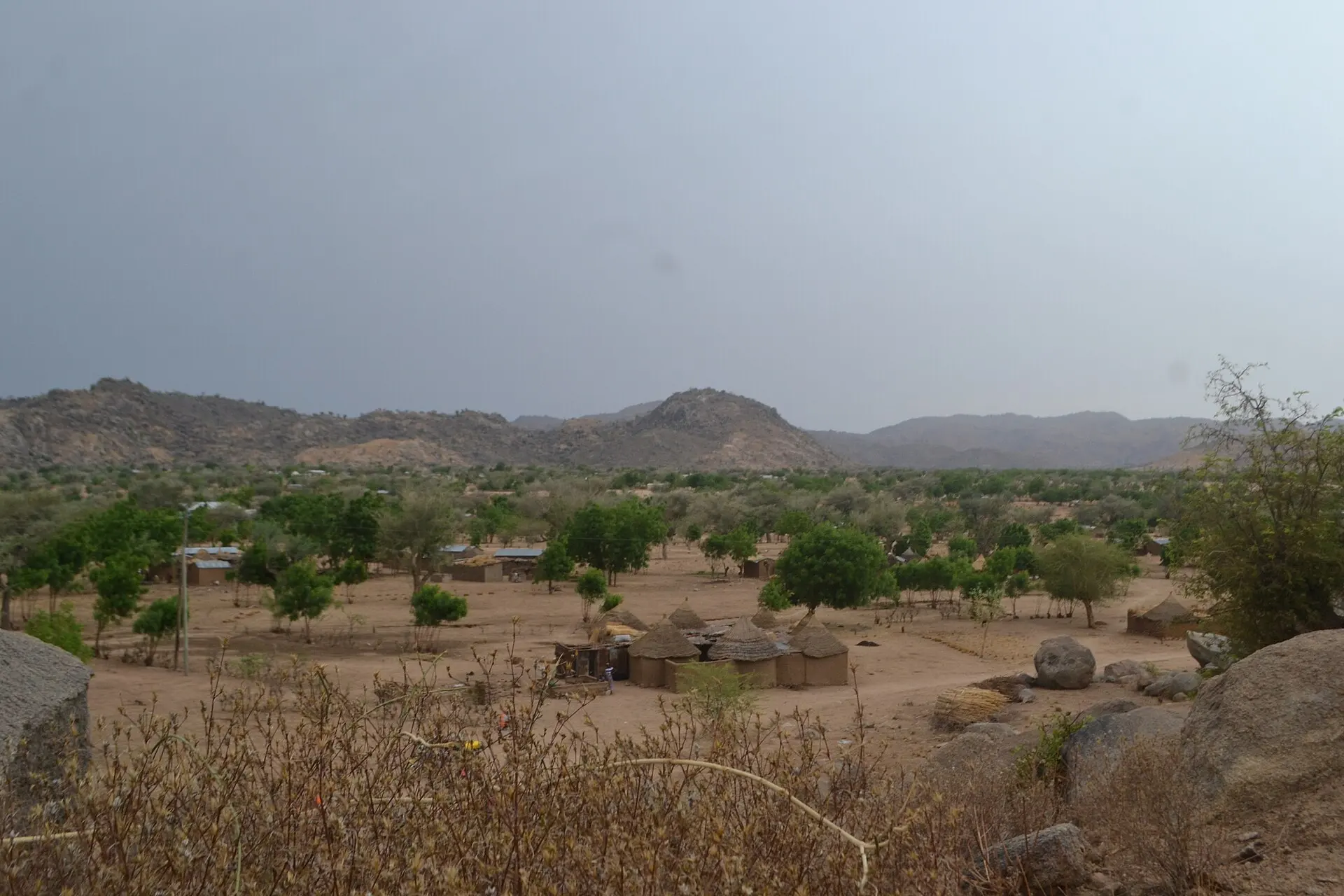
Close to the Nigerian border in the Mandara Mountains, the village of Rhumsiki looks out over a lunar landscape of volcanic plugs — the eroded cores of ancient volcanoes — dominated by the needle of Kapsiki Peak. The Kapsiki people built stone-walled compounds on the slopes, farm millet and sorghum on terraces and were known for weaving, pottery, blacksmithing and a famous crab sorcerer who read the future in the movements of a freshwater crab. For decades, Rhumsiki was Cameroon's most photographed village.
The Mandara Mountains and Diy-Gid-Biy
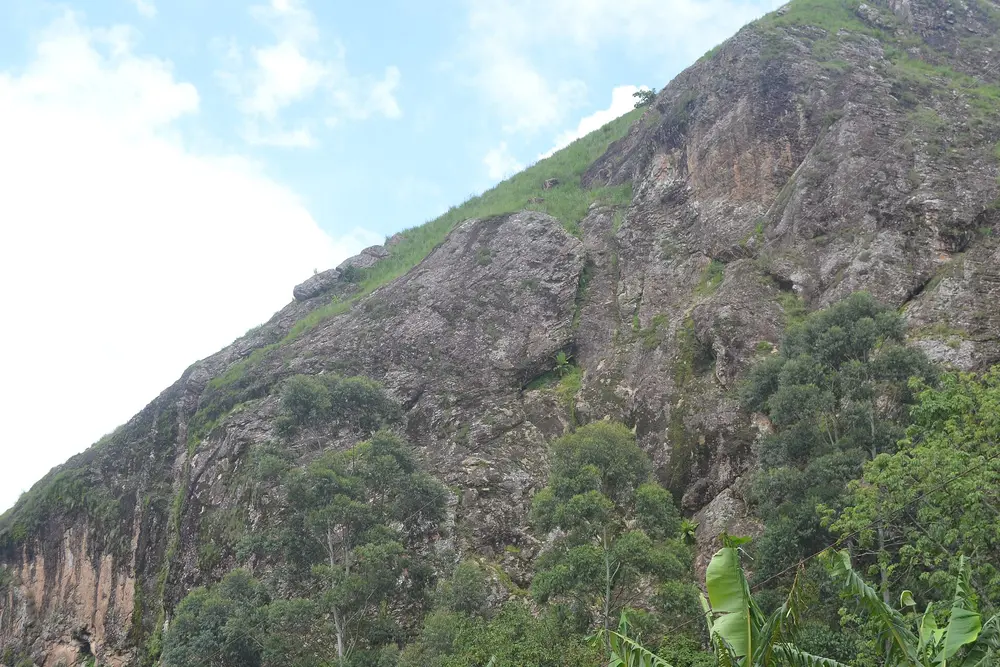
The Mandara Mountains, straddling the Nigerian border, are home to many peoples — Mafa, Kapsiki, Mofu, Podokwo and others — whose terraced fields and granaries are remarkable feats of land management. In July 2025 UNESCO inscribed the Diy-Gid-Biy Cultural Landscape of the Mandara Mountains as Cameroon's first cultural World Heritage site: sixteen dry-stone archaeological sites, probably from the 12th to 17th centuries, spread over seven villages, still held sacred by local communities. It is a contiguous serial property with Sukur in Nigeria. France's advice explicitly keeps the area red despite the inscription.
Maroua
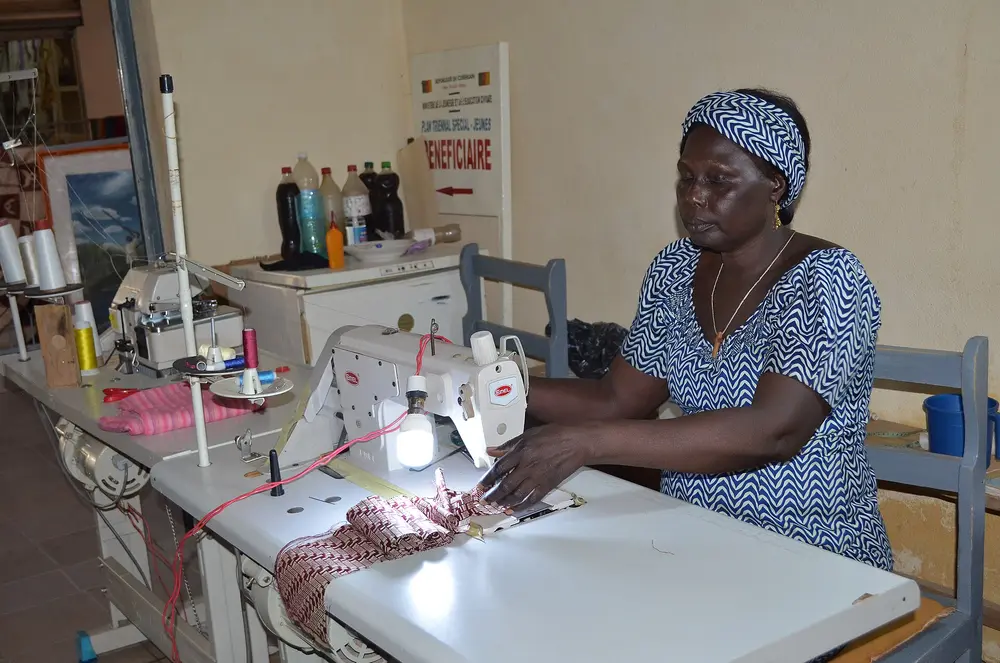
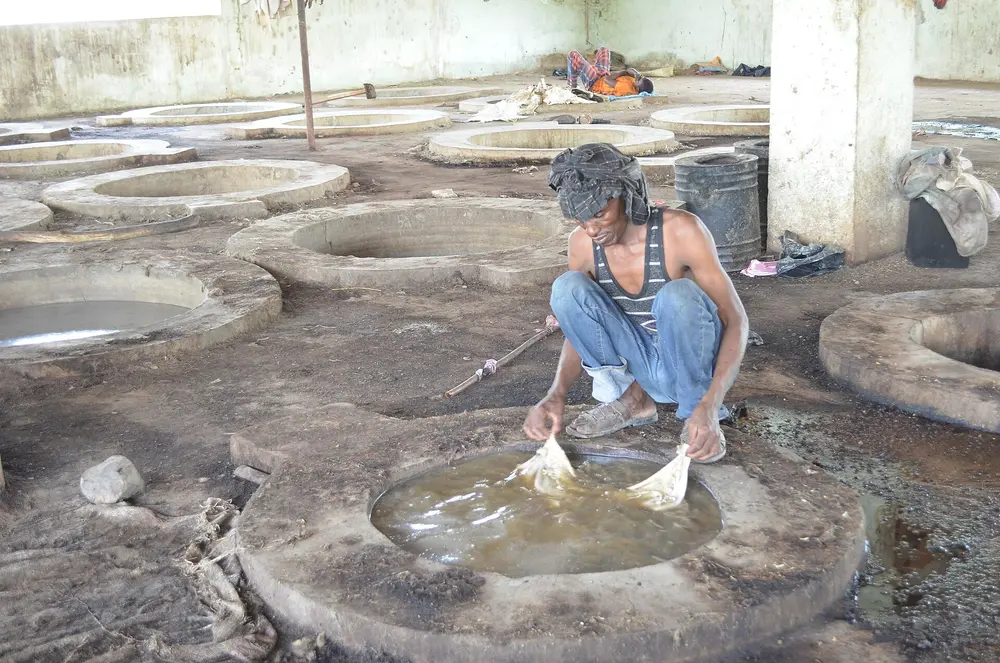
The regional capital, on the Mayo Kaliao river, is a Sahelian city of wide avenues, neem trees and the palace of the lamido, the Fulani ruler. It is known for its leatherwork (tanneries and leather goods), tailoring and its large market. Maroua is the only part of the region where the UK's advice is 'all but essential travel' rather than 'against all travel'; the US and France advise against travel to the whole region.
Waza National Park
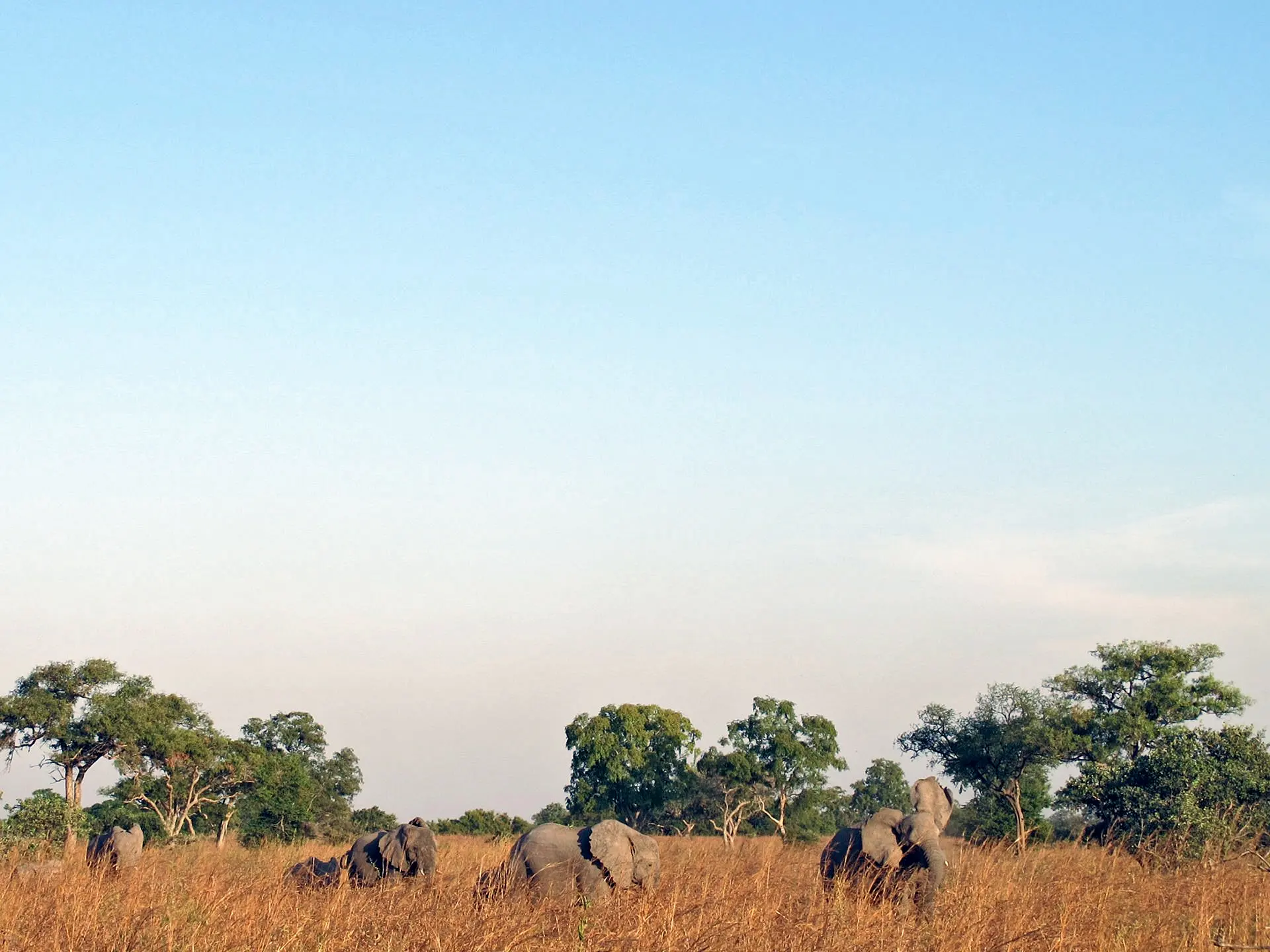
Created as a reserve in 1934 and a national park in 1968, Waza (about 1,700 km² of savannah, woodland and seasonal floodplain near Lake Chad) was West and Central Africa's most visited safari park, known for elephants, giraffes, lions, antelopes and huge flocks of birds at the waterholes in the dry season. It is a UNESCO biosphere reserve. Insecurity, poaching and reduced flooding have taken a heavy toll, and the park lies within the area under 'do not travel' advice.
If the situation improves
Before the crisis, the classic northern circuit took the overnight train from Yaoundé to Ngaoundéré, then road via Garoua (and the Bénoué National Park) to Maroua, Rhumsiki and Waza, in the November–February dry season. Should official advice change, we'll update this guide with current access, guides and accommodation.
Plan your visit to Maroua, Rhumsiki & Waza
- Things to doVolcanic plugs at Rhumsiki, Mafa and Kapsiki villages, Diy-Gid-Biy, Maroua's leather…
- Guides & toursWith the whole region under 'do not travel' advice from the US and France and 'against…
- Getting thereMaroua has an airport with domestic flights from Douala and Yaoundé; overland it is two…
- Where to stayMaroua has hotels used by aid workers and officials; the campements of Rhumsiki and…
- When to goSahelian climate: long dry season from October to May, very hot in March–May, short…
Frequently asked questions
Can I visit Rhumsiki in 2026?
The UK advises against all travel to the area, and the US and France against travel to the whole Far North Region (November 2026). We don't recommend visiting.
Is Waza National Park open?
It lies in an area under 'do not travel' advice from the UK, US and France. Tourism has stopped there for security reasons.
What is Diy-Gid-Biy?
A group of dry-stone archaeological sites in the Mandara Mountains, inscribed by UNESCO in July 2025 as Cameroon's first cultural World Heritage site.
Sources and official information
Facts were checked against these official and primary sources in November 2026. Security advice, visa rules, prices and timetables change, so confirm before you go.
VisitCameroon.com is an independent guide, not the official site of the Ministry of Tourism and Leisure (MINTOUL), the Government of Cameroon or any operator. Some links are affiliate links: hotels go to Booking.com and tours to GetYourGuide, and we may earn a commission at no extra cost to you.