- Region
- West Region (Noun department)
- How long
- 1–2 nights
- From Bafoussam
- ≈ 70 km · 1.5 h
- From Douala / Yaoundé
- ≈ 5–6 h by road
- Dynasty founded
- c. 1394 (Nchare Yen)
- UNESCO
- Nguon, intangible heritage (2023)
In short
- Where: in the Noun department of the West Region, ≈ 70 km (1.5 h) east of Bafoussam, ≈ 5–6 h from Douala or Yaoundé.
- Why: the Sultan's Palace (1917–1922), the Museum of the Bamoun Kings, the artisans' street (bronze, wood, beadwork), the Nguon festival.
- How long: one full day; overnight in Foumban or Bafoussam.
- Advice: no UK/US restriction; France advises against non-essential travel within 20 km of Lake Bamendjing (incl. Petpenoun) and on the D66 Kouomboum–Kouhouat (November 2026).
The kingdom of the Bamoun
According to the dynasty's own history, the Bamoun kingdom was founded around 1394 by Nchare Yen, a prince who left the Tikar country and settled on the plateau around Foumban. Since then, some twenty kings have reigned; the present sultan is the 20th in the line (the title 'sultan' dates from the conversion of the dynasty to Islam under Njoya). The Bamoun people are mostly Muslim, with a significant Christian minority, and the palace remains the centre of political, religious and cultural life.
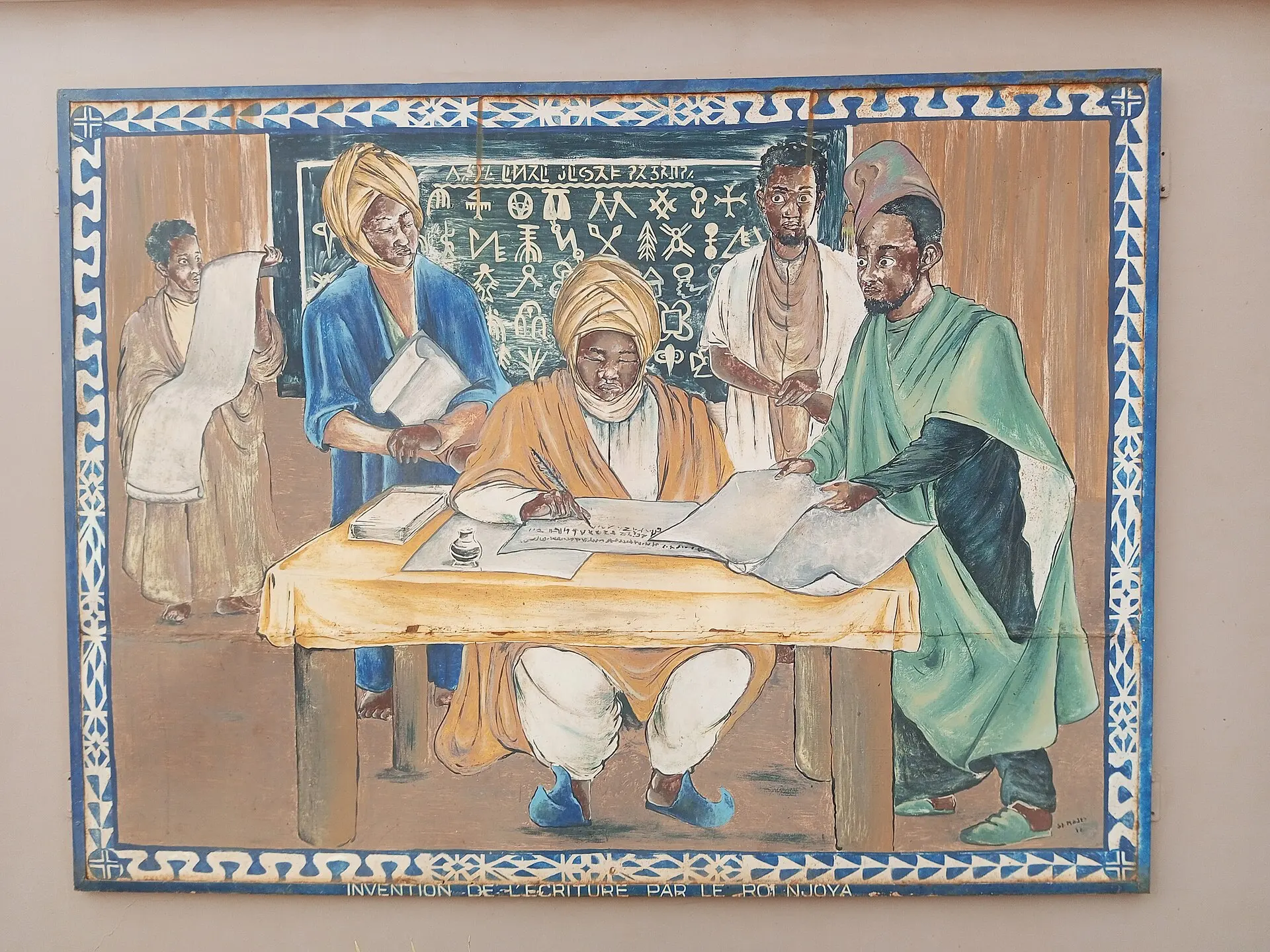
The most famous ruler was Ibrahim Njoya (reigned c. 1886–1933). A tireless innovator, he created a script for the Bamoun language around 1896, which evolved into the syllabary later called A-ka-u-ku; founded schools; commissioned a history of his people and a map of the kingdom; and designed the palace built from 1917. The French colonial administration deposed him in 1931; he died in exile in Yaoundé in 1933.
Book tours in FoumbanLive times, prices and free cancellation terms on GetYourGuide.
Check availabilityThe Sultan's Palace
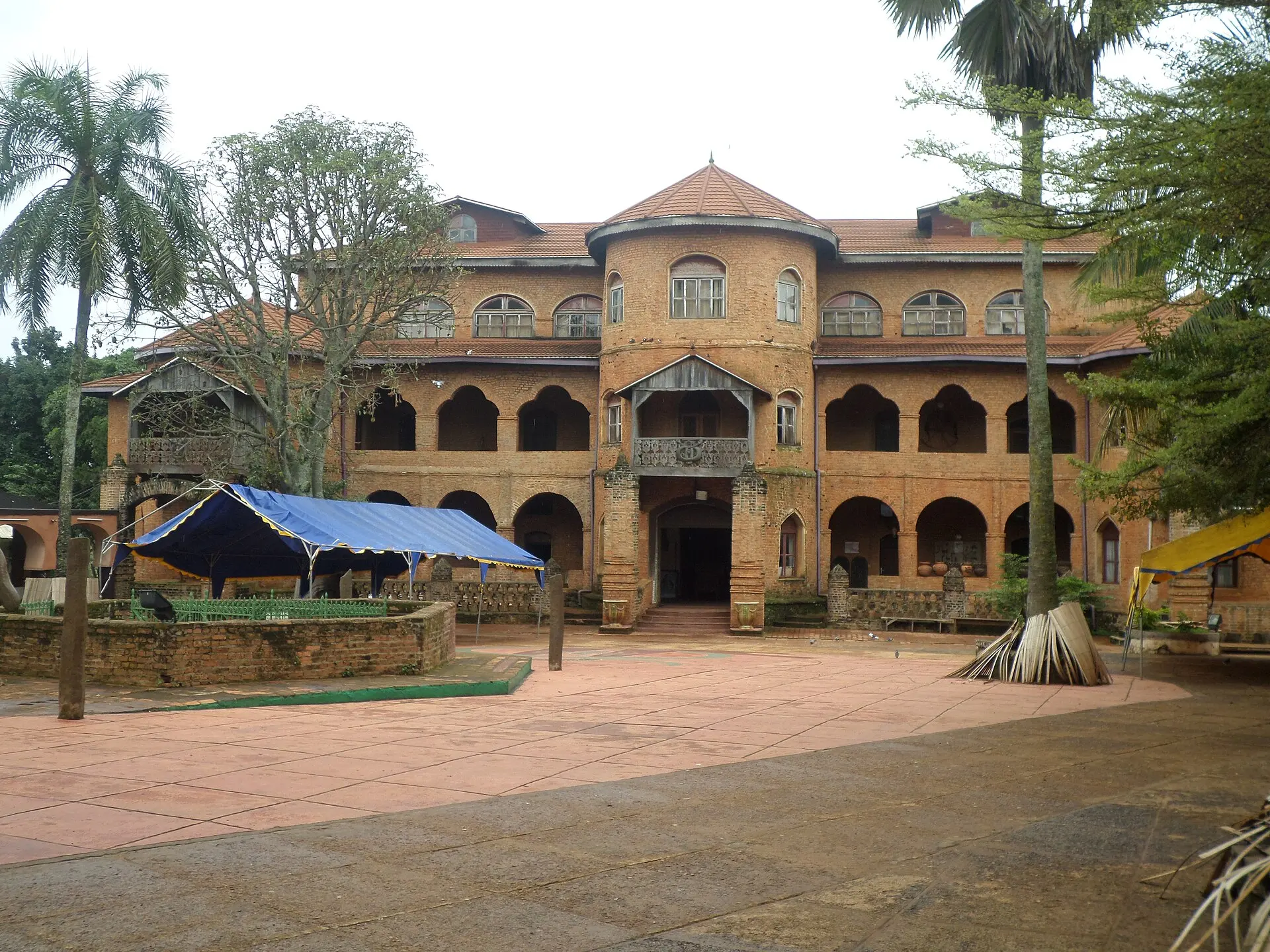
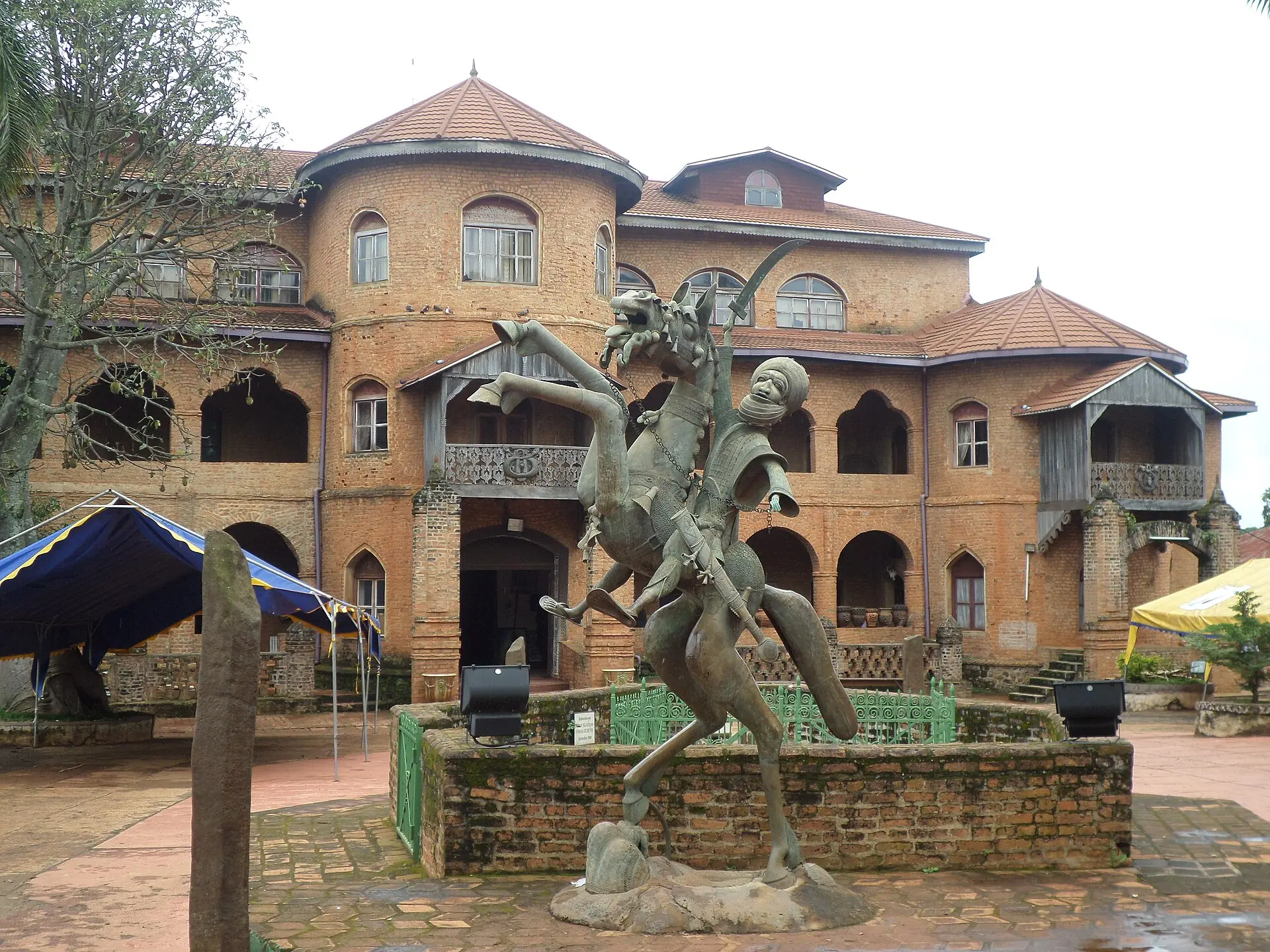
The three-storey brick palace, inspired partly by German colonial architecture Njoya had seen in Buea, stands at the head of a large square where ceremonies take place. Guided visits of parts of the palace show the throne room and historical exhibits; some areas are reserved. In front, the warrior monument and the great drum recall the kingdom's military past. Dress modestly, follow the guide, and ask before photographing people — especially notables in ceremonial dress.
The Museum of the Bamoun Kings
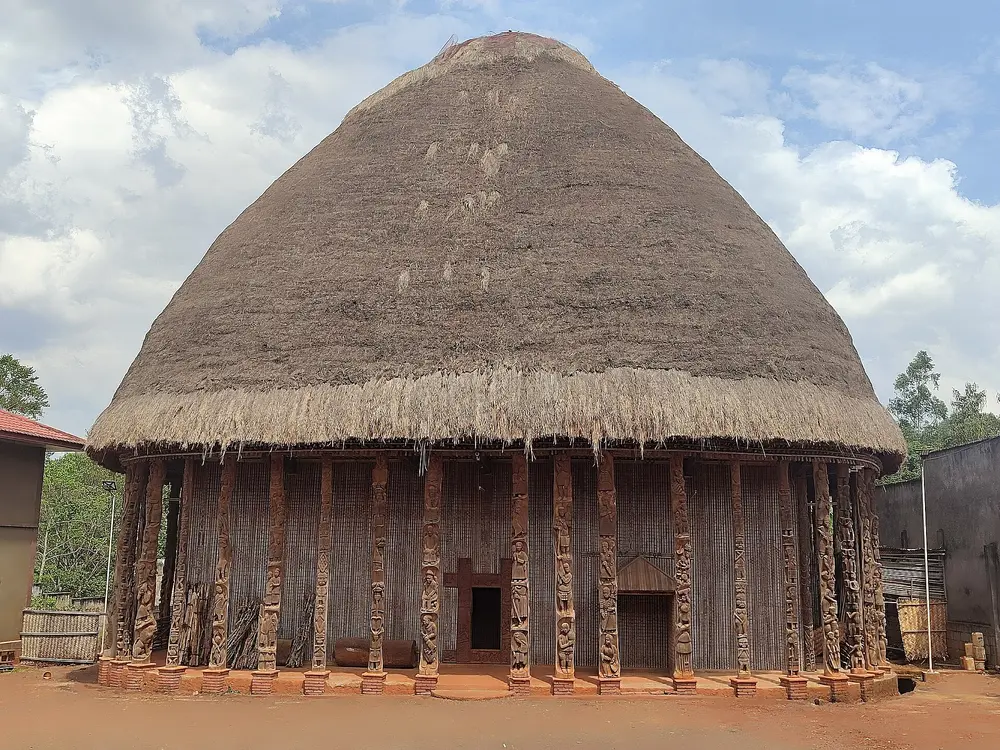
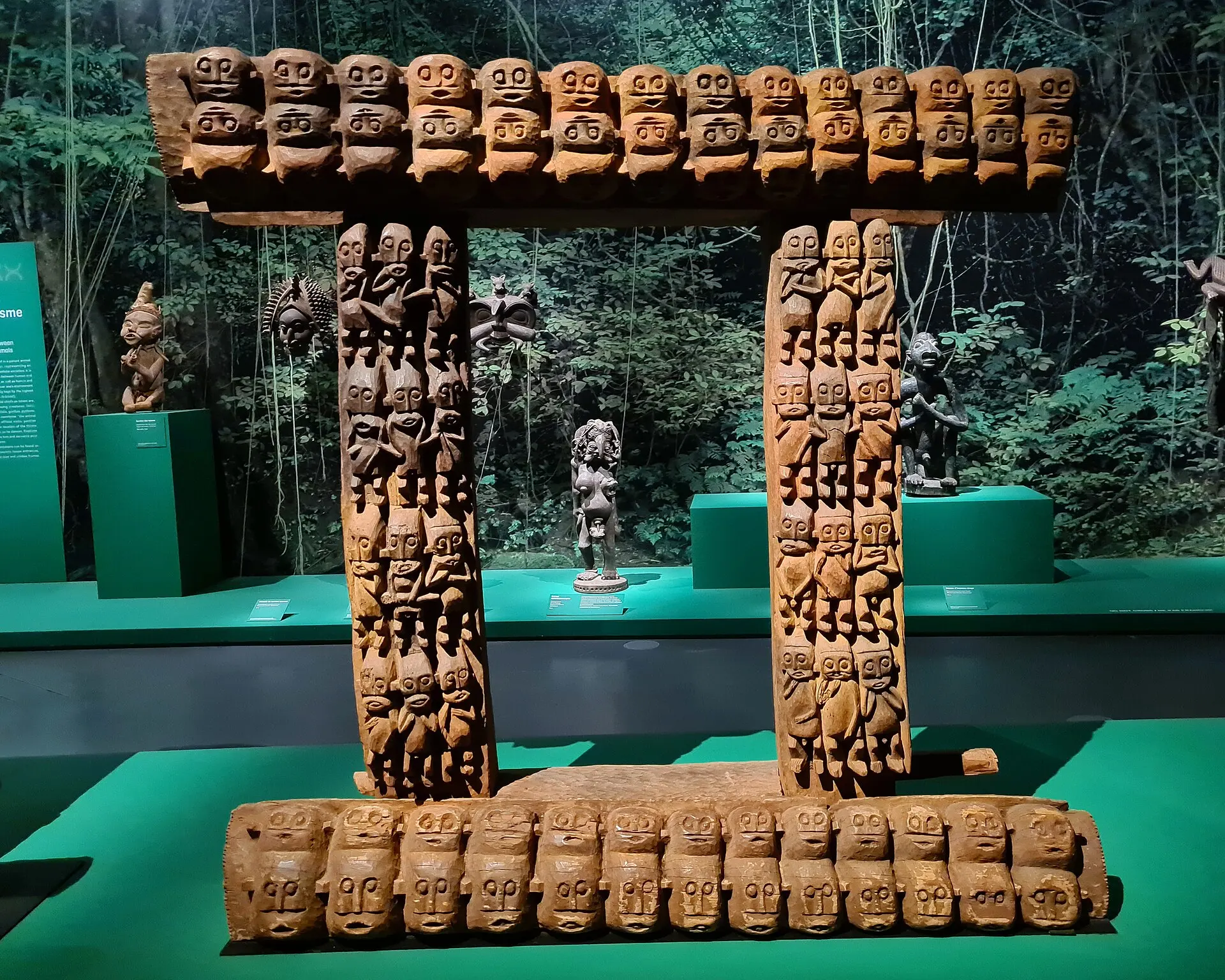
Inaugurated in April 2024 next to the palace, the Musée des Rois Bamoun is one of the most striking buildings in Cameroon: its architecture incorporates the dynasty's emblems, the two-headed serpent and the spider, symbols of the kingdom's strength and wisdom. Inside are thrones covered in beads and cowries, royal costumes, weapons, musical instruments, manuscripts in Njoya's script and the history of the eighteen-plus reigns. Allow two hours; guided visits in French and often English.
The artisans' street
Foumban's artists once worked for the court; today the rue des Artisans is lined with workshops where you can watch lost-wax bronze casting, wood carving and beadwork. Pieces range from small brass figures to full-size carved doors. Buy directly from workshops when possible, take your time and bargain courteously. The Village des Artisans and the town market are also worth a look.
Nguon: the festival of the people and the king
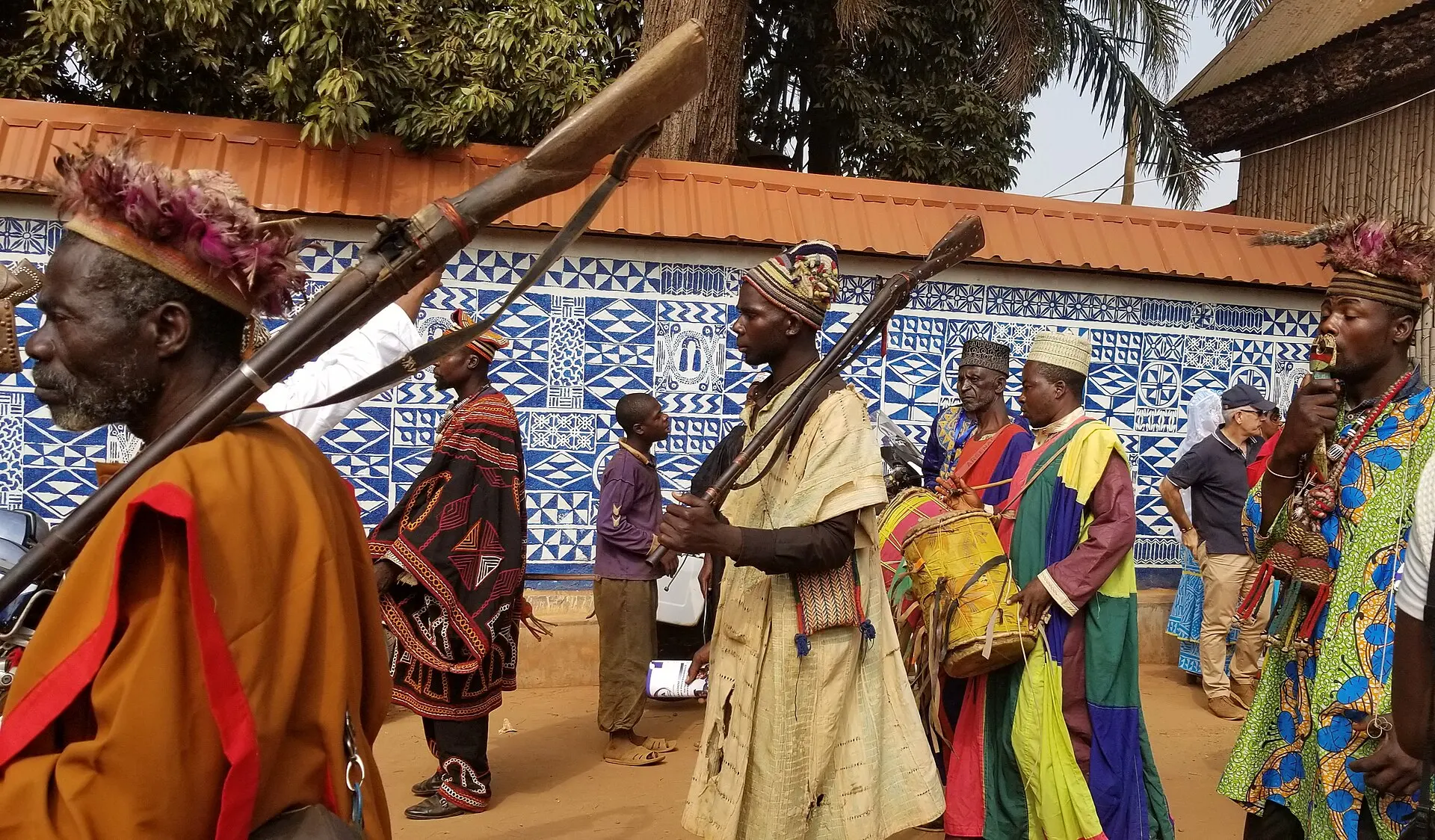
The Nguon is a Bamoun ritual and festival during which the people, through their notables, evaluate the sultan's governance and the sultan renews his commitment; it ends in great public celebrations. UNESCO inscribed it on its Representative List of intangible cultural heritage in 2023. Editions are held in December in festival years, not every year — confirm the dates before travelling. See events.
Practicalities and current advice
Foumban has ATMs, simple hotels, restaurants and a busy market. Most visitors come on a day trip from Bafoussam or stay one night. The UK and US do not list travel restrictions for the West Region outside border areas. France's November 2026 advice places in orange ('déconseillé sauf raison impérative') the area within 20 km of Lake Bamendjing, north of Foumban (including the Petpenoun lodge area), the West Region's borders with the North-West, and the D66 road between Kouomboum and Kouhouat. Keep to the main Bafoussam–Foumban road and travel by day.
Getting to Foumban
Foumban is about 70 km (1.5 hours) north-east of Bafoussam on a good paved road. From Yaoundé allow 5–6 hours via Bafia and Bafoussam; from Douala, 5.5–6.5 hours via Nkongsamba and Bafoussam. Coaches link both cities with Bafoussam several times a day, and some companies run direct to Foumban; minibuses cover Bafoussam–Foumban when full. Most visitors come with a car and driver as part of a circuit of the West. See getting to Foumban.
Foumban in one day
- Morning: Sultan's Palace and royal square with a palace guide.
- Late morning: Museum of the Bamoun Kings (allow 1.5–2 hours).
- Lunch: a simple restaurant near the market.
- Afternoon: artisans' street — watch lost-wax bronze casting and woodcarving; market.
- Evening: overnight in Foumban, or drive back to Bafoussam (1.5 h) before dark.
How long to stay
One full day covers the palace, the museum and the artisans' street; a second day lets you visit nearby villages or combine with the chiefdoms around Bafoussam and Bandjoun. See Dschang & Bafoussam.
Who Foumban suits
- History and art lovers: one of sub-Saharan Africa's great royal collections, a palace still in use and a living craft tradition.
- Craft buyers: bronzes, carvings and beadwork direct from the workshops.
- Festival travellers: the Nguon, when it is held, is one of Cameroon's great spectacles — plan months ahead.
- Travellers short on time: a day trip from Bafoussam covers the essentials.
Money and costs
The palace and the museum charge entry fees, payable in cash at the official desks; guides are usually included or tipped separately, and photography rules (and sometimes fees) are set at each site. Foumban has ATMs, but they can be out of service — bring enough cash from Bafoussam or Yaoundé for fees, crafts and meals. Crafts are priced by negotiation: a small bronze figure costs far less than a carved door, and shipping large pieces home is expensive.
King Njoya's script
Njoya's script is one of the few writing systems invented in sub-Saharan Africa in modern times. It began around 1896 as a set of several hundred pictographic and ideographic signs and was simplified over successive versions into a syllabary of about 80 signs, later called A-ka-u-ku after its first characters. Njoya used it for court records, a history of the kingdom, a book of medicine and a religious text, and schools taught it until the colonial administration discouraged it. Manuscripts survive in the palace archives and museums, and there are modern efforts to revive and digitise the script.
Plan your visit to Foumban
- Things to doA one-day plan for Foumban: the Sultan's Palace, the Museum of the Bamoun Kings, the…
- Guides & toursOfficial guides at the palace and museum, workshop visits on the artisans' street and…
- Getting thereFoumban is 70 km from Bafoussam on a good road. From Douala or Yaoundé, allow 5–6 hours…
- Where to stayFoumban has a handful of simple hotels; many travellers base themselves in Bafoussam,…
- When to goThe dry season from November to February is best for the Western Highlands; time a trip…
Frequently asked questions
What is Foumban known for?
The Bamoun sultanate: the Sultan's Palace, the Museum of the Bamoun Kings, King Njoya's script and its bronze and wood artisans.
How do I get to Foumban?
By road from Bafoussam (≈ 70 km, 1.5 h), or directly from Douala or Yaoundé in about 5–6 hours.
Is Foumban safe to visit?
Foumban itself is not under UK or US travel restrictions. France advises against non-essential travel around Lake Bamendjing (incl. Petpenoun) north of the town and on the D66 Kouomboum–Kouhouat.
When did the Museum of the Bamoun Kings open?
It was inaugurated in April 2024 beside the Sultan's Palace in Foumban.
How far is Foumban from Yaoundé?
About 300 km — 5–6 hours by road via Bafia and Bafoussam.
Sources and official information
Facts were checked against these official and primary sources in November 2026. Security advice, visa rules, prices and timetables change, so confirm before you go.
VisitCameroon.com is an independent guide, not the official site of the Ministry of Tourism and Leisure (MINTOUL), the Government of Cameroon or any operator. Some links are affiliate links: hotels go to Booking.com and tours to GetYourGuide, and we may earn a commission at no extra cost to you.