In short
- Ngondo (Sawa peoples, Douala): 5–6 December 2026 according to Cameroon Tribune; UNESCO intangible heritage since 2024.
- Nguon (Bamoun, Foumban): rites of governance inscribed by UNESCO in 2023; held in December in festival years — confirm the edition before travelling.
- National Day, 20 May: parades everywhere; Youth Day, 11 February.
- Muslim holidays (Eid al-Fitr, Eid al-Adha) move each year; 2027 dates are provisional.
- Book hotels early around Christmas, New Year and big festivals.
Public holidays 2026–2027
Banks, ministries and many shops close on public holidays; transport is busy around them. Muslim holidays depend on the sighting of the moon and are confirmed shortly beforehand.
| Holiday | 2026 | 2027 |
|---|---|---|
| New Year's Day | Thu 1 January | Fri 1 January |
| Youth Day | Wed 11 February | Thu 11 February |
| Eid al-Fitr (Djoulde Soumaé) | Fri 20 March | ≈ Wed 10 March |
| Good Friday | Fri 3 April | Fri 26 March |
| Labour Day | Fri 1 May | Sat 1 May |
| Ascension Day | Thu 14 May | Thu 6 May |
| National Day | Wed 20 May | Thu 20 May |
| Eid al-Adha (Tabaski / Djoulde Kora) | Wed 27 May | ≈ Mon 17 May |
| Assumption Day | Sat 15 August | Sun 15 August (observed Mon 16) |
| Christmas Day | Fri 25 December | Sat 25 December |
Calendar at a glance
| Month | What's on | Where |
|---|---|---|
| January | New Year; dry-season funerals and chiefdom festivals | Everywhere; the West |
| February | Youth Day (11 Feb) | Every town |
| March–April | Easter; Eid al-Fitr in 2026–27 (dates by the moon) | Everywhere; Foumban and the north |
| May | Labour Day (1 May); National Day (20 May) | Parades in Yaoundé and every town |
| August | Assumption (15 Aug); school holidays | Kribi busy with domestic visitors |
| November–December | Festival season begins; Ngondo (5–6 Dec 2026); Nguon in festival years | Douala; Foumban; the West |
| December | Christmas; New Year preparations | Kribi and the West busy |
Ngondo: the water festival of the Sawa
The Ngondo is the great annual gathering of the Sawa (coastal) peoples — the Duala and their neighbours — on the banks of the Wouri in Douala. Its heart is a ritual in which an initiate dives into the river to consult the ancestral water spirits (miengu) and returns with a message for the year; around it are pirogue races, wrestling, beauty contests and concerts. UNESCO inscribed 'Ngondo, worship of water oracles and associated cultural traditions among the Sawa' on its Representative List of intangible heritage in 2024.
The 2026 edition is announced for 5–6 December 2026 (Cameroon Tribune). The main events take place on the Wouri waterfront; crowds are large — keep valuables safe and go with a local companion.
Nguon: the Bamoun festival of governance
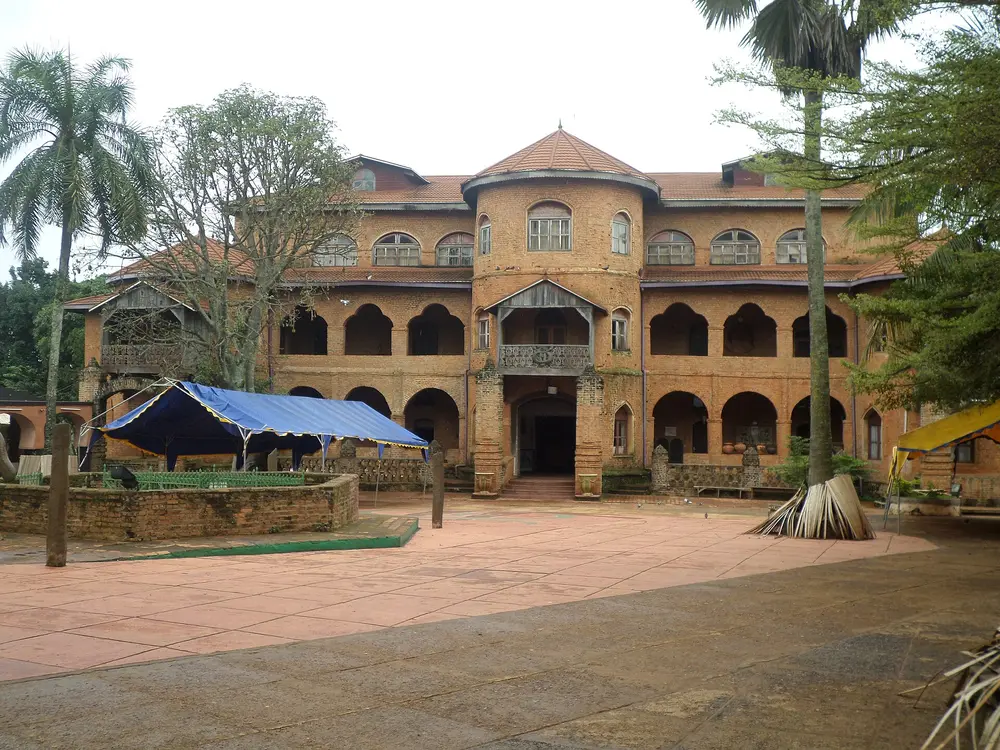
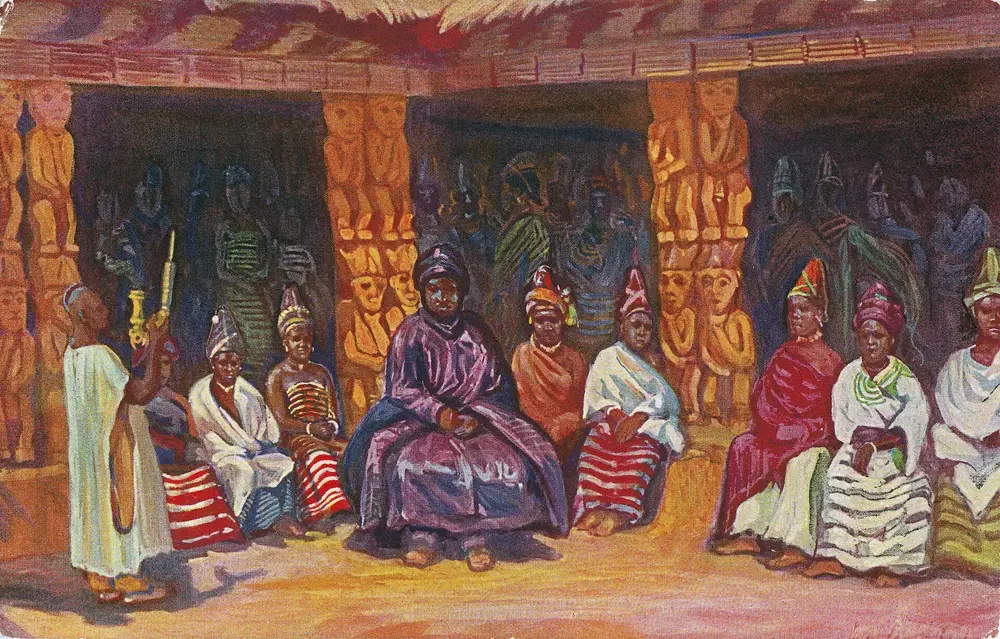
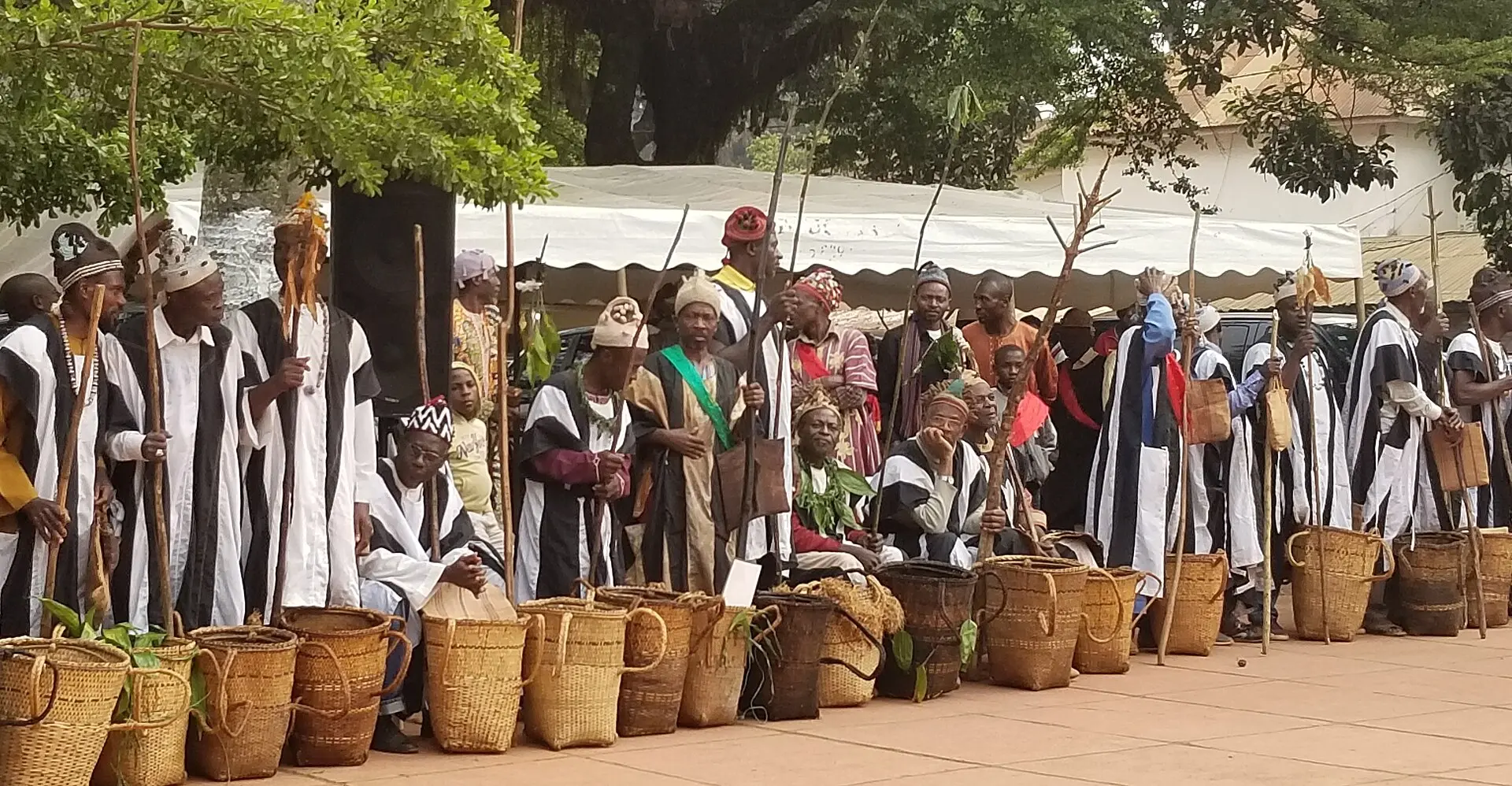
In Foumban, the Nguon brings together the Bamoun people and their sultan in rites through which the people publicly assess the king's governance — a tradition reaching back to the dynasty's early centuries. UNESCO inscribed 'Nguon, rituals of governance and associated expressions in the Bamoun community' in 2023. Festival days include processions of notables in ceremonial dress, music and the sultan's appearance before his people. Editions have usually been held in December, with intervals between them; confirm the dates of the next edition locally before planning a trip around it, and note France's advice for the area around Lake Bamendjing north of Foumban.
Chiefdom festivals, funerals and dances in the West
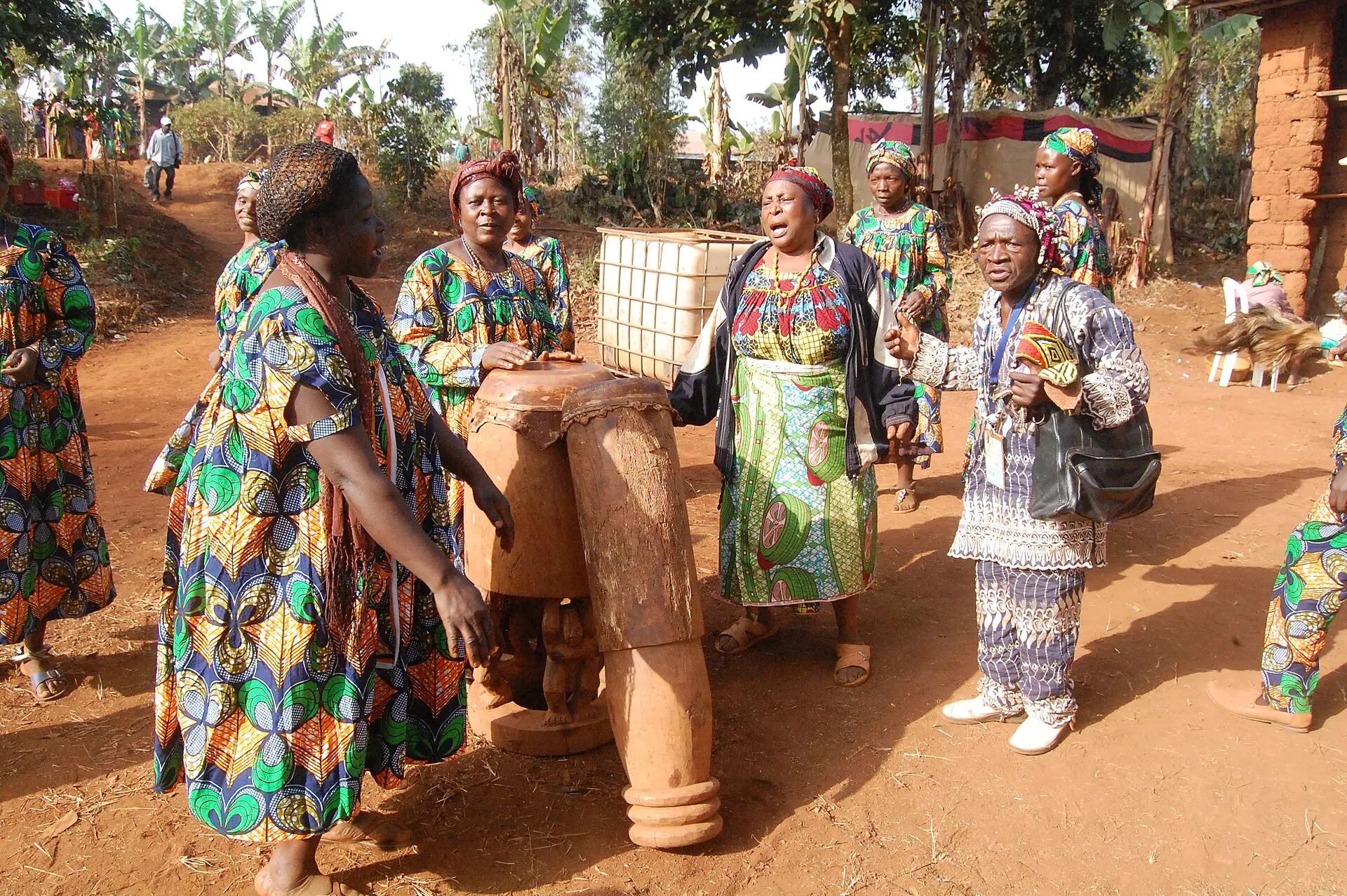
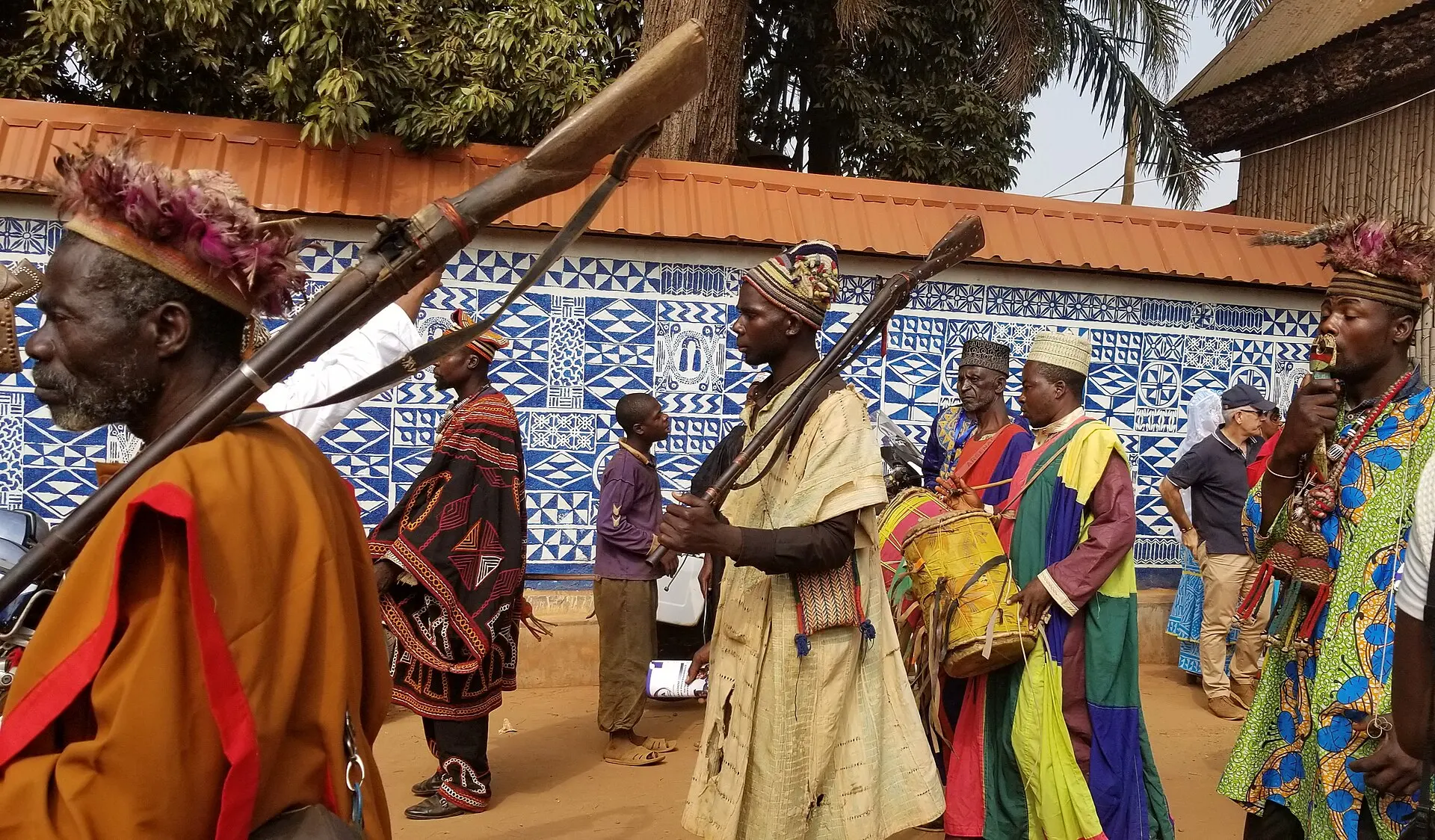
Across the Bamileke highlands, the dry season (November–February) is the time of funerals (celebrations of the departed that can last days), enthronements and chiefdom festivals such as the Medumba festival of Bangangté or the cultural weeks of individual chefferies. Masks, dance societies and xylophone and drum ensembles appear in public. Visitors are often welcome, but only with an invitation or a local guide; ask before photographing.
Etiquette at festivals and funerals
- Go with a local host or guide, and arrive when they suggest — ceremonies run on their own time.
- Dress smartly and modestly; at funerals in the West, guests often wear matching fabric chosen by the family, which your host can help you find.
- Bring a contribution or gift if invited to a family event; ask your host what is appropriate.
- Ask before photographing masks, notables and rituals — some objects and dances may not be photographed at all.
- Never touch masks, regalia or sacred objects, and keep out of areas reserved for initiates.
- In crowds, keep valuables hidden and agree a meeting point.
National celebrations
- 11 February — Youth Day: marches by schools and youth groups in every town.
- 20 May — National Day (Unity Day): commemorates the 1972 referendum that created the unitary state; military and civilian parades, especially on Boulevard du 20 Mai in Yaoundé.
- February — Mount Cameroon Race of Hope: a famous mountain race up and down the volcano from Buea — currently in an area under 'against all travel' advice from the UK and 'do not travel' from the US.
- Christmas and New Year: church services, family reunions and the busiest travel period of the year.
Other intangible heritage
UNESCO added two more Cameroonian traditions to its Representative List in 2025: the Mvet Oyeng epic poetry and music of the Ekang (Fang-Beti) community of the south, performed with the mvet harp-zither, and the Guruna pastoral retreats of the Massa people of the Far North.
How Cameroonians celebrate
Celebrations — weddings, birthdays, graduations, funerals — are social events that bring families and villages together, with music, dancing, food and often matching outfits. Christmas and New Year are the high points of the year, when city dwellers return to their villages; Islamic feasts are celebrated with prayers, visits and shared meals. Visitors invited to join are treated generously; reciprocate with a small gift and your time.
Sports events
Football dominates: international matches of the Indomitable Lions and big club games fill bars and stadiums in Douala and Yaoundé. The famous Mount Cameroon Race of Hope, run up and down the volcano from Buea each February, takes place in an area currently under 'against all travel' advice from the UK; we don't recommend travelling to watch it. Check local media for other races and tournaments.
Religious festivals
Cameroon is religiously diverse, and both Christian and Muslim feasts are public holidays. Christmas and Easter bring church services, family gatherings and full coaches; Eid al-Fitr (Djoulde Soumaé) and Eid al-Adha (Tabaski) are celebrated with prayers and processions, most visibly in Foumban and the north. Visitors are welcome to watch respectfully from the side; dress modestly and ask before taking photos.
Planning around holidays
Public holidays mean closed banks and ministries and busy roads before and after. Around Christmas–New Year and Easter, hotels in Kribi and flights to Cameroon fill up; book early. During Ramadan (around 8 February–9 March 2027), Muslim regions such as Foumban keep a different daily rhythm. On 20 May, roads in town centres close for parades. Festival dates are often announced only a few weeks in advance — follow local media such as Cameroon Tribune.
Planning a trip around a festival
Festival dates are often confirmed only weeks in advance by the organisers, the palace or the traditional authorities, and announced in Cameroon Tribune and local media. Build flexibility into your plans: book refundable accommodation, keep a buffer day, and ask a licensed agency or your hotel to confirm dates. For the Ngondo in Douala, stay in Bonanjo or Akwa; for the Nguon in Foumban, book rooms months ahead or stay in Bafoussam.
Music and arts festivals
Cameroon's cities host a steady calendar of concerts, film festivals and art events — for example the Écrans Noirs film festival in Yaoundé and Doual'art's SUD urban-art triennial in Douala — but dates vary from year to year. Check the cultural institutes (Institut Français, Goethe-Institut) and local media for the current programme.
Frequently asked questions
When is the Ngondo festival in 2026?
Cameroon Tribune reports 5–6 December 2026, in Douala on the banks of the Wouri.
What is Cameroon's National Day?
20 May, marking the 1972 referendum that created the unitary state. Parades take place in every town, the largest in Yaoundé.
Is the Nguon festival held every year?
No — editions have been held at intervals, usually in December. Check the date of the next edition with the palace or a local agency before planning.
What are the public holidays in Cameroon in 2027?
Fixed holidays include 1 January, Youth Day on 11 February, Labour Day on 1 May, National Day on 20 May, Assumption on 15 August and Christmas Day, plus Good Friday, Ascension and the Islamic feasts, whose dates follow the moon.
Can tourists attend the Ngondo festival?
Yes. The public events on the Wouri waterfront in Douala are open to all; go with a local companion, keep valuables safe and respect the rituals.
Sources and official information
Facts were checked against these official and primary sources in November 2026. Security advice, visa rules, prices and timetables change, so confirm before you go.
VisitCameroon.com is an independent guide, not the official site of the Ministry of Tourism and Leisure (MINTOUL), the Government of Cameroon or any operator. Some links are affiliate links: hotels go to Booking.com and tours to GetYourGuide, and we may earn a commission at no extra cost to you.