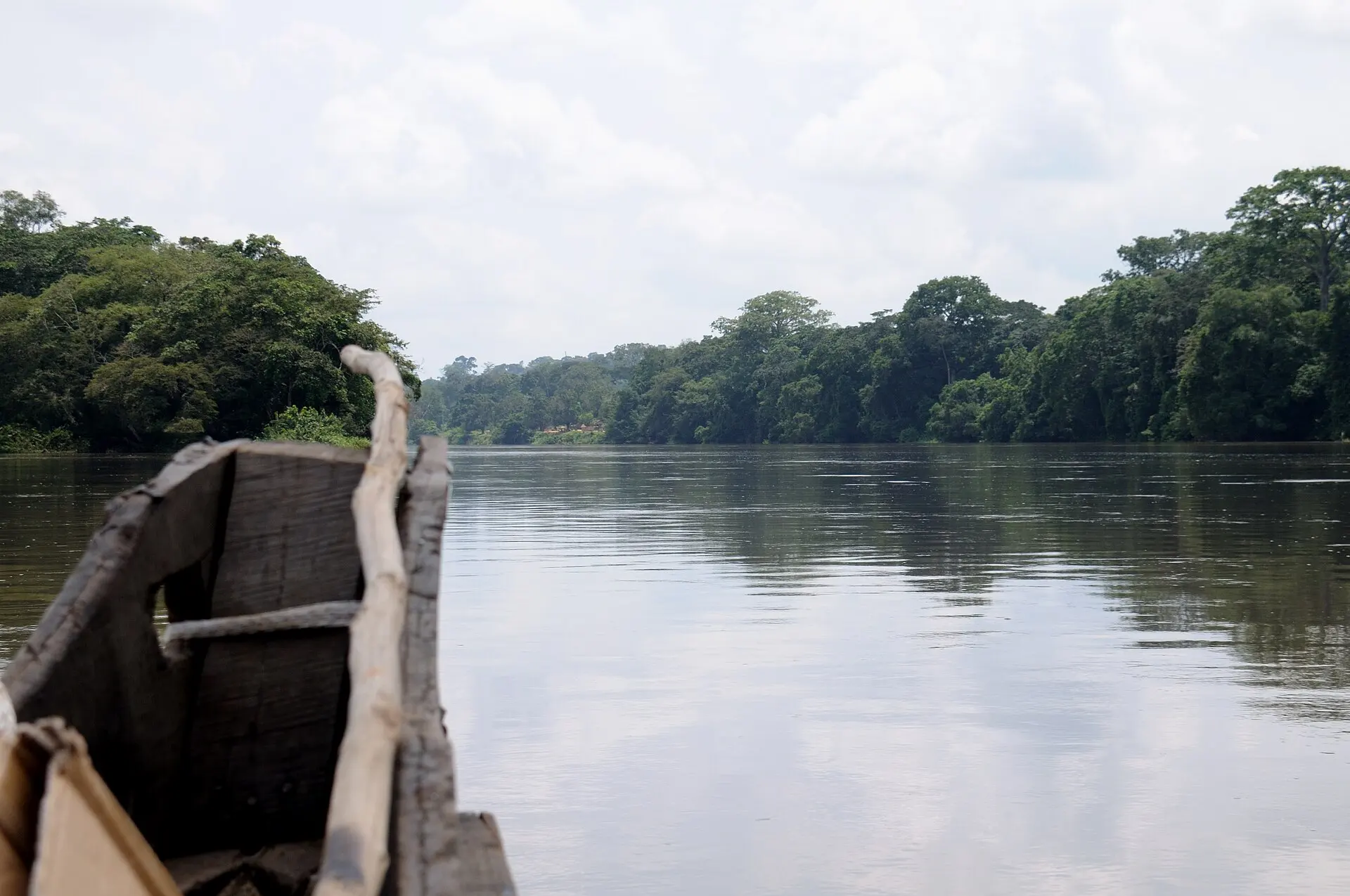
- Region
- East Region (Boumba-et-Ngoko)
- How long
- Not advised for leisure (Nov 2026)
- Area
- ≈ 2,180 km² (created 2001)
- UNESCO
- Sangha Trinational (2012)
- Gateway
- Yokadouma → Mambélé / Libongo
- UK advice
- Against all travel (within 40 km of CAR border)
In short
- What: ≈ 2,180 km² of rainforest on the Sangha River, created in 2001, part of the Sangha Trinational World Heritage site (2012) shared with the Central African Republic and the Republic of the Congo.
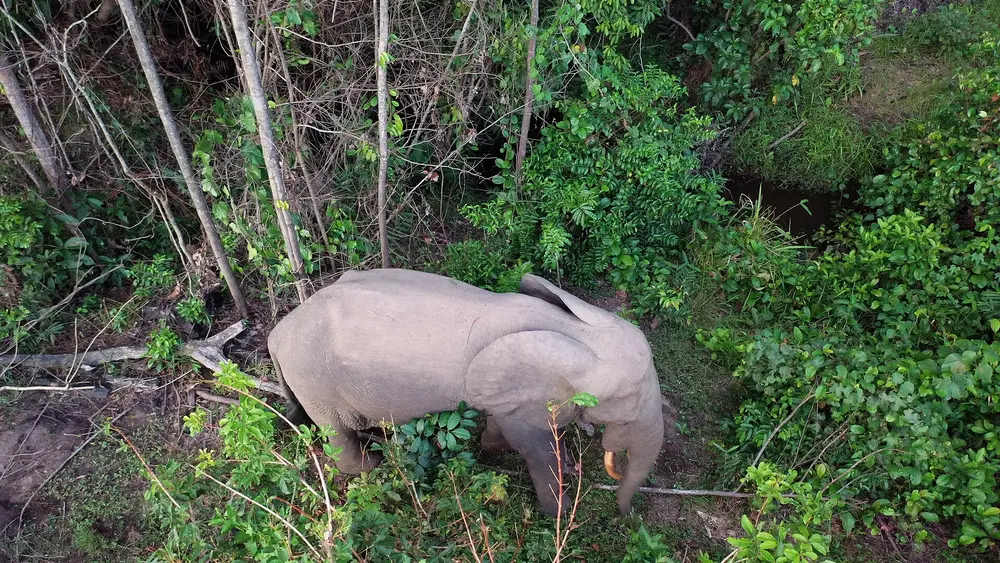
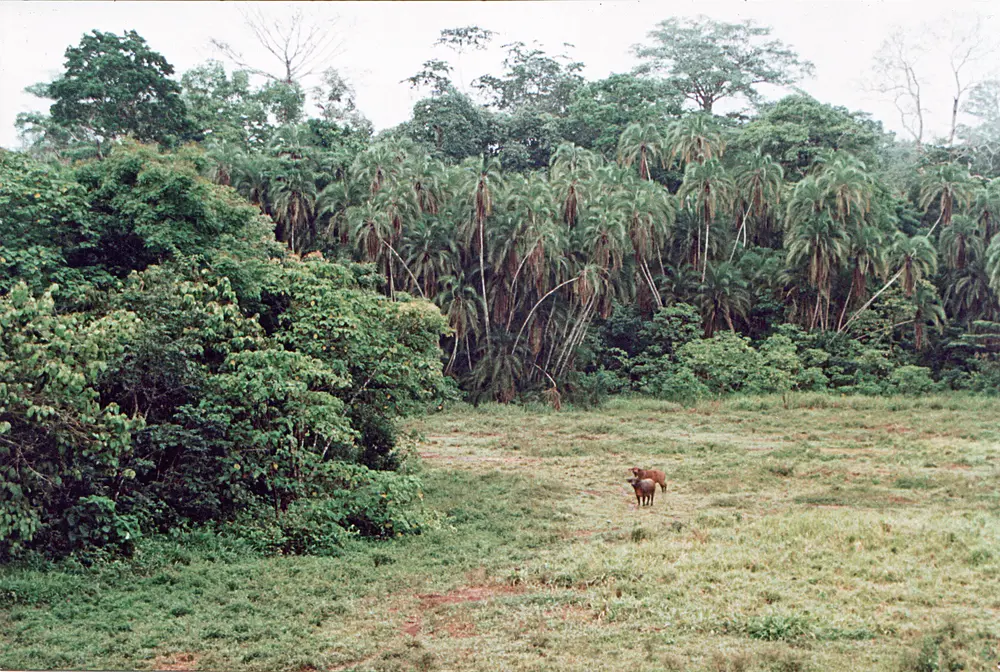
- Famous for: bais — forest clearings where forest elephants, western lowland gorillas, bongo, sitatunga and forest buffalo come to drink and feed — watched from platforms (miradors).
- Advice (November 2026): the UK advises against all travel within 40 km of the CAR border, which covers Lobéké; France requires a military escort on the Bertoua–Yokadouma road.
- This page is for background and future planning.
Read this first: the advice
- UK FCDO: against all travel within 40 km of the Central African Republic border — Lobéké National Park and the Libongo area lie within this zone.
- US State Department: do not travel within 20 km of the CAR border.
- France (MEAE): a 30 km red strip along the CAR border from Lake Chad to the south; the Bertoua–Yokadouma road crosses red zones and requires a military escort.
Kidnapping by armed groups and banditry have been reported in the East near the CAR border (FCDO). We therefore don't recommend leisure trips to Lobéké at present.
Guides & permits for LobékéWho to book, what licences to ask for and what it costs — our practical guide.
Read the guideA park of clearings
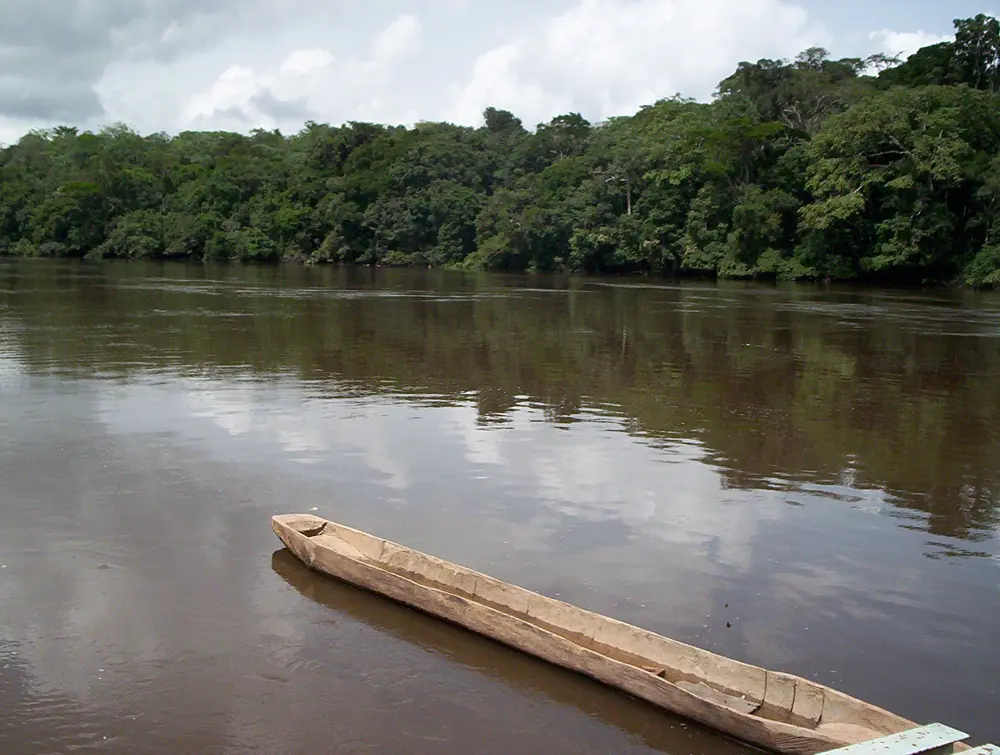
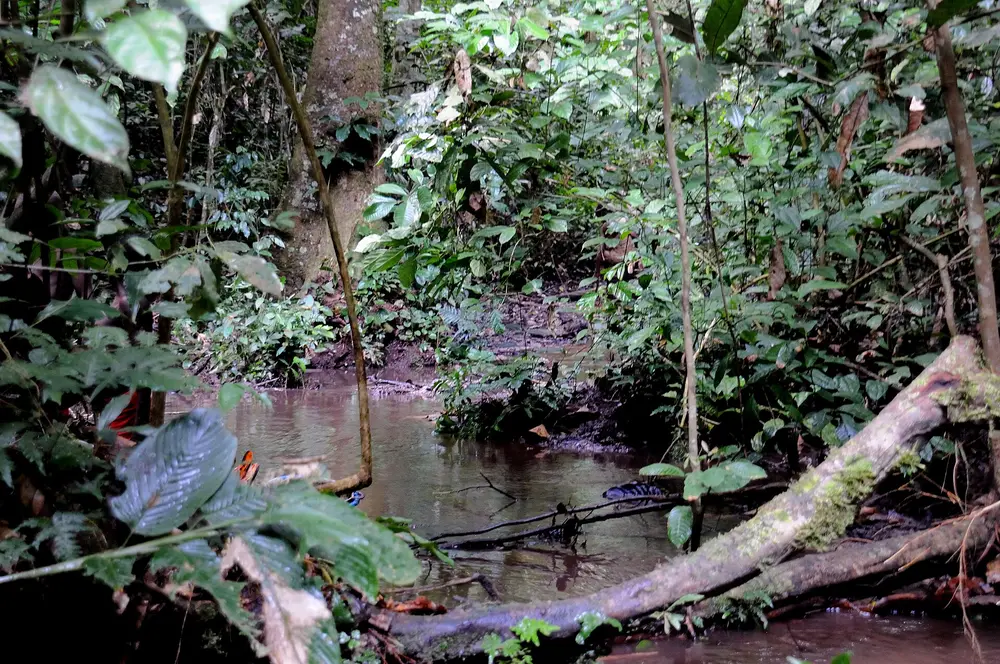
Lobéké protects lowland and semi-deciduous rainforest in the triangle where Cameroon, the Central African Republic and the Republic of the Congo meet along the Sangha River. Its special feature is the bais: natural clearings, often swampy and rich in minerals, where large mammals gather. From raised platforms (miradors) visitors have watched forest elephants digging for salts, western lowland gorillas feeding on aquatic plants, the shy striped bongo, sitatunga antelopes, forest buffalo and grey parrots. Classic sites include the Djangui and Petite Savane bais.
Created in 2001 and managed by the Ministry of Forestry and Wildlife with partners such as WWF, the park joined Dzanga-Sangha (CAR) and Nouabalé-Ndoki (Congo) in the Sangha Trinational, inscribed by UNESCO in 2012 as one of the Congo Basin's most intact forest landscapes.
People of the forest
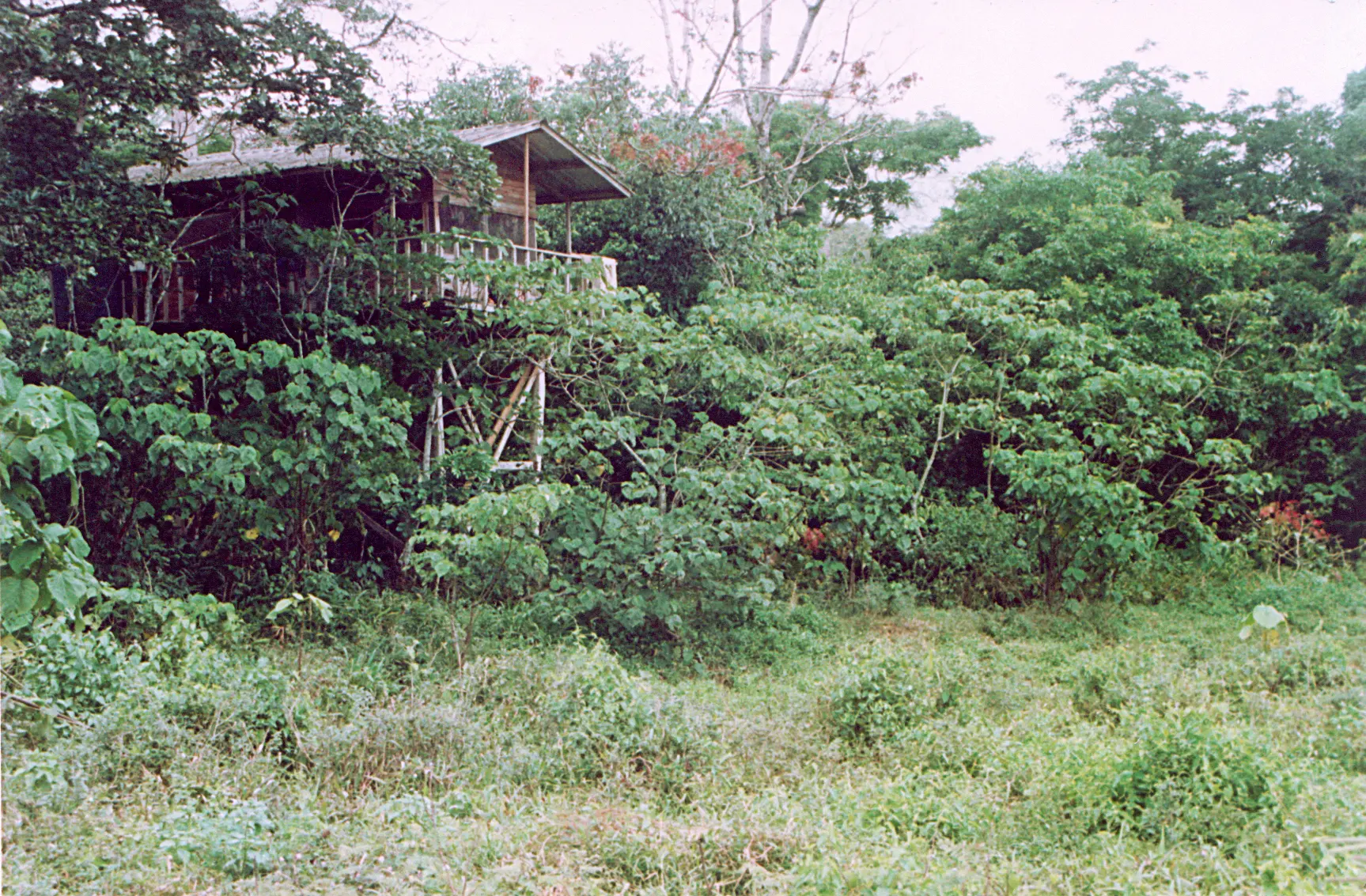
The region is home to Baka communities and Bantu farming villages, many of whom depend on the forest. Logging concessions surround the park; logging trucks on the Yokadouma road are the most common traffic. Conservation programmes have worked with communities on rights of access, anti-poaching and community hunting zones.
How visits worked — and what would need to change
Before the security situation deteriorated, visitors reached Lobéké from Yaoundé via Bertoua and Yokadouma (two long days by 4×4), registered at the park headquarters at Mambélé near Libongo, and spent several days walking to bais with eco-guards and Baka trackers, camping or using simple park facilities. For tourism to resume, the border-zone advice would need to be relaxed and the road from Bertoua to Yokadouma secured. Until then, the Dja Faunal Reserve offers a comparable rainforest experience outside advised-against zones.
Plan your visit to Lobéké
- Things to doWhat made Lobéké famous among naturalists: bai watching from miradors, forest walks…
- Guides & toursWhy we don't list Lobéké expeditions while border-zone advice applies, and which…
- Getting thereTwo long days by 4×4 from Yaoundé via Bertoua and Yokadouma — a road France says…
- Where to staySimple park facilities and camping, basic hotels in Yokadouma and Bertoua — for…
- When to goDry months — December to February and July–August — bring easier roads and busy bais,…
Frequently asked questions
Can I visit Lobéké National Park now?
The UK advises against all travel within 40 km of the CAR border, which includes Lobéké, and France requires a military escort on the access road (November 2026). We don't recommend leisure visits at present.
What is a bai?
A natural forest clearing, often swampy and mineral-rich, where elephants, gorillas and antelopes gather — ideal for wildlife viewing from platforms.
Is Lobéké a UNESCO site?
Yes, as part of the Sangha Trinational, inscribed in 2012 with parks in the Central African Republic and the Republic of the Congo.
Sources and official information
Facts were checked against these official and primary sources in November 2026. Security advice, visa rules, prices and timetables change, so confirm before you go.
VisitCameroon.com is an independent guide, not the official site of the Ministry of Tourism and Leisure (MINTOUL), the Government of Cameroon or any operator. Some links are affiliate links: hotels go to Booking.com and tours to GetYourGuide, and we may earn a commission at no extra cost to you.