- Region
- East & South Regions
- How long
- 4–6 days incl. travel
- UNESCO
- World Heritage since 1987
- Area
- ≈ 5,260 km²
- Gateways
- Somalomo (north), Lomié (east)
- From Yaoundé
- ≈ 5–7 h by 4×4
In short
- What: a UNESCO World Heritage site since 1987, ≈ 5,260 km² of lowland rainforest, two-thirds enclosed by a loop of the Dja River.
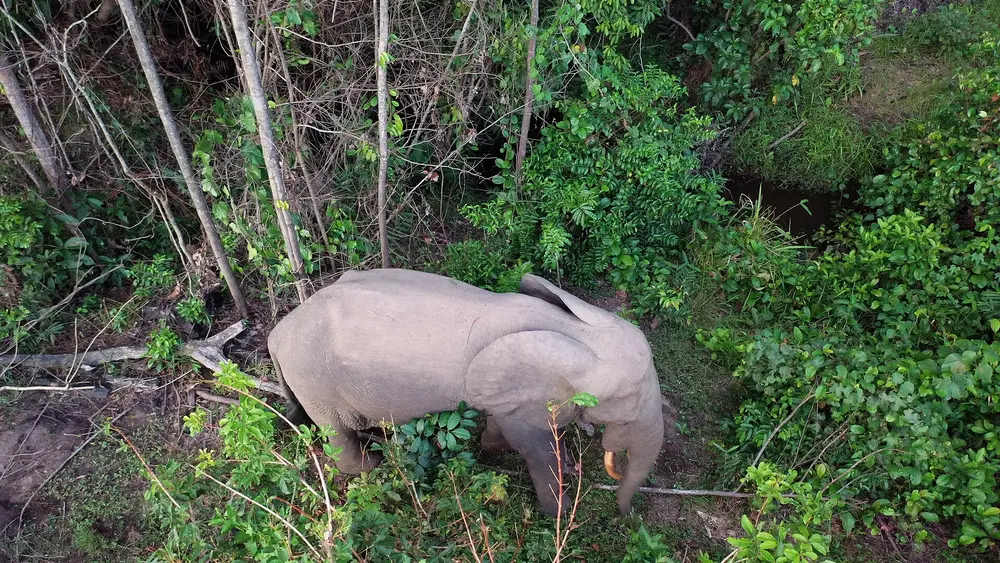
- Wildlife: western lowland gorillas, chimpanzees, forest elephants, mandrills and other primates, pangolins, over 1,500 plant species — rarely easy to see.
- Access: from Yaoundé via Somalomo (north) or Lomié (east), 5–7 h by road, then on foot or by pirogue.
- How long: 4–6 days including travel; go with a specialist operator.
- Advice: not under UK/US restrictions; remote, with very basic facilities.
Why the Dja matters
Inscribed by UNESCO in 1987, the Dja Faunal Reserve is one of the largest and best-protected rainforests in Africa. The Dja River forms a natural boundary around most of it, which helped keep it remarkably intact. UNESCO notes its outstanding biodiversity and the wide range of primates — among them western lowland gorillas and chimpanzees — along with forest elephants, buffalo, leopards and a rich birdlife. Threats include poaching, logging and mining pressures around the reserve, and the site has been the subject of repeated conservation monitoring by UNESCO.
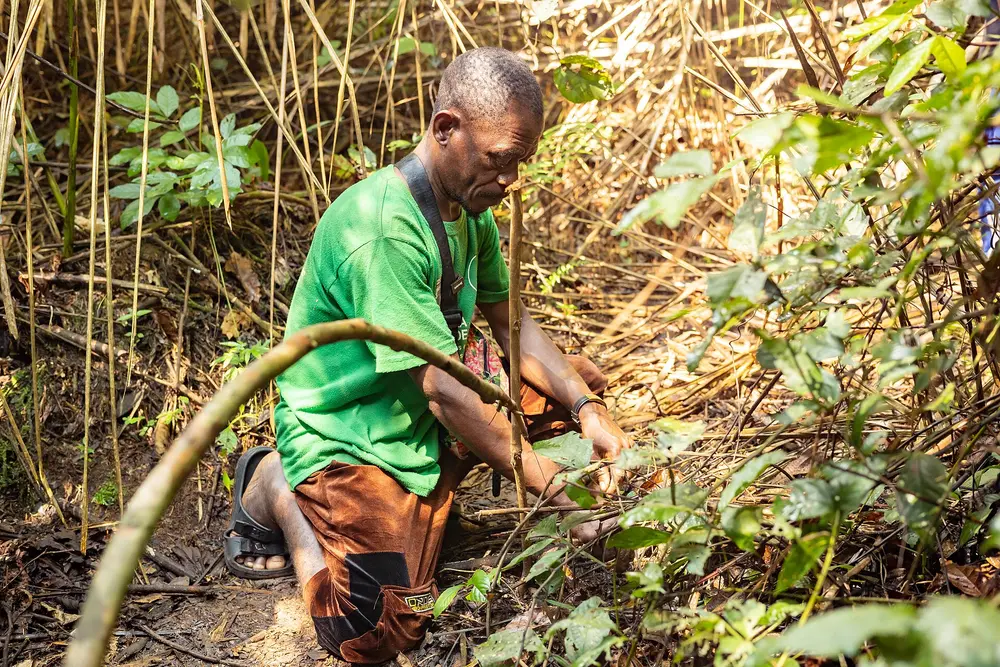
The reserve is also home and hunting ground to Baka communities, forest people whose knowledge of plants, animals and paths is extraordinary, and whose rights within the protected area are an ongoing conservation issue. Visiting with Baka guides, arranged fairly, is one of the most rewarding ways to experience the forest.
Book tours in Dja Faunal ReserveLive times, prices and free cancellation terms on GetYourGuide.
Check availabilityThe reserve in numbers
- Area: about 5,260 km² of lowland rainforest, almost entirely encircled by the Dja River.
- Status: faunal reserve since the colonial era; UNESCO biosphere reserve and, since 1987, a natural World Heritage Site.
- Location: straddling the East and South regions, roughly 250 km south-east of Yaoundé.
- Wildlife: over a hundred mammal species recorded, including western lowland gorillas, chimpanzees, forest elephants, mandrills and several colobus and guenon species; hundreds of bird species.
- People: Baka forest communities and Bantu farming villages live around and, in places, within the reserve.
What a visit is like
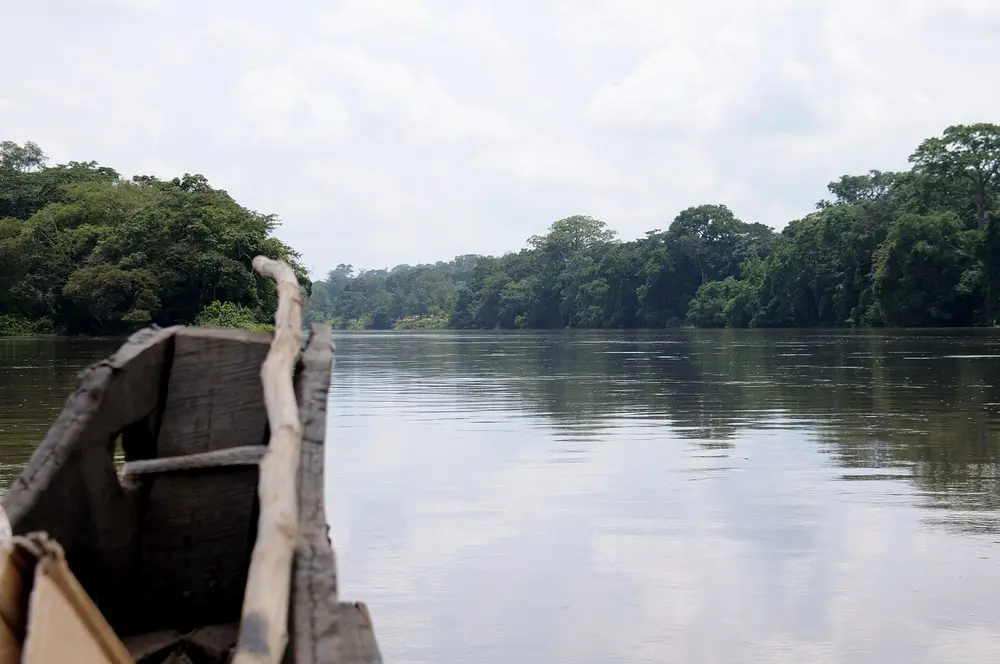
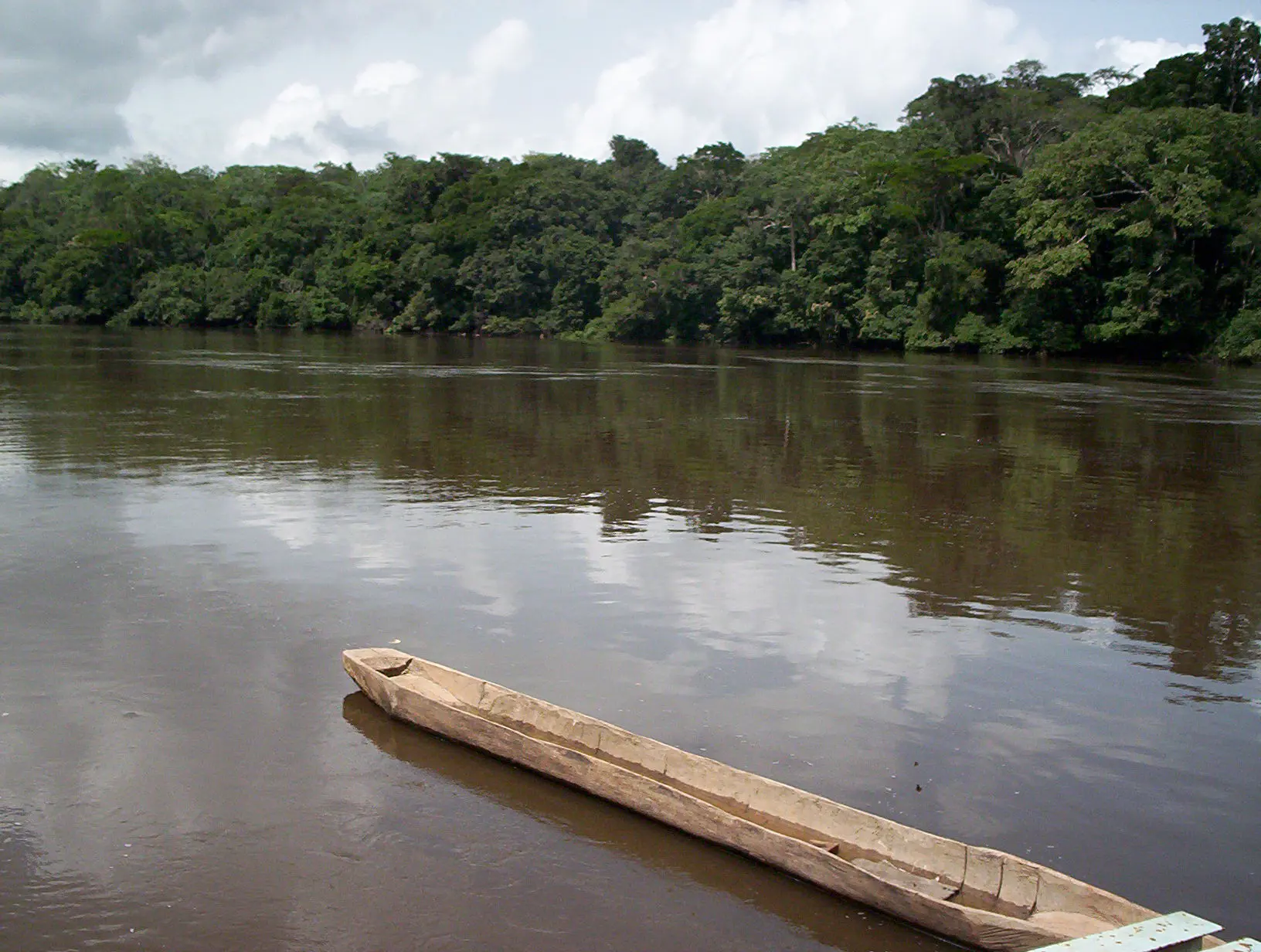
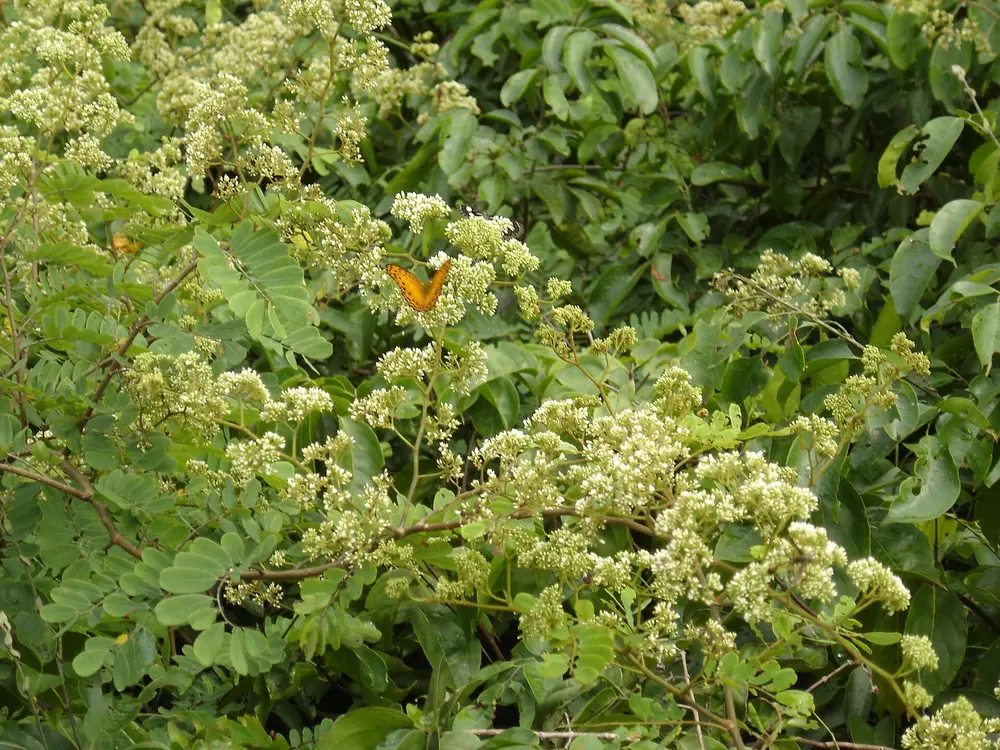
Forget lodges and game drives. A Dja trip means long drives on laterite roads, then days of walking on narrow forest trails, sometimes pirogue journeys on the river, nights in simple camps or village guesthouses, and the sounds of the forest — hornbills, colobus, chimpanzees calling in the distance. Dense vegetation means sightings of large mammals are rare and never guaranteed; you will learn to read tracks, nests and feeding signs. In return, you experience one of the planet's great forests with almost no other visitors.
Research stations have operated in the reserve, but there is no gorilla habituation for tourism comparable to Rwanda or Uganda.
A day in the forest
Days start before dawn, when the forest is coolest and most animals are active. After coffee in camp, you walk single file behind a Baka tracker and an eco-guard, stopping to listen — chimpanzee pant-hoots, the whoosh of hornbill wings, the bark of a duiker. By late morning the heat and humidity build; lunch is a break by a stream. Afternoons are for shorter walks, a pirogue on the Dja or resting in camp, and evenings for a meal around the fire and the night chorus of frogs and insects. Expect to walk 8–15 km a day on uneven, sometimes muddy trails.
The gateways: Somalomo and Lomié
Somalomo, on the northern edge of the reserve, has the conservation service post and is the classic starting point for walks and river trips from Yaoundé. Lomié, to the east, is a gateway for Baka-guided forest walks and community projects. Both are small towns with basic shops; bring everything you need. The conservation service of the Ministry of Forestry and Wildlife issues permits and assigns eco-guards.
Somalomo or Lomié?
| Classic routeSomalomo (north) | Lomié (east) | |
|---|---|---|
| Access from Yaoundé | ≈ 5–7 h | ≈ 6–8 h |
| River trips | ●●●●● | ●●●○○ |
| Baka cultural contact | ●●●○○ | ●●●●● |
| Infrastructure | ●●●○○ | ●●○○○ |
| Best for | First Dja trip, forest and river | Community-focused trips |
-
Somalomo (north)
Classic route- Access from Yaoundé
- ≈ 5–7 h
- River trips
- ●●●●●
- Baka cultural contact
- ●●●○○
- Infrastructure
- ●●●○○
- Best for
- First Dja trip, forest and river
-
Lomié (east)
- Access from Yaoundé
- ≈ 6–8 h
- River trips
- ●●●○○
- Baka cultural contact
- ●●●●●
- Infrastructure
- ●●○○○
- Best for
- Community-focused trips
Getting there and getting around
From Yaoundé, allow 5–7 hours to Somalomo via Akonolinga and Abong-Mbang, or a similar time to Lomié; the final sections are unpaved and can be very slow in the rains. A 4×4 with an experienced driver is essential. See getting there.
Is the Dja right for you?
The Dja suits travellers who value wilderness, silence and learning from forest people more than guaranteed sightings and comfort. If you want to see great apes for certain, combine Cameroon with the Mefou sanctuary, or consider countries with habituated-gorilla tourism. If you love forests, birds and expeditions, and you have at least four or five days, the Dja is one of Africa's most authentic rainforest experiences.
Responsible visiting
- Go with a licensed operator who pays communities and permits properly.
- Keep 7 m or more from any great ape and wear a mask if asked (primates catch human diseases).
- Never buy bushmeat or wildlife products.
- Ask before photographing people; agree fees with Baka guides fairly and in advance.
- Pack out all rubbish.
Pressures on the reserve
The Dja's isolation protected it for decades, but it is now under pressure. UNESCO's World Heritage Committee has repeatedly examined its state of conservation, with concerns including commercial poaching for bushmeat and ivory, logging and mining around the reserve, a hydroelectric dam at Mékin on the Dja River and agro-industrial plantations nearby. Visitors can't solve these problems, but well-run tourism adds a reason — and income — to keep the forest standing.
Practicalities and advice
The Dja is not under UK or US travel restrictions as of November 2026 (France places the area under heightened vigilance), but it is extremely remote: no mobile signal in the forest, medical help days away. Take full malaria precautions, a well-stocked first-aid kit and evacuation insurance. Bring cash for the whole trip.
Plan your visit to Dja Faunal Reserve
- Things to doMulti-day forest walks, pirogue journeys on the Dja, primate and bird watching, and…
- Guides & toursHow to organise a Dja expedition with a licensed operator, what permits and guides are…
- Getting thereFrom Yaoundé, 5–7 hours by 4×4 to Somalomo or Lomié; public transport exists but is…
- Where to stayForest camps and village guesthouses arranged by operators, simple hotels in gateway…
- When to goThe dry months — December to February and, to a lesser extent, July–August — make roads…
Frequently asked questions
Can you see gorillas in the Dja?
They live there, but sightings are rare in dense forest and there is no habituated-gorilla tourism. Go for the forest experience, not a guaranteed sighting.
When was the Dja Faunal Reserve listed by UNESCO?
In 1987, as a natural World Heritage site.
How do I visit the Dja?
With a specialist operator from Yaoundé, entering via Somalomo or Lomié, with permits from the conservation service and local guides.
How big is the Dja Faunal Reserve?
About 5,260 km², almost entirely surrounded by the Dja River, in the East and South regions of Cameroon.
How many days do I need for the Dja?
At least four or five days from Yaoundé, including two long travel days; a week allows deeper treks and a river journey.
Is the Dja suitable for children?
Only for older, adventurous children used to long walks, heat and basic camping — and with careful medical preparation, since help is far away.
Sources and official information
Facts were checked against these official and primary sources in November 2026. Security advice, visa rules, prices and timetables change, so confirm before you go.
VisitCameroon.com is an independent guide, not the official site of the Ministry of Tourism and Leisure (MINTOUL), the Government of Cameroon or any operator. Some links are affiliate links: hotels go to Booking.com and tours to GetYourGuide, and we may earn a commission at no extra cost to you.