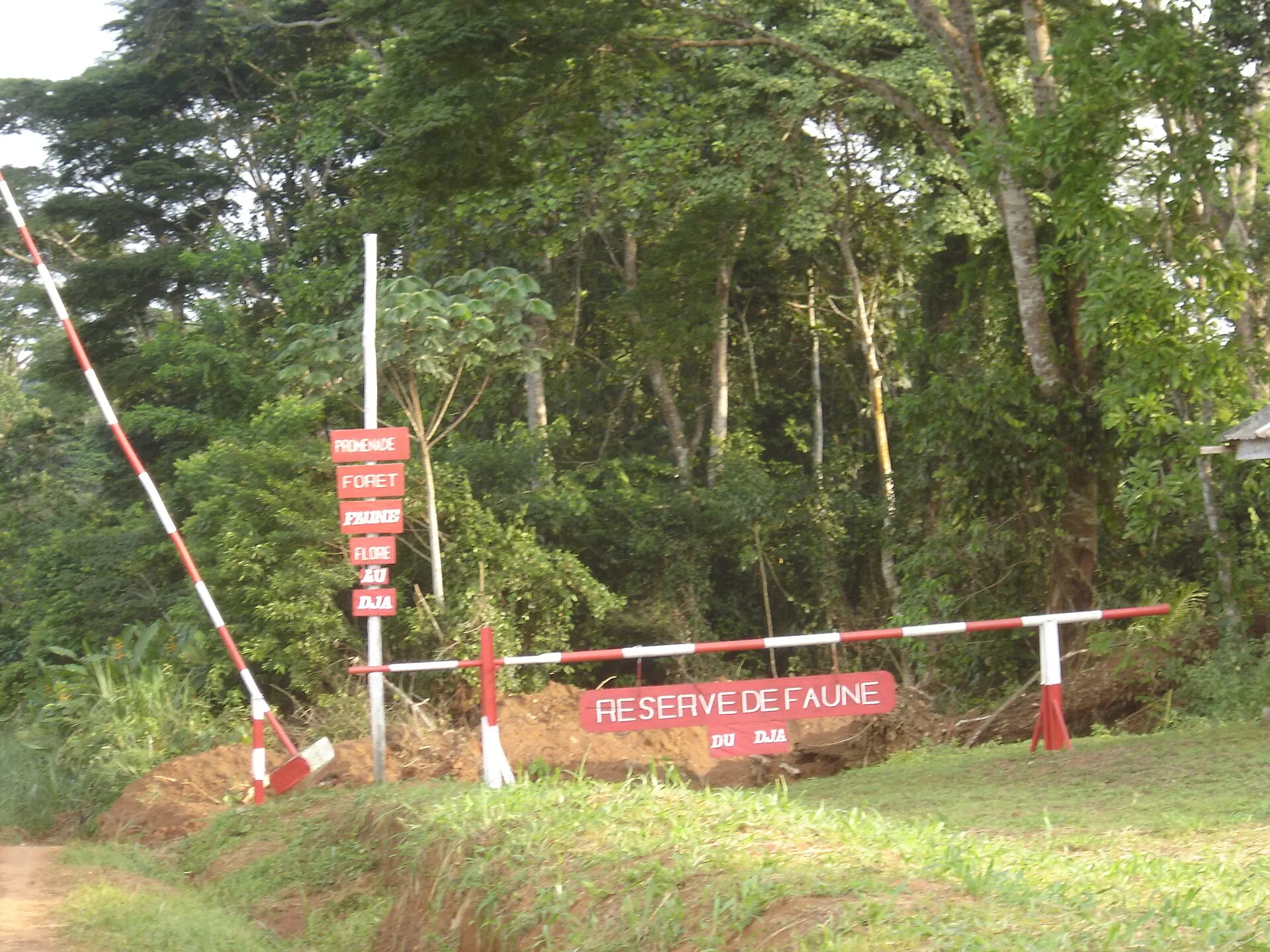
In short
- Best: December–February.
- Possible: July–August (short dry season).
- Avoid: September–November and March–June rains, when roads become very difficult.
Seasons
The forest is humid at any time of year, with temperatures in the mid-20s to around 30 °C. Many fruiting trees attract primates and elephants at different times — your guides will know what is in season.
| Months | Conditions |
|---|---|
| Dec–Feb | Main dry season: best roads, fewer leeches and mosquitoes |
| Mar–Jun | Rains: muddy roads, flooded tracks |
| Jul–Aug | Short drier spell: workable |
| Sep–Nov | Heaviest rains: hardest access |
Book tours in Dja Faunal ReserveLive times, prices and free cancellation terms on GetYourGuide.
Check availabilityMonth by month
| Month | Rain | Roads | Forest |
|---|---|---|---|
| January | Low | Best | Good walking |
| February | Low | Best | Good walking; hottest |
| March | Rising | Fair | Storms begin |
| April | High | Muddy | Wet trails |
| May | High | Muddy | Wet trails |
| June | Moderate | Fair | Improving |
| July | Lower | Fair–good | Short dry spell |
| August | Lower | Fair–good | Short dry spell |
| September | High | Difficult | Heavy rain |
| October | Very high | Hardest | Wettest |
| November | Falling | Difficult | Rains ending |
| December | Low | Good | Dry season begins |
Best time by interest
- First visit, best access: December to February.
- Second-best window: July–August, the short drier spell.
- Birding: good all year; many species are vocal and active early in the rainy season.
- Avoid: September–November, when roads can become impassable for days.
Temperatures and humidity
The Dja lies at roughly 400–800 m on the southern plateau, so temperatures are less extreme than on the coast: days typically reach the high 20s to around 30 °C and nights fall to about 20 °C. Humidity stays high all year, and under the canopy it feels hotter than the thermometer says. Rain usually comes as afternoon or night storms rather than all-day drizzle.
Wildlife through the year
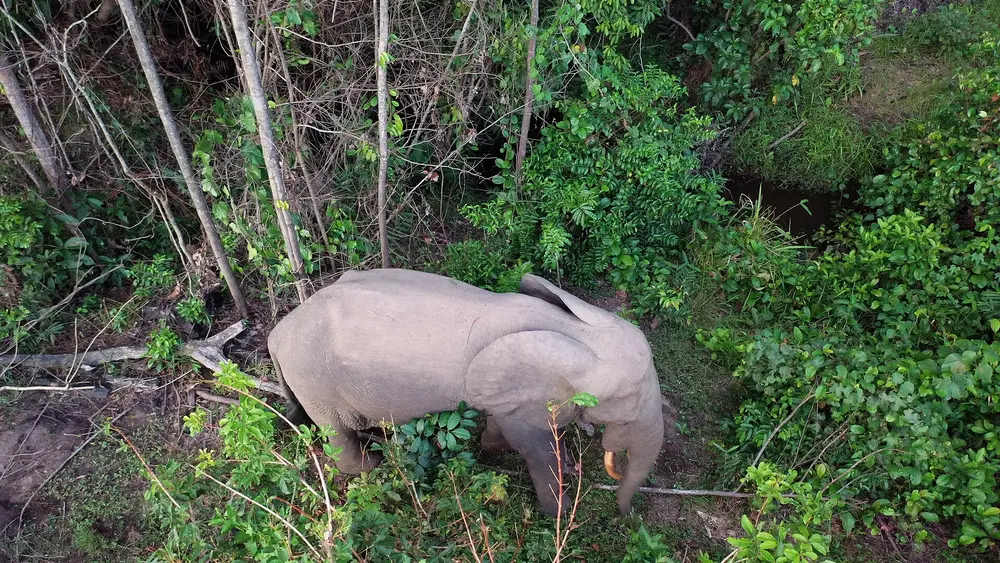
There is no 'migration season' in the rainforest; animals follow fruiting trees, which ripen at different times in different parts of the forest. Your trackers will know where figs or other fruit are attracting monkeys, hornbills and elephants during your visit. In the drier months, animal tracks are easier to follow and streams are lower, which makes walking easier.
Planning your dates
Book operators at least a few weeks ahead for December–February. Allow a buffer day at the end of the trip in case of breakdowns or road problems, and avoid planning an international flight on the day you return to Yaoundé.
What to pack, whatever the season
Rain is possible in every month: bring a light rain jacket, a dry bag for electronics and quick-dry clothing. Long trousers and long sleeves protect against insects and scratches; gaiters help against ants and leeches. Pack two pairs of shoes so one can dry. In the dry season, add a hat and extra water capacity for the long drive.
Combining the Dja with other trips
December to February is also the best time for Kribi's beaches, Ebodjé's turtles and the Western Highlands, so a three-week trip in this window could combine the Dja with the coast and the West. If you can only travel in July–August, pair the Dja with Yaoundé and the Mefou sanctuary, and accept wetter conditions on the coast.
Frequently asked questions
What is the best time to visit the Dja?
December to February, when roads and trails are driest.
Is the Dja hot?
Warm and very humid all year, typically mid-20s to around 30 °C, with frequent rain outside the dry seasons.
Does it rain in the Dja's dry season?
Yes, occasionally — it is a rainforest. The dry months simply have fewer and shorter storms, firmer roads and easier trails.
Is it worth visiting the Dja in the rainy season?
Only if you are flexible and well prepared: roads can close for days and trails are muddy. The forest is beautiful, but the dry season makes the trip far easier.
When is the Dja least crowded?
There are never crowds in the Dja: the reserve receives very few visitors at any time of year.
How many days should I allow for weather delays?
Add at least one buffer day to any Dja itinerary, and two in the rainy season, before onward travel or an international flight.
Sources and official information
Facts were checked against these official and primary sources in November 2026. Security advice, visa rules, prices and timetables change, so confirm before you go.
VisitCameroon.com is an independent guide, not the official site of the Ministry of Tourism and Leisure (MINTOUL), the Government of Cameroon or any operator. Some links are affiliate links: hotels go to Booking.com and tours to GetYourGuide, and we may earn a commission at no extra cost to you.