In short
- In the reserve: camping with your operator.
- Gateways: basic guesthouses in Somalomo, Lomié, Abong-Mbang.
- Before/after: Yaoundé hotels.
Camps and guesthouses
There are no lodges inside the reserve. Operators provide tents or use simple camps and village guesthouses; gateway towns have basic hotels with variable power and water. Bring a sleeping sheet, headlamp and mosquito net.
Book tours in Dja Faunal ReserveLive times, prices and free cancellation terms on GetYourGuide.
Check availabilityWhich stay suits whom?
- First-time rainforest travellers: a village guesthouse at the forest edge with day walks, plus one or two nights of camping.
- Naturalists and photographers: forest camps deep in the reserve with eco-guards, for dawn and dusk activity.
- Travellers who want comfort before and after: a good hotel in Yaoundé such as KÓLÒ Hôtel or the Albatros Premium Hôtel for showers, laundry and rest.
- Southern approach: Sangmélima has simple hotels for trips to the reserve's southern side — search Sangmélima.
What a forest camp is like
Camps are usually simple clearings near a stream, with tents or hammocks with mosquito nets, a cooking fire and a latrine dug by the team. Cooks prepare rice, pasta, plantains, beans, sardines and fresh produce brought from the village. Water comes from the stream and must be filtered or treated. Nights are warm and noisy with insects and frogs; rain can come at any time. Leave nothing behind — everything brought in must go out again.
Health and hygiene in camp
- Treat all water — filters, tablets or boiling — and keep a separate bottle for brushing teeth.
- Sleep under a treated mosquito net every night and continue malaria prophylaxis as prescribed.
- Shake out boots and clothes before putting them on.
- Keep cuts clean and covered; in the humid forest, small wounds infect quickly.
- Carry a personal first-aid kit with rehydration salts, antiseptic, blister plasters and any personal medication.
In the gateway towns
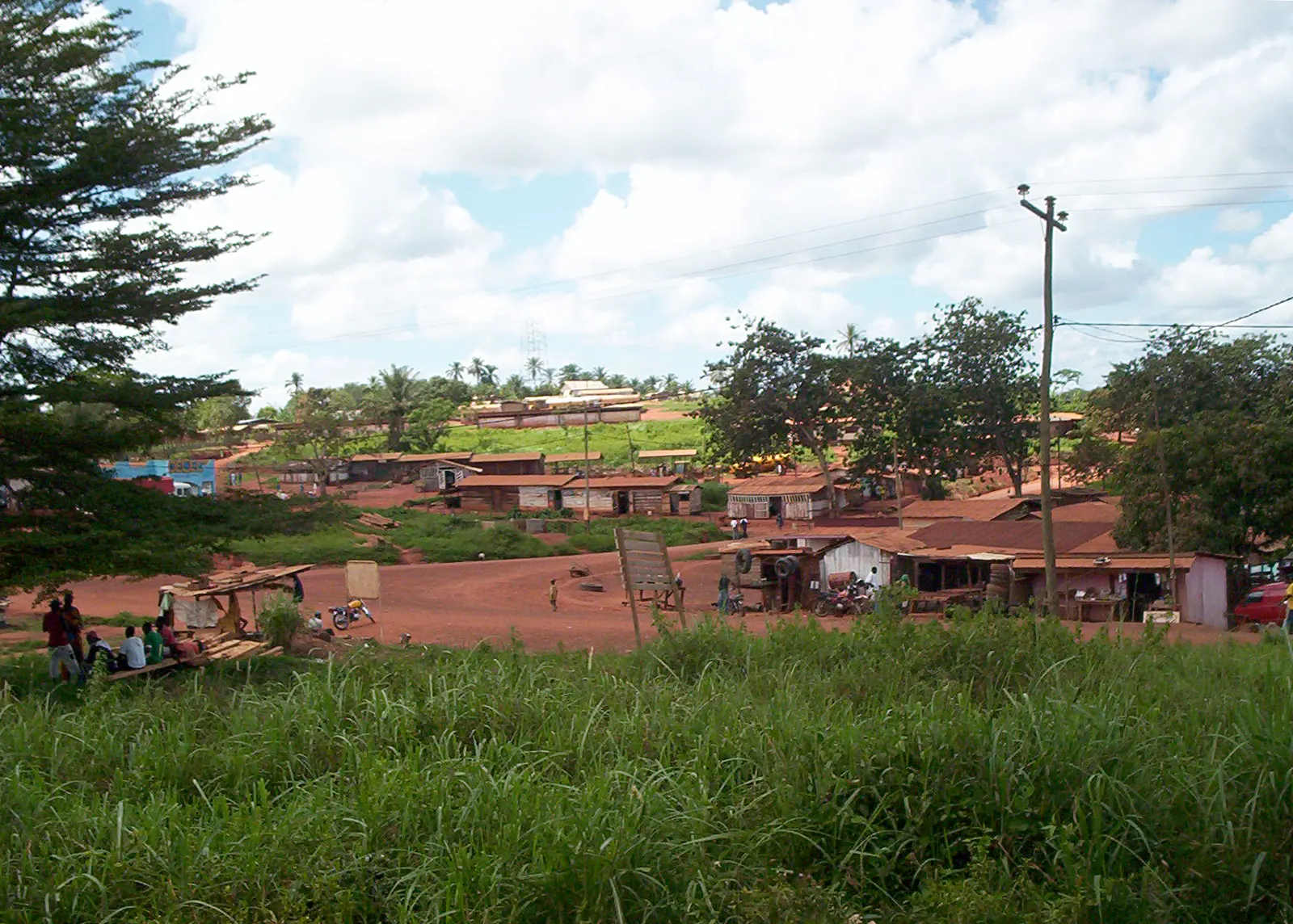
Somalomo, Lomié and Abong-Mbang have a few basic hotels and guesthouses ('auberges') with fans, intermittent power and bucket showers. They are fine for a night before or after the forest. Very little is listed online; your operator will book them. Bring a sleeping sheet, a headlamp, a towel and toilet paper, and pay in cash.
Respecting your hosts
Whether you sleep in a village guesthouse or near a Baka camp, you are a guest in someone's home. Greet people, ask before entering compounds or photographing, dress modestly and keep noise down at night. Pay agreed rates directly and promptly, and if you'd like to leave something useful, ask what is needed rather than guessing.
In Yaoundé
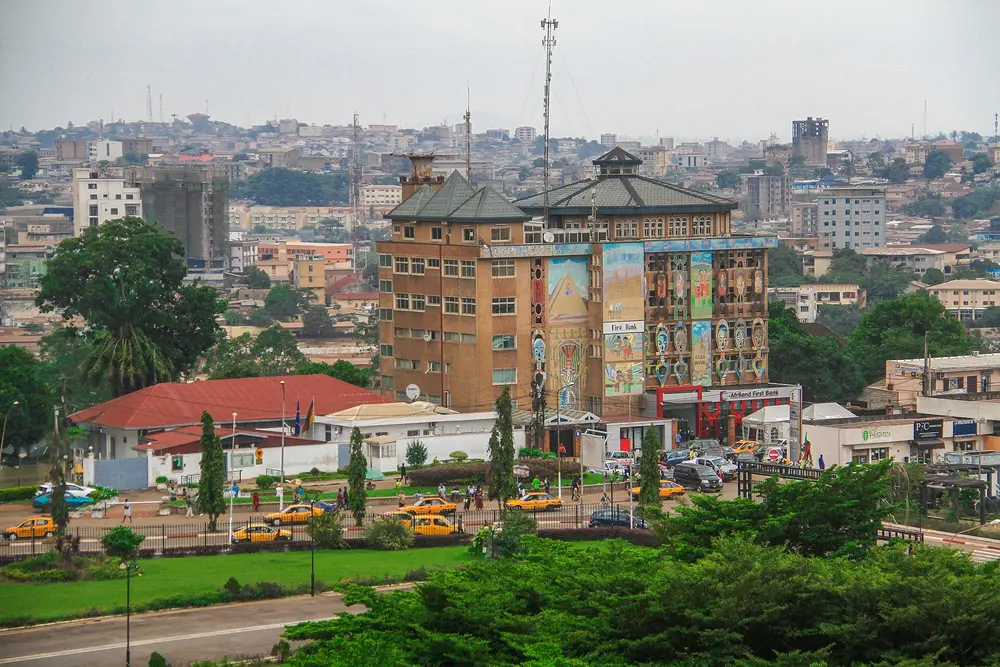
Rest before and after in Yaoundé.
KÓLÒ Hôtel
YaoundéBoutique hotel in Yaoundé with excellent guest reviews (smaller number of ratings).
Guest score 9.1/10 from 42 reviews (Booking.com, November 2026)
See on Booking.comAlbatros Premium Hôtel
YaoundéWell-reviewed hotel in Yaoundé, a practical base for the city centre and ministries.
Guest score 8.1/10 from 236 reviews (Booking.com, November 2026)
See on Booking.comSee all stays in Yaoundé on Booking.com
Hotel links go to Booking.com, where you see live prices and availability. We do not list prices because they change daily; VisitCameroon.com may earn a commission. Guest scores are as shown on Booking.com in November 2026.
Village stays
Some communities around the reserve host visitors in simple guesthouses or family homes, with meals of cassava, plantain, groundnuts and fish. These stays are arranged through operators or community projects and are a valuable source of income. Bring small gifts only if your guide suggests it, and pay the agreed rates directly.
Booking and paying
Almost all accommodation in and around the Dja is booked through your operator as part of the trip; independent bookings are difficult because guesthouses rarely answer emails and few are listed online. Pay in cash, in small notes, and keep the receipts for permits and lodging. If you extend a trip, tell your operator early so food and porters can be organised.
Frequently asked questions
Are there lodges in the Dja?
No — visits involve camping or simple village guesthouses arranged by your operator.
Is camping in the Dja safe?
With experienced guides and eco-guards, yes; follow their instructions on campsites, water and wildlife.
What should I bring for camping in the Dja?
A sleeping sheet, quick-dry clothes, a headlamp, a water filter or tablets, insect repellent, a dry bag and cash. Ask your operator whether tents, hammocks and nets are provided.
Is there electricity at Dja camps?
No mains power in the forest. Bring a power bank or small solar charger; village guesthouses may have a generator for a few hours in the evening.
Are there hotels inside the Dja reserve?
No. You sleep in forest camps with your team, or in simple guesthouses in the gateway villages and towns.
Sources and official information
Facts were checked against these official and primary sources in November 2026. Security advice, visa rules, prices and timetables change, so confirm before you go.
VisitCameroon.com is an independent guide, not the official site of the Ministry of Tourism and Leisure (MINTOUL), the Government of Cameroon or any operator. Some links are affiliate links: hotels go to Booking.com and tours to GetYourGuide, and we may earn a commission at no extra cost to you.