In short
- Walk: 1–5-day forest treks with eco-guards and Baka trackers.
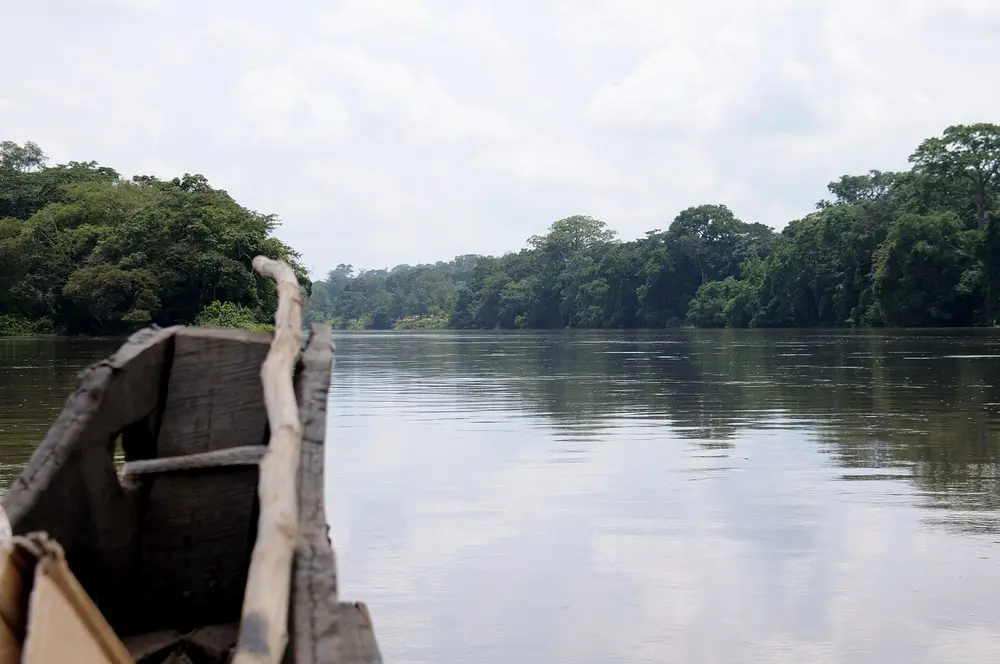
- Paddle: pirogue trips along the Dja.
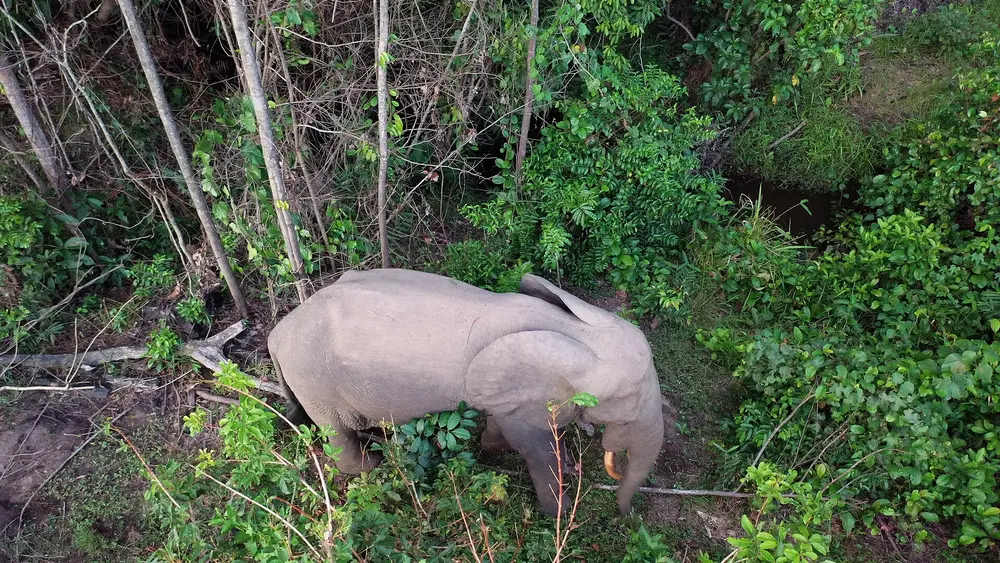
- Watch: monkeys, hornbills, turacos; elephant and ape signs.
- Learn: plants, honey-gathering and forest skills with Baka communities.
Forest walks
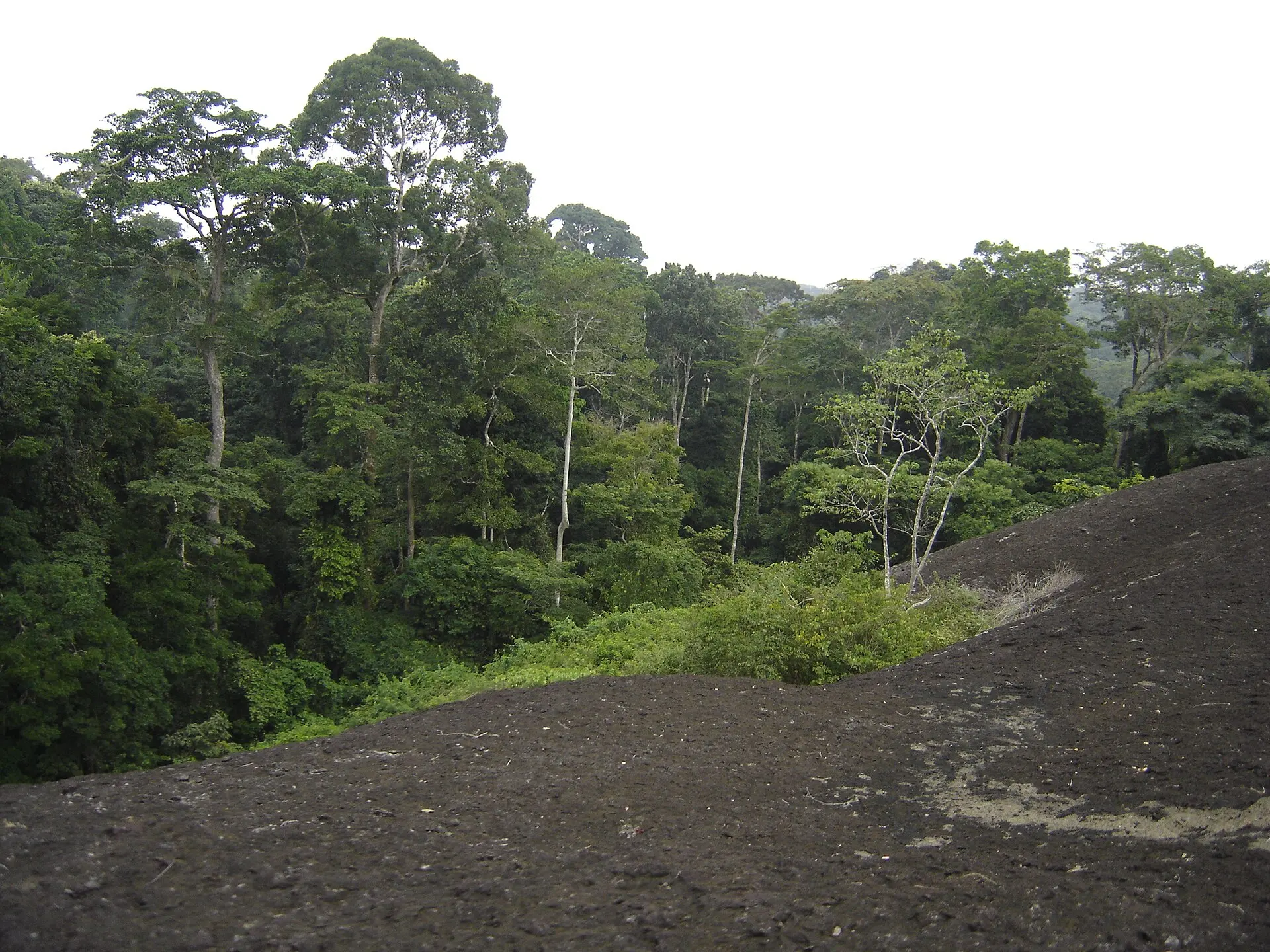
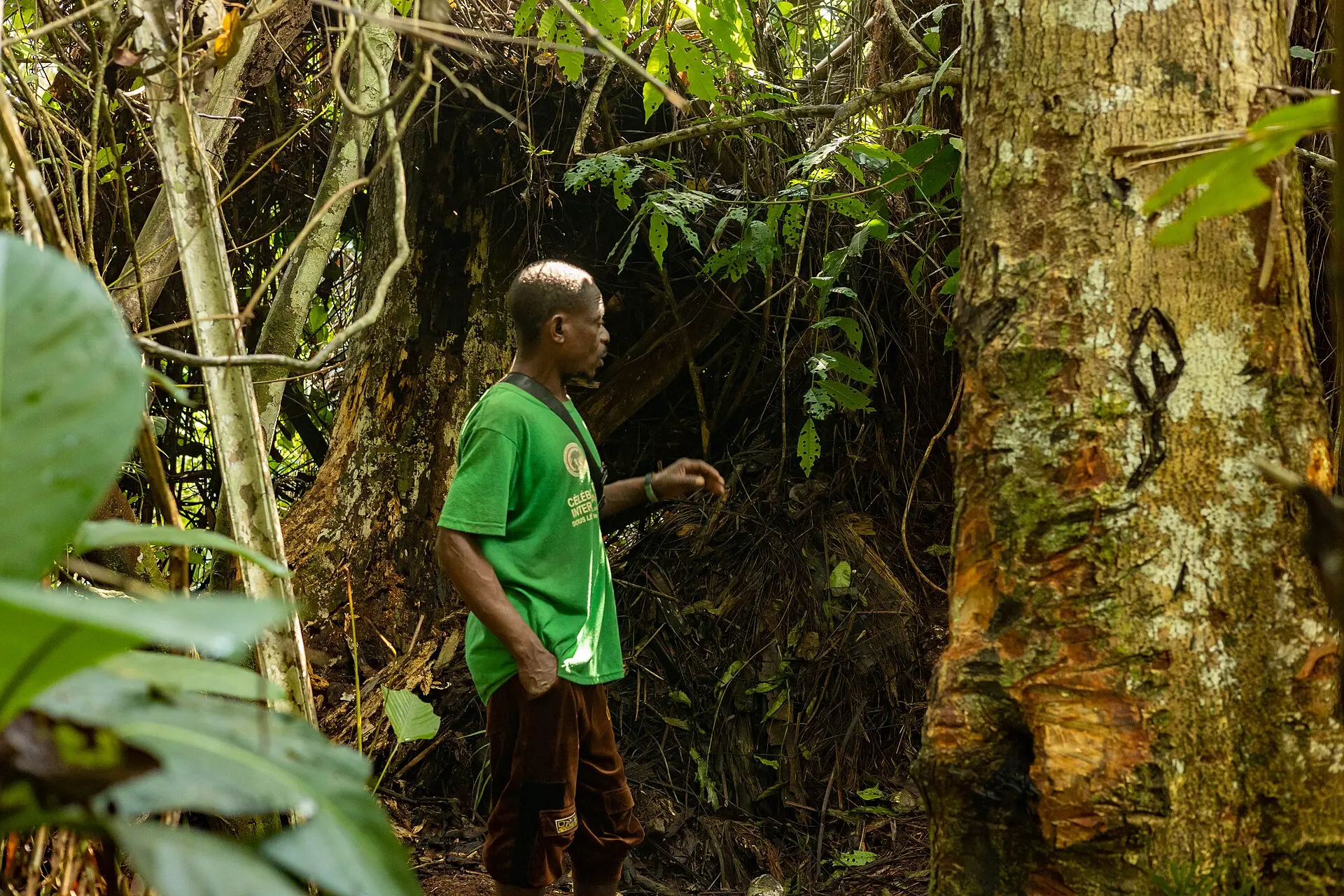
Trails lead from Somalomo and Lomié into the reserve. Day walks introduce the forest; multi-day treks with camping go deeper, where wildlife is less disturbed. Expect heat, humidity, mud and insects — and moments of astonishing beauty.
Book tours in Dja Faunal ReserveLive times, prices and free cancellation terms on GetYourGuide.
Check availabilityRiver journeys
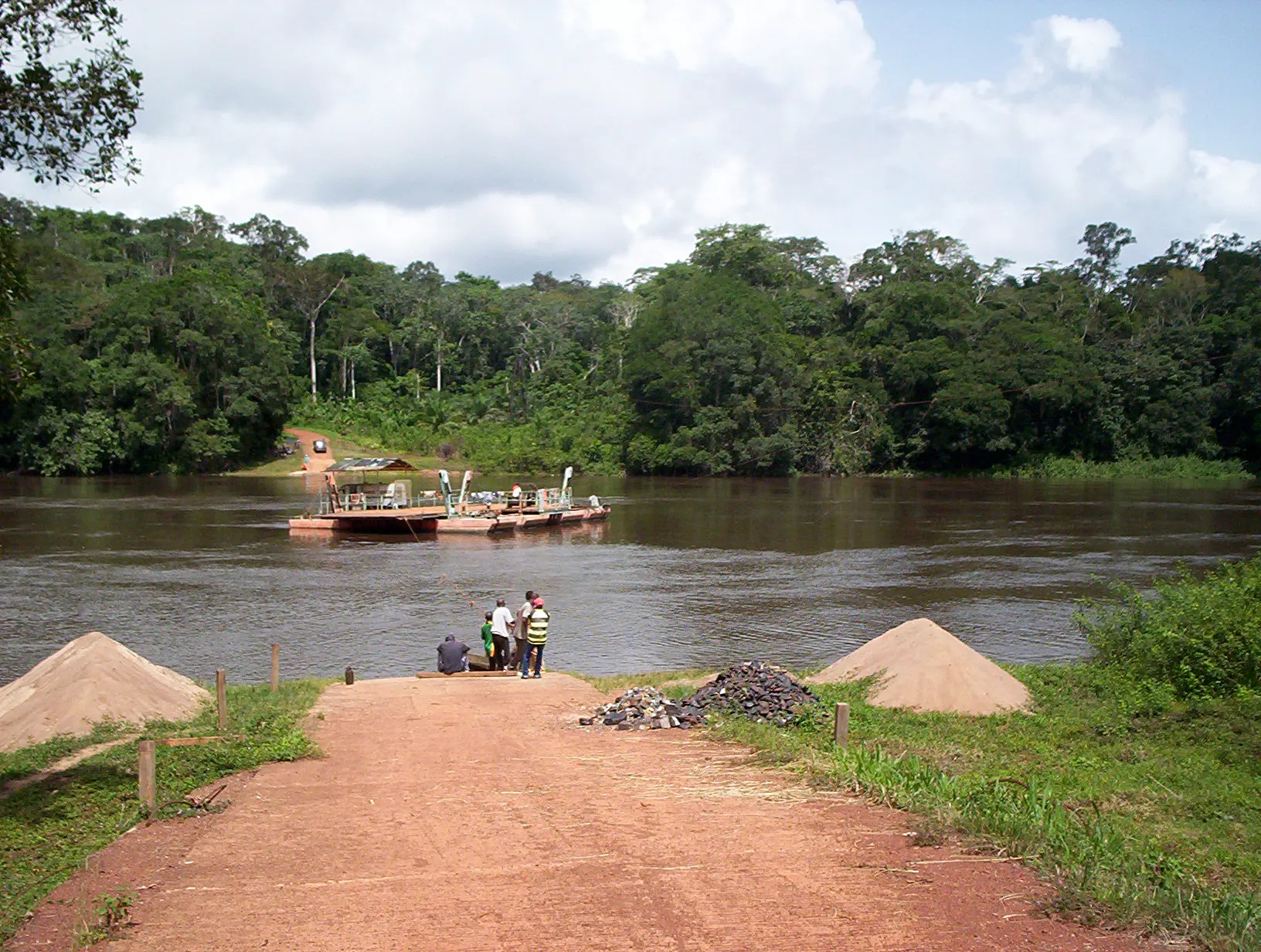
The Dja loops around the reserve; pirogue trips reveal riverside forest, kingfishers and sometimes monkeys and otters. Life jackets should be provided.
Primates and birds
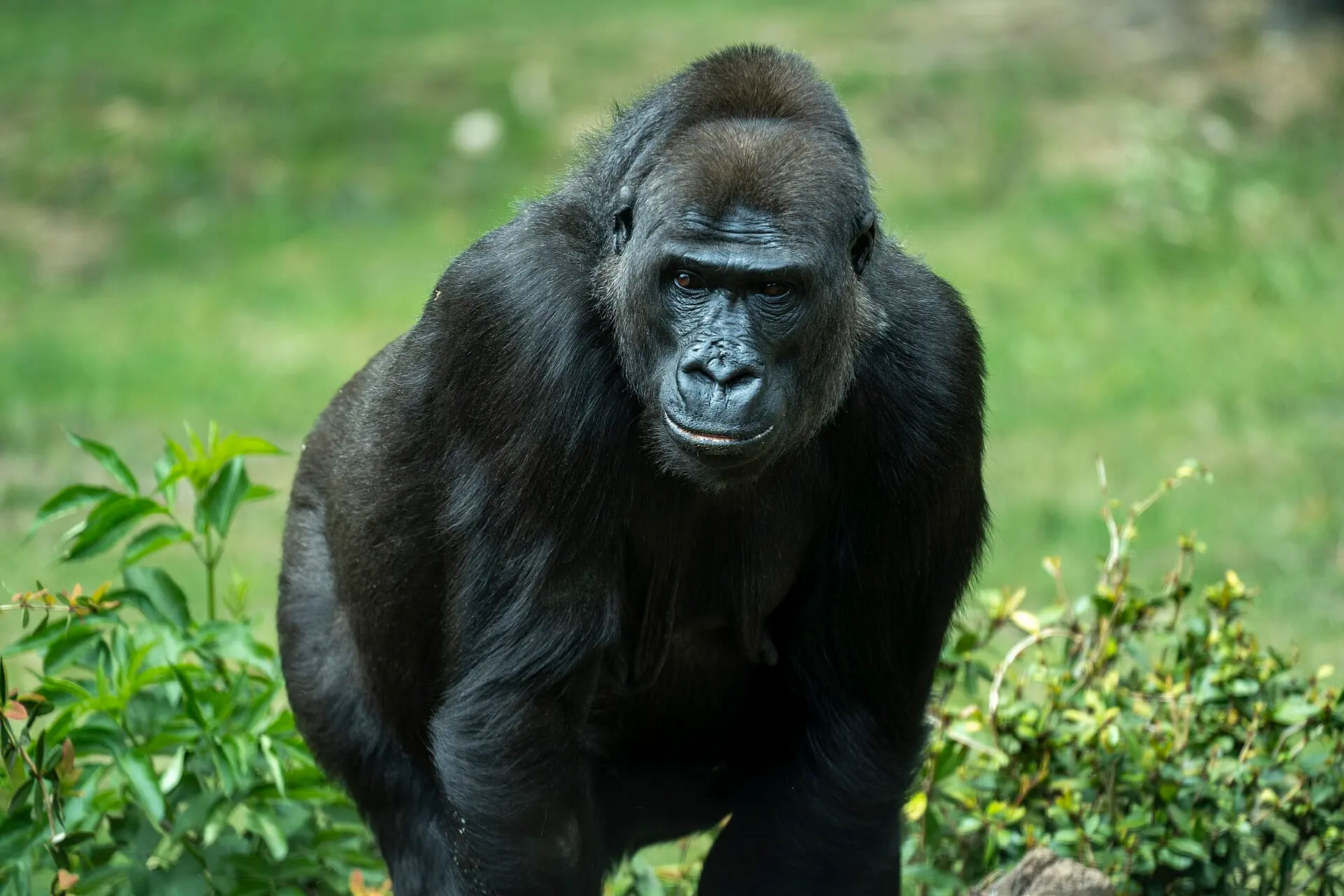
Listen for chimpanzees drumming and calling, look for colobus and guenons in the canopy, and track hornbills, turacos and grey parrots. A pair of binoculars is essential.
Baka forest knowledge
Baka guides can show medicinal plants, traps, honey-gathering and the forest's sounds. Arrange visits through operators or community projects that pay fairly, and respect privacy.
Night walks and camp life
With an eco-guard's permission, short night walks reveal another forest: tree frogs, fireflies, sleeping birds, bushbabies (galagos) and the eyeshine of small mammals. Use a red light and stay on the trail. Back in camp, evenings are when Baka guides may share songs and stories — one of the most memorable parts of a Dja trip. Respect the line between invited participation and staged performance: never ask for a show.
Village visits on the way
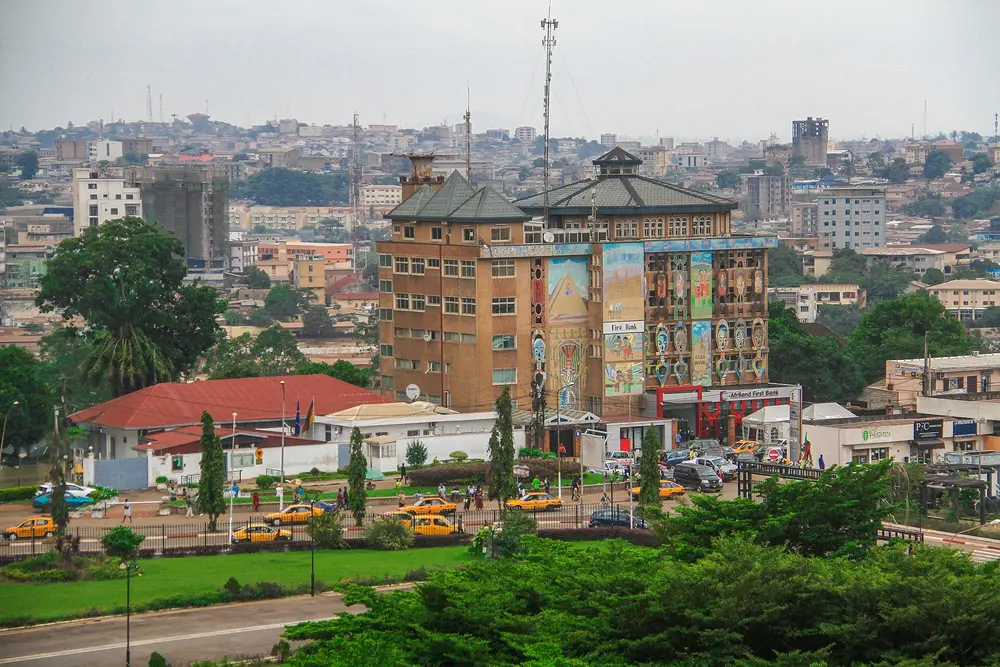
The long drive from Yaoundé passes through farming towns and villages where cocoa dries on mats by the road, markets sell plantains, cassava and smoked fish, and roadside stalls grill corn and safou (bush plums) in season. Stops for lunch and supplies in Akonolinga or Abong-Mbang break the journey. Ask your driver before photographing, and buy fruit and snacks locally.
A five-day sample itinerary
- Day 1: Yaoundé → Somalomo (5–7 h); register with the conservation service; evening in a village guesthouse.
- Day 2: walk into the forest with eco-guards and Baka trackers; set up camp; dusk listening session.
- Day 3: full day of tracking on forest trails — primates, birds, elephant signs; short night walk.
- Day 4: pirogue on the Dja; return to the forest edge; farewell meal in the village.
- Day 5: early departure to Yaoundé, arriving before dark.
What you might see
Most likely: several monkey species (moustached and crowned guenons, colobus), hornbills, turacos, kingfishers, butterflies, termite mounds and the tracks and dung of forest elephants. With luck: chimpanzees, red river hogs, duikers, and the nests or feeding signs of gorillas. Very rarely: gorillas themselves, leopards or pangolins. Patience, silence and good guides make the difference.
Photography in the rainforest
The forest floor is dark even at midday, so a camera that handles high ISO and a fast lens matter more than a long telephoto. Protect equipment from humidity with dry bags and silica gel, and wipe lenses often. Ask before photographing people, especially in Baka camps; some communities have agreed rules and fees for photography, which your operator should explain. Commercial filming in the reserve needs authorisation from the Ministry of Forestry and Wildlife.
Health and comfort
Wear long, light clothing and closed shoes; tuck trousers into socks against ants. Use repellent, take malaria prophylaxis, treat all drinking water and carry a first-aid kit with blister care and antiseptic. Expect sweat bees, mud and heat — and remember that medical help is days away.
How fit do you need to be?
You don't need to be an athlete, but you should be comfortable walking several hours a day in heat and high humidity, climbing over fallen trees and crossing streams. Good operators adjust the pace and distance to the group; porters can carry camping gear. If you have mobility or heart problems, discuss them openly with the operator and your doctor before booking — evacuation from the forest is slow.
Frequently asked questions
How physically demanding is a Dja trip?
Moderately to very demanding: long walks in heat and humidity on muddy trails, and basic camping.
Can I see chimpanzees in the Dja?
You may hear them and find their nests and feeding signs; actual sightings are possible but never guaranteed, because the animals are not habituated to people.
Can I do a day trip to the Dja from Yaoundé?
No. The gateways are 5–8 hours from Yaoundé on partly unpaved roads; plan at least four or five days.
Sources and official information
Facts were checked against these official and primary sources in November 2026. Security advice, visa rules, prices and timetables change, so confirm before you go.
VisitCameroon.com is an independent guide, not the official site of the Ministry of Tourism and Leisure (MINTOUL), the Government of Cameroon or any operator. Some links are affiliate links: hotels go to Booking.com and tours to GetYourGuide, and we may earn a commission at no extra cost to you.