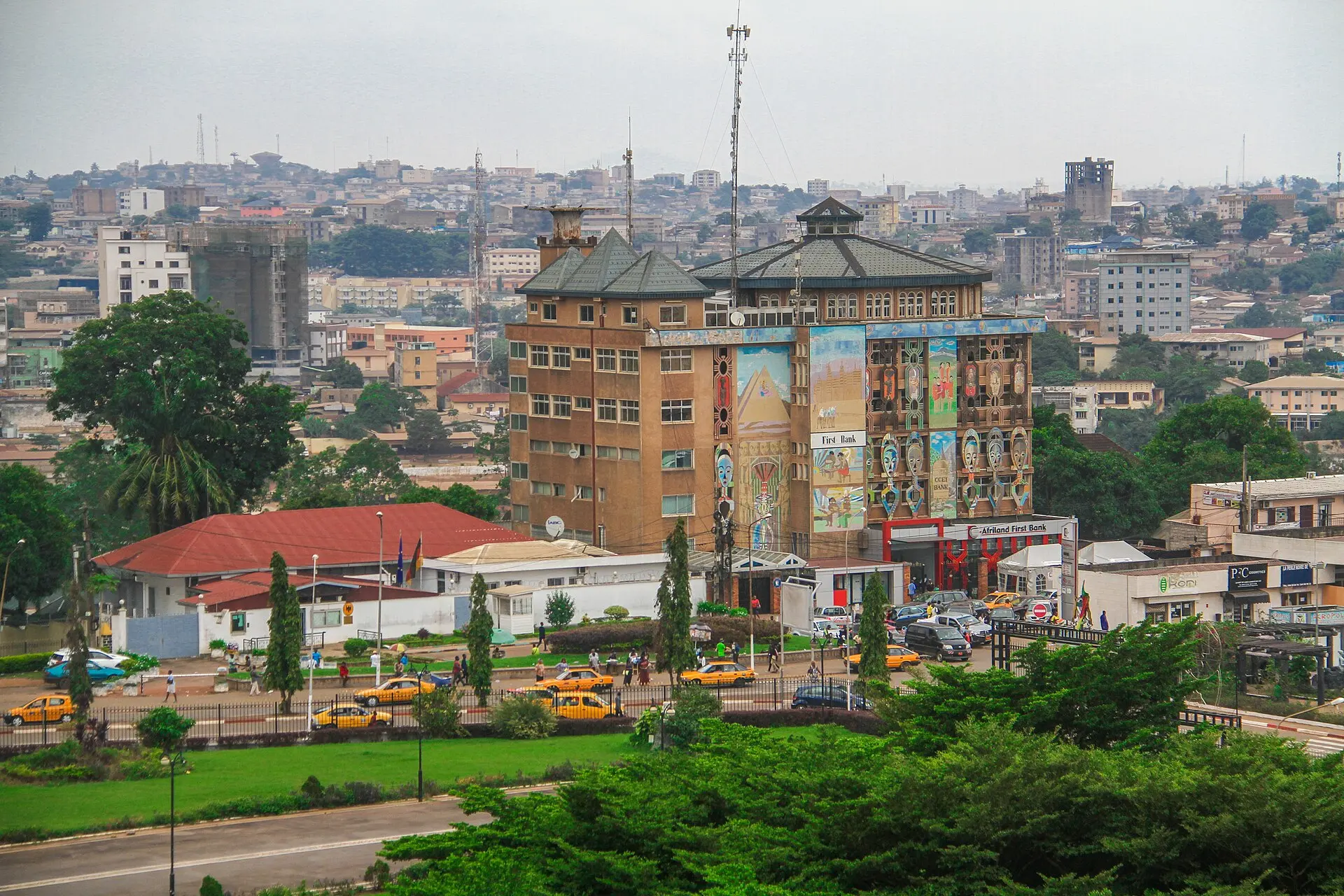
- Region
- Centre Region (Mfoundi department)
- How long
- 2–3 nights
- Airport
- Yaoundé-Nsimalen (NSI), ≈ 25 km
- To Douala
- ≈ 240 km · 4–5 h
- To Kribi
- ≈ 270 km · 4–5 h
- Altitude
- ≈ 700–800 m
In short
- Where: on the forested plateau of the Centre Region at about 700–800 m, 240 km east of Douala.
- Why: museums and monuments, Mont Fébé, markets, the Mefou Primate Sanctuary (≈ 1 h away), and the gateway to the Dja rainforest.
- How long: 2–3 days.
- Airport: Yaoundé-Nsimalen (NSI), ≈ 25 km south.
- Advice: not under travel restrictions; city crime precautions apply and the FCDO notes terrorism risk could extend to Yaoundé.
A capital among hills
Founded as a German military post in 1889 on the lands of the Ewondo (a Beti people), Yaoundé became the capital of French Cameroun and then of the independent country. It spreads across a series of green hills — Mont Fébé, Mont Mbankolo, Mont Messa and others — giving it a cooler, airier feel than the coast. Ministries, embassies, universities and the presidential palace (not to be photographed) are here; so is a lively music scene centred on bikutsi, the Beti rhythm.
For visitors, Yaoundé is the best place in Cameroon to understand the country's art and history, and the base for the Mefou primates and for expeditions to the south and east.
Book tours in YaoundéLive times, prices and free cancellation terms on GetYourGuide.
Check availabilityNeighbourhoods at a glance
- Centre-ville: ministries, the cathedral, Boulevard du 20 Mai and the central market — busy by day, empty at night.
- Bastos: the diplomatic quarter in the north, with embassies, restaurants, cafés and many of the best hotels.
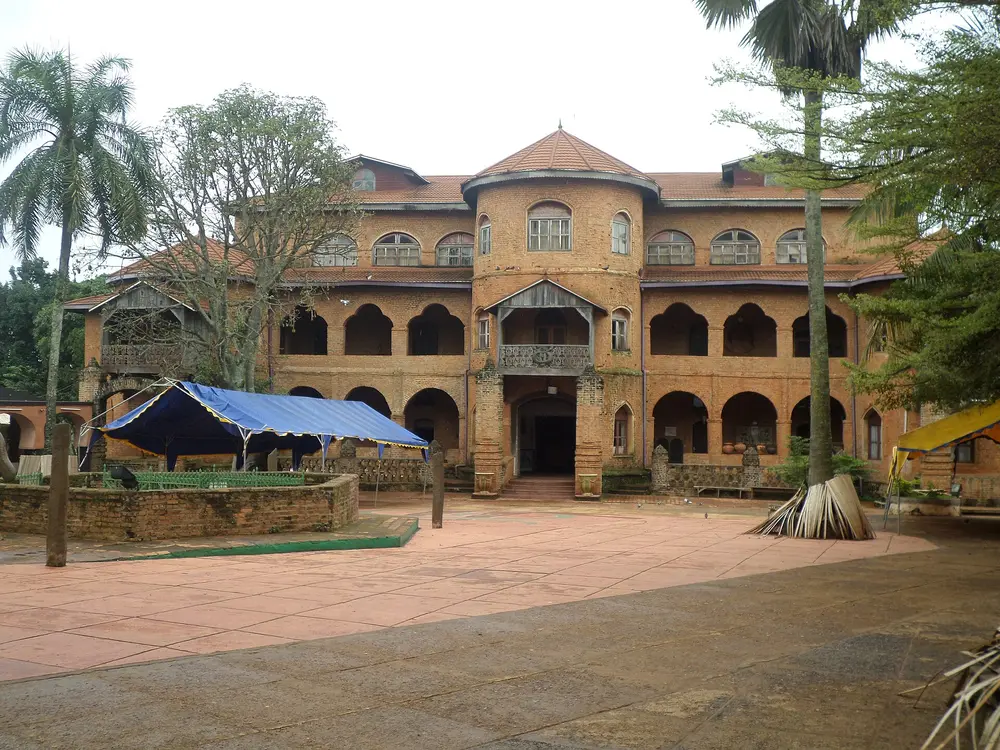
- Mont Fébé: the green hill north-west of the centre, with the Benedictine monastery and its museum and views over the city.
- Mokolo and Briqueterie: markets and the dense, lively heart of everyday Yaoundé; go with a local.
- Mvan and the south: the road to Nsimalen airport and Mbalmayo, with many coach-company depots.
Monuments and museums
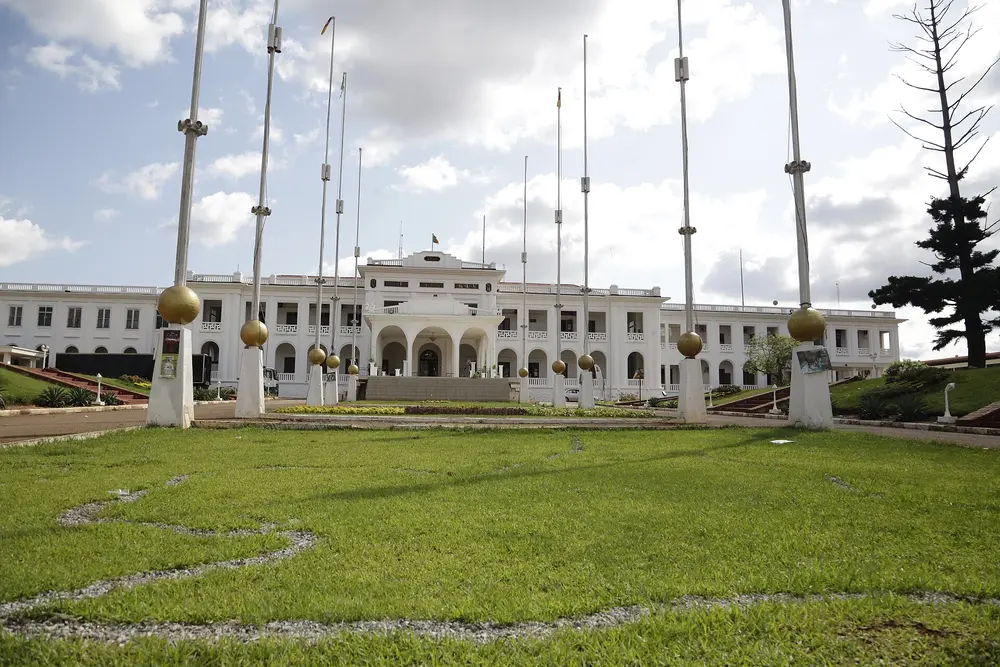
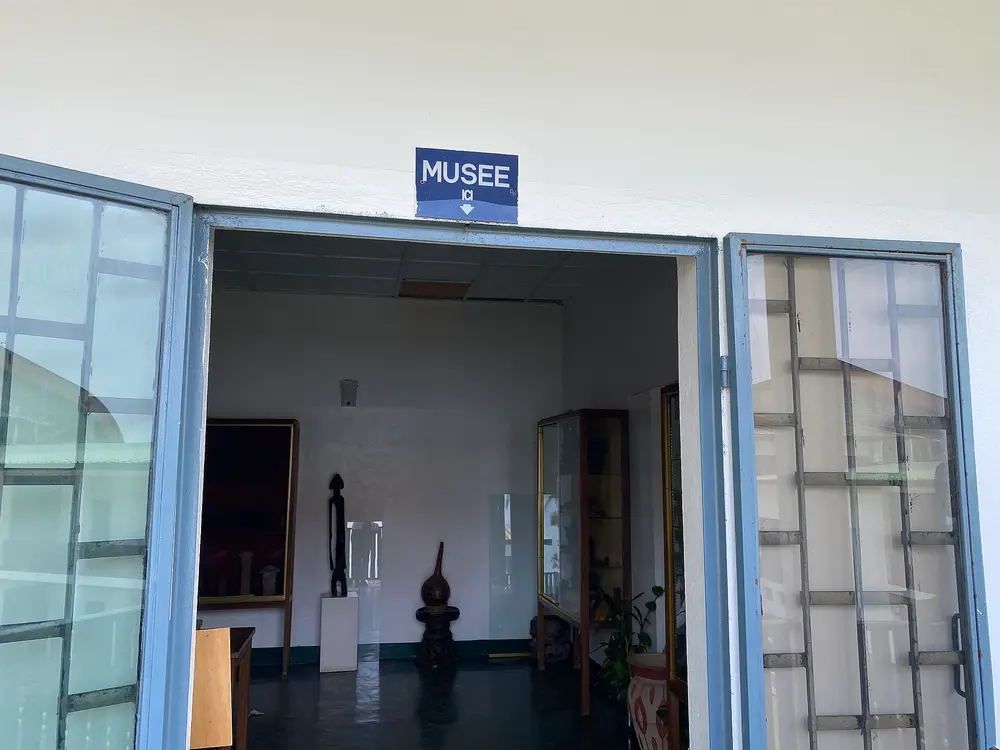
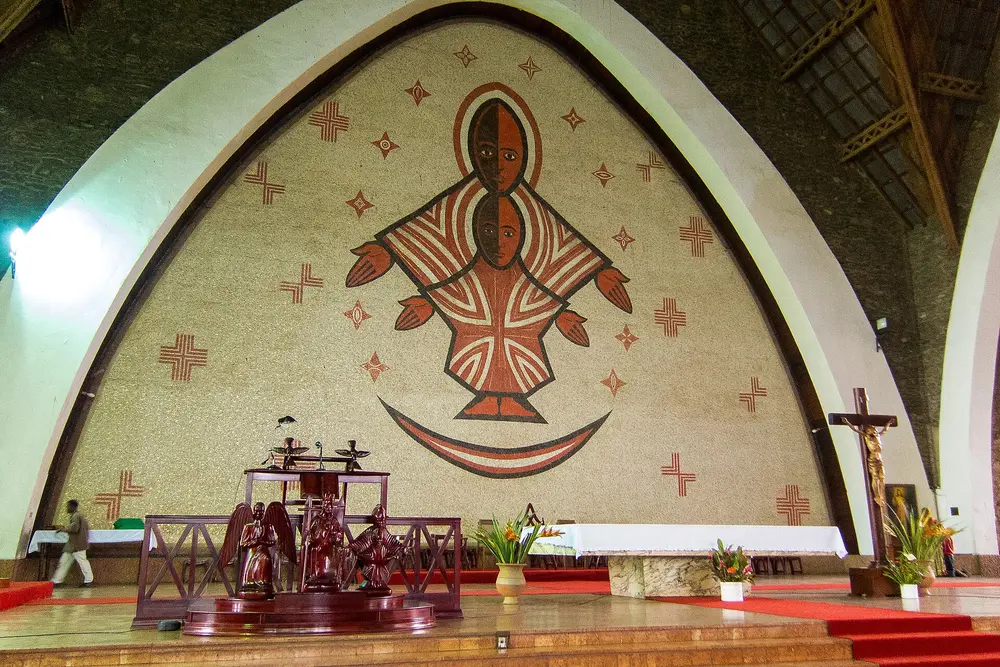
The spiralling Reunification Monument (1970s), on a hill near the city centre, commemorates the 1961 union of French- and English-speaking Cameroon; climb it for views. The National Museum, in the former presidential palace, presents Cameroon's history and peoples. On Mont Fébé, the Benedictine monastery's museum holds an outstanding collection of traditional art — masks, statues, bronzes and everyday objects from all regions. In the centre, the cathedral of Notre-Dame-des-Victoires and the busy Boulevard du 20 Mai, scene of National Day parades, complete the picture.
The Mefou Primate Sanctuary
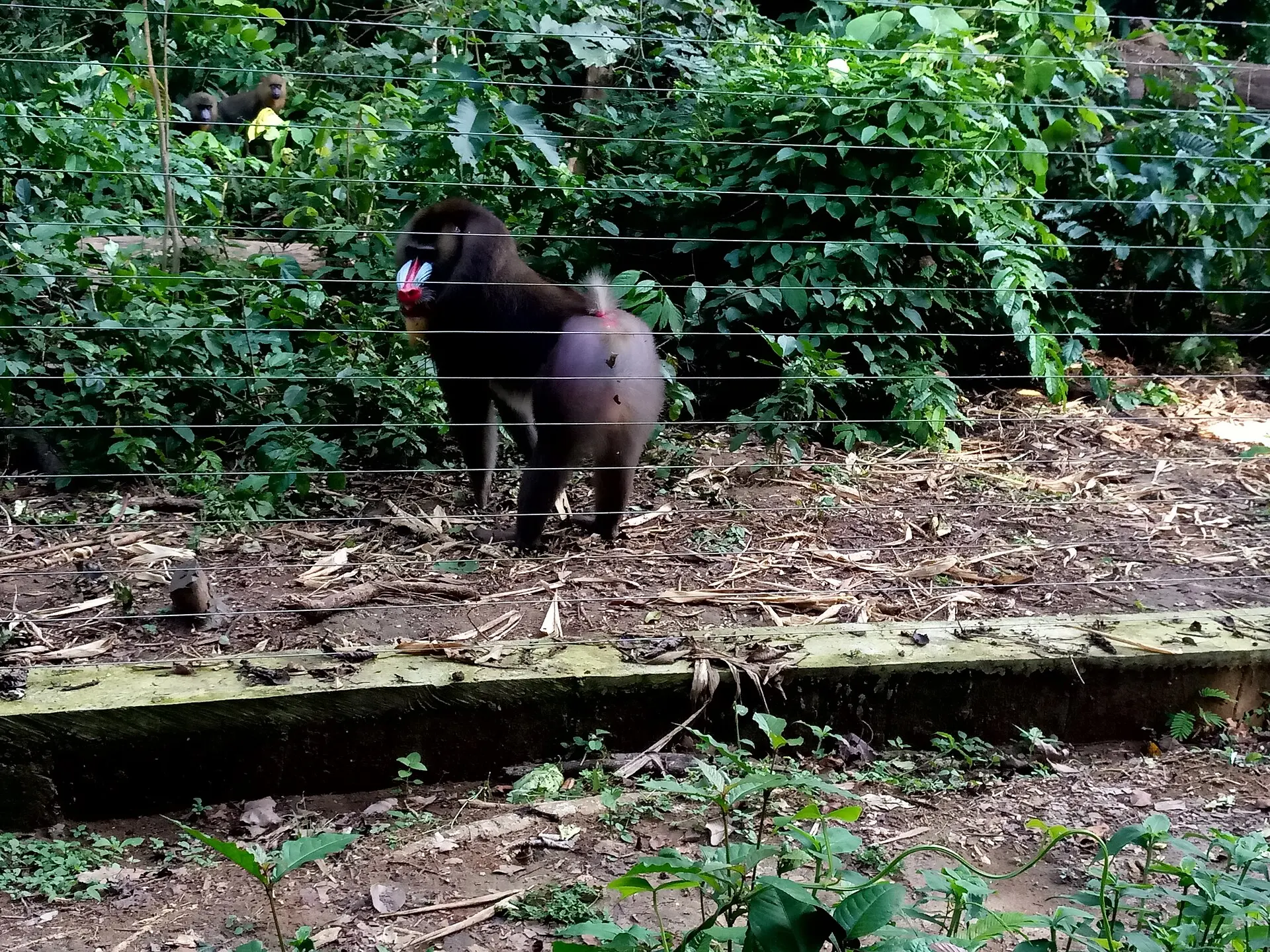
About an hour from the city, in the Mefou National Park, the charity Ape Action Africa cares for gorillas, chimpanzees, drills, mandrills and monkeys rescued from the illegal bushmeat and pet trades, in large forest enclosures. Guided visits explain their stories and the threats to Cameroon's primates. Book in advance through the organisation; a car with driver is the practical way to get there. It is the most reliable way to see gorillas and chimpanzees in Cameroon.
Markets and everyday Yaoundé
Mokolo market is the city's largest and liveliest — food, fabrics, hardware and everything else; go with someone local and keep valuables hidden. Mfoundi market and the craft market near the centre are good for souvenirs. The Mvog-Betsi zoo-botanical park is a modest city zoo popular with families. Evenings are for grilled fish and soya in neighbourhood 'braiseries', and for bikutsi and Afropop in the bars of Bastos and the centre.
Day trips and onward routes
- Mefou Primate Sanctuary (≈ 1 h): see above.
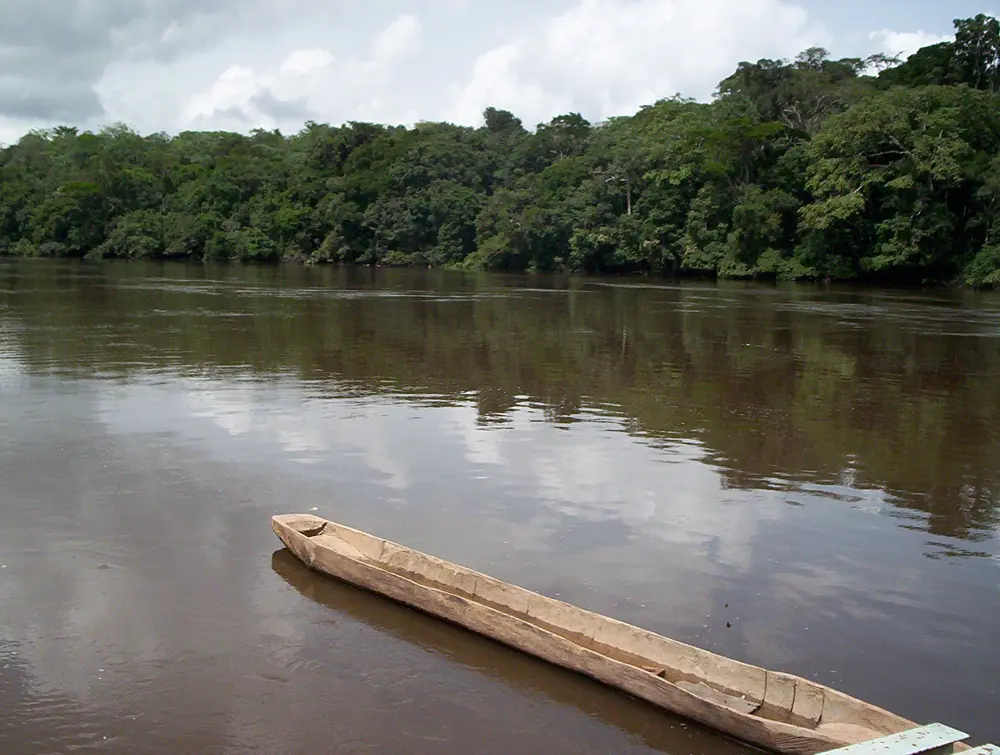
- Ebogo on the Nyong river (≈ 1.5–2 h): an ecotourism site with pirogue trips through the forest — check current arrangements locally.
- Kribi (4–5 h): the beach, for a few days.
- Dja Faunal Reserve (5–7 h to the gateways): for organised expeditions.
- Foumban and the West (5–6 h via Bafia).
Getting in and around
Yaoundé-Nsimalen (NSI) lies about 25 km south of the centre; allow 30–45 minutes by car, more at rush hour, and book a hotel transfer for evening arrivals. From Douala, coaches take 4–5 hours and Camrail's express about 4 h 45 min (6:30 AM local time from Douala, 5 PM from Yaoundé, as reported by Seat61 in January 2026). The overnight train north to Ngaoundéré leaves Yaoundé in the evening.
In town, yellow shared taxis charge the official 350 XAF per seat by day and 400 XAF at night (February 2024 fares); the hills and distances make walking between sights impractical. Ride-hailing apps such as Yango operate, and hotel drivers are the safest choice after dark. See getting to Yaoundé.
Yaoundé in two days
- Day 1: Reunification Monument in the morning light; National Museum; lunch in the centre; Notre-Dame-des-Victoires cathedral; sunset view from Mont Fébé; dinner in Bastos.
- Day 2: early departure to the Mefou Primate Sanctuary (booked in advance); back for lunch; Benedictine Museum on Mont Fébé; Mokolo market with a local companion; evening of grilled fish and bikutsi.
Who Yaoundé suits
- Culture and history lovers: the best museums in the country and the Reunification Monument.
- Wildlife lovers: the Mefou sanctuary within an hour, and the starting point for the Dja.
- Travellers who dislike Douala's heat: Yaoundé's hills are cooler and greener, and the city feels calmer.
- Food lovers: dishes of the Centre and South — okok, kpem, sanga — and lively braiseries. A cooking workshop is now among the newly listed experiences on GetYourGuide.
Traditional cooking workshop in Yaoundé
A traditional cooking workshop in Yaoundé — a hands-on introduction to Cameroonian food. Newly listed on GetYourGuide with no reviews yet (November 2026) — check the itinerary and inclusions on the listing.
Check availabilityBook via GetYourGuideTour listings are on GetYourGuide. Prices, times and cancellation terms are shown live on each listing and can change; VisitCameroon.com may earn a commission at no extra cost to you.
Safety and practicalities
Yaoundé is generally calmer than Douala, but armed robbery and mugging occur, particularly in poorer districts and at night (FCDO). The FCDO also notes that IEDs linked to the Anglophone conflict have been seen in Yaoundé and that threats were made against diplomatic missions in 2020. Avoid demonstrations, don't walk after dark, use known drivers, and never photograph government buildings or the presidential palace.
Where to stay
Bastos (the diplomatic quarter) for calm, the centre for museums and business. See where to stay in Yaoundé.
KÓLÒ Hôtel
YaoundéBoutique hotel in Yaoundé with excellent guest reviews (smaller number of ratings).
Guest score 9.1/10 from 42 reviews (Booking.com, November 2026)
See on Booking.comAlbatros Premium Hôtel
YaoundéWell-reviewed hotel in Yaoundé, a practical base for the city centre and ministries.
Guest score 8.1/10 from 236 reviews (Booking.com, November 2026)
See on Booking.comMASSOU Residence
YaoundéSmall, highly rated residence in Yaoundé with apartment-style rooms.
Guest score 8.3/10 from 107 reviews (Booking.com, November 2026)
See on Booking.comSee all stays in Yaoundé on Booking.com
Hotel links go to Booking.com, where you see live prices and availability. We do not list prices because they change daily; VisitCameroon.com may earn a commission. Guest scores are as shown on Booking.com in November 2026.
Food in Yaoundé
The capital is a good place to taste dishes of the Centre and South: okok (wild Gnetum leaves with peanuts), sanga, kpem (cassava leaves), and fish grilled with spices. Bastos and the centre also have French, Lebanese, Italian and Asian restaurants. Evening 'braiseries' grill fish, chicken and plantains to order.
Plan your visit to Yaoundé
- Things to doReunification Monument, the National Museum, the Benedictine Museum on Mont Fébé, the…
- Guides & toursHow to visit the Mefou Primate Sanctuary, book a city guide or arrange onward trips to…
- Getting thereYaoundé-Nsimalen airport and transfers, the N3 from Douala by coach or car, the Camrail…
- Where to stayBastos for calm and embassies, the centre for museums and ministries: Yaoundé's best…
- When to goYaoundé has two dry seasons — December to February and a short break in July–August —…
Frequently asked questions
Is Yaoundé worth visiting?
Yes — for its museums (especially the Benedictine Museum), the Reunification Monument, markets and the nearby Mefou Primate Sanctuary.
Is Yaoundé safe?
It is not under travel restrictions. Take city precautions: no walking at night, known drivers, avoid gatherings.
How far is the Mefou Primate Sanctuary from Yaoundé?
About an hour by car; book your visit in advance through Ape Action Africa.
How far is Yaoundé from the airport?
Yaoundé-Nsimalen airport is about 25 km south of the centre — usually 30–45 minutes by car.
How many days should I spend in Yaoundé?
Two days: one for the monuments and museums, one for the Mefou primate sanctuary and a market. Add a day for Ebogo or Mbalmayo on the Nyong.
Sources and official information
Facts were checked against these official and primary sources in November 2026. Security advice, visa rules, prices and timetables change, so confirm before you go.
VisitCameroon.com is an independent guide, not the official site of the Ministry of Tourism and Leisure (MINTOUL), the Government of Cameroon or any operator. Some links are affiliate links: hotels go to Booking.com and tours to GetYourGuide, and we may earn a commission at no extra cost to you.