In short
- Where most visitors go is open: Douala, Yaoundé, Kribi, Campo, the Dja and the West (Dschang, Bandjoun, Foumban) are not under 'do not travel' advice from the UK, US or France as of November 2026 — but normal big-city precautions matter.
- Where official advice says do not go: the North-West region, nearly all of the South-West (Buea and Mount Cameroon included), the Far North (all of it, for the US and France), the Bakassi peninsula and border zones with Nigeria, Chad and the Central African Republic.
- Entry: e-visa from evisacam.cm before you fly, passport valid 6 months, yellow fever certificate required.
- Money: CFA franc (XAF), fixed at 655.957 per euro; carry cash, Visa works best at ATMs, mobile money everywhere.
- Daily life: always carry ID (passport copy with visa), don't photograph official buildings, and take registered taxis or a hotel driver at night.
Is Cameroon safe? The short answer
Cameroon is two different stories. Most of the country — the coast from Douala to Kribi and Campo, the capital Yaoundé, the South and much of the East, and the Western Highlands around Dschang, Bafoussam and Foumban — sees steady business travel, family visits from the diaspora and a modest number of tourists, and is not under 'do not travel' advice from the UK, US or French governments as of November 2026. Crime and road safety are the everyday risks there.
Three areas are different. In the Far North, armed groups including Boko Haram and Islamic State West Africa remain active and military operations continue. In the English-speaking North-West and South-West regions, a conflict between separatist armed groups and security forces that began in 2016–17 is ongoing, with kidnappings and improvised explosive devices (IEDs). And border zones with Nigeria, Chad and the Central African Republic carry risks of kidnapping and banditry. All three governments advise against travel there.
None of this makes Cameroon a place to avoid altogether — it makes it a place to plan carefully. The table below summarises what each government says; we have reflected it on every destination page of this site.
| Area | UK FCDO | US State Dept | France (MEAE) |
|---|---|---|---|
| Country overall | Normal precautions outside listed areas; terrorist attacks 'very likely', including possibly in Yaoundé and Douala | Level 2 — exercise increased caution (renewed 15 May 2026) | Heightened vigilance (yellow) in most of the south and centre |
| Far North region | Against all travel, except Maroua and its immediate surroundings (all but essential travel) | Level 4 — do not travel | Formally advised against (red), whole region including the Mandara Mountains |
| North-West region | Against all travel | Level 4 — do not travel | Formally advised against (red) |
| South-West region | Against all travel, including Buea, Muyuka and Tiko; Limbe and the 35 km N3 to the Littoral: all but essential travel | Level 4 — do not travel | Red near the Nigerian border (Bakassi, Korup, west of Kumba and Mamfe); rest of region orange (only if imperative) |
| North region | All but essential travel (incl. Garoua) | Within 20 km of borders: do not travel | Orange; Mayo-Louti red |
| Border zones | Against all travel within 40 km of the Nigeria, Chad and CAR borders (Garoua excepted) | Do not travel within 20 km of the CAR, Chad and Nigeria borders | Red: 30 km strips along these borders |
| West region (Dschang, Bafoussam, Foumban) | No travel restriction listed | Level 2 | Orange only near the North-West/South-West borders, around Lake Bamendjing (incl. Petpenoun) and on the D66 Kouomboum–Kouhouat |
| Douala, Yaoundé, Kribi, Littoral and South | No restriction; crime and terrorism warnings apply | Level 2 | Yellow (heightened vigilance) |
The Anglophone regions: what is happening and what it means for you
The North-West and South-West regions — formerly the British Southern Cameroons, joined to the federation in 1961 — are home to most of Cameroon's English speakers. Protests by lawyers and teachers in 2016 over the use of French in courts and schools escalated into an armed conflict between separatist groups and the army. Lockdowns ('ghost towns'), roadblocks, kidnappings for ransom and IED attacks have been reported, and humanitarian agencies count hundreds of thousands of people displaced.
For travellers this means that some of Cameroon's best-known sights are currently off the table: Mount Cameroon (climbed from Buea), the Ring Road and the royal palace of Bafut near Bamenda, the crater lakes of the North-West and Korup National Park. Limbe, on the coast, is a partial exception: the UK advises against all but essential travel there rather than all travel, the Netherlands puts it in its orange (essential travel only) zone, but the US advises against all travel to the South-West. We describe these places on this site so that you can understand the country and plan for the future — not to encourage a visit now.
Elsewhere in the country, the FCDO notes that tensions linked to the Anglophone regions could cause isolated violence, including against Western interests, and that IEDs have also been seen in Yaoundé. Avoid demonstrations and large gatherings and follow local news.
The Far North: Maroua, Rhumsiki and Waza
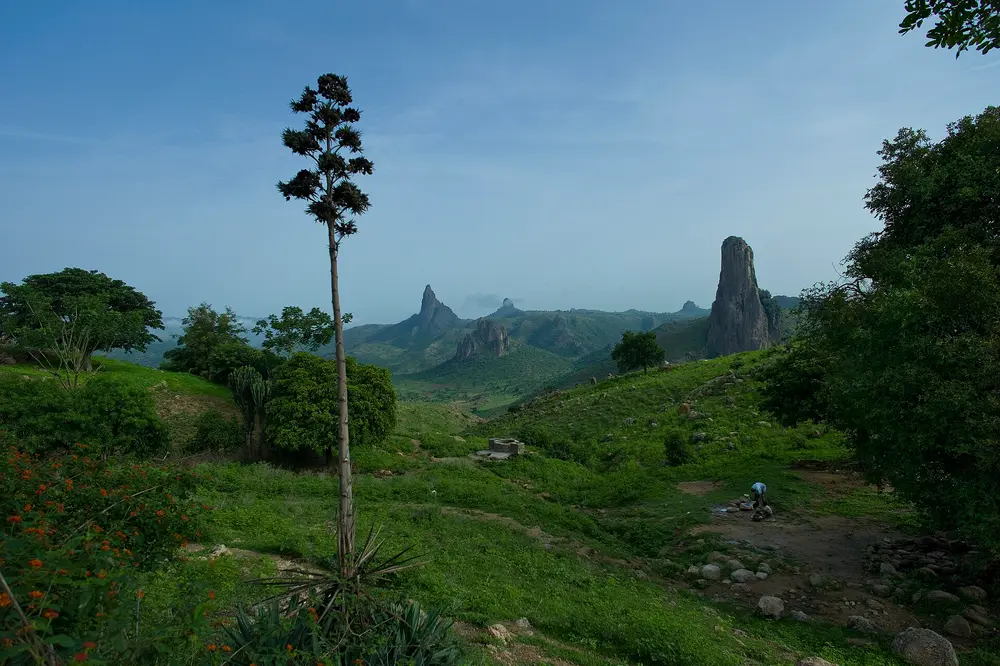
Until the early 2010s the Far North was Cameroon's main tourist circuit: the volcanic peaks of Rhumsiki, the Mandara Mountains, Waza National Park's elephants and giraffes, and the markets of Maroua. Kidnappings of foreigners from 2013 and the spread of Boko Haram attacks from Nigeria ended that. The region's Diy-Gid-Biy archaeological sites were inscribed as a UNESCO World Heritage site in July 2025, but France's advice explicitly keeps the Mandara Mountains in its red zone despite that inscription.
As of November 2026 the UK advises against all travel to the region except Maroua and a small radius around it (all but essential travel only), and the US and France advise against all travel. Read our Maroua, Rhumsiki & Waza guide for background and for what would need to change before tourism there can resume.
Crime and everyday precautions in cities
Armed robbery and mugging are a risk in Yaoundé, Douala, Ngaoundéré and Bafoussam, particularly in less developed districts and after dark (FCDO, German Foreign Office). Most visitors avoid trouble with simple habits:
- Don't walk alone at night; use a hotel car, a ride arranged by your hotel or a driver you know. The FCDO warns that unofficial taxis have been linked to robberies.
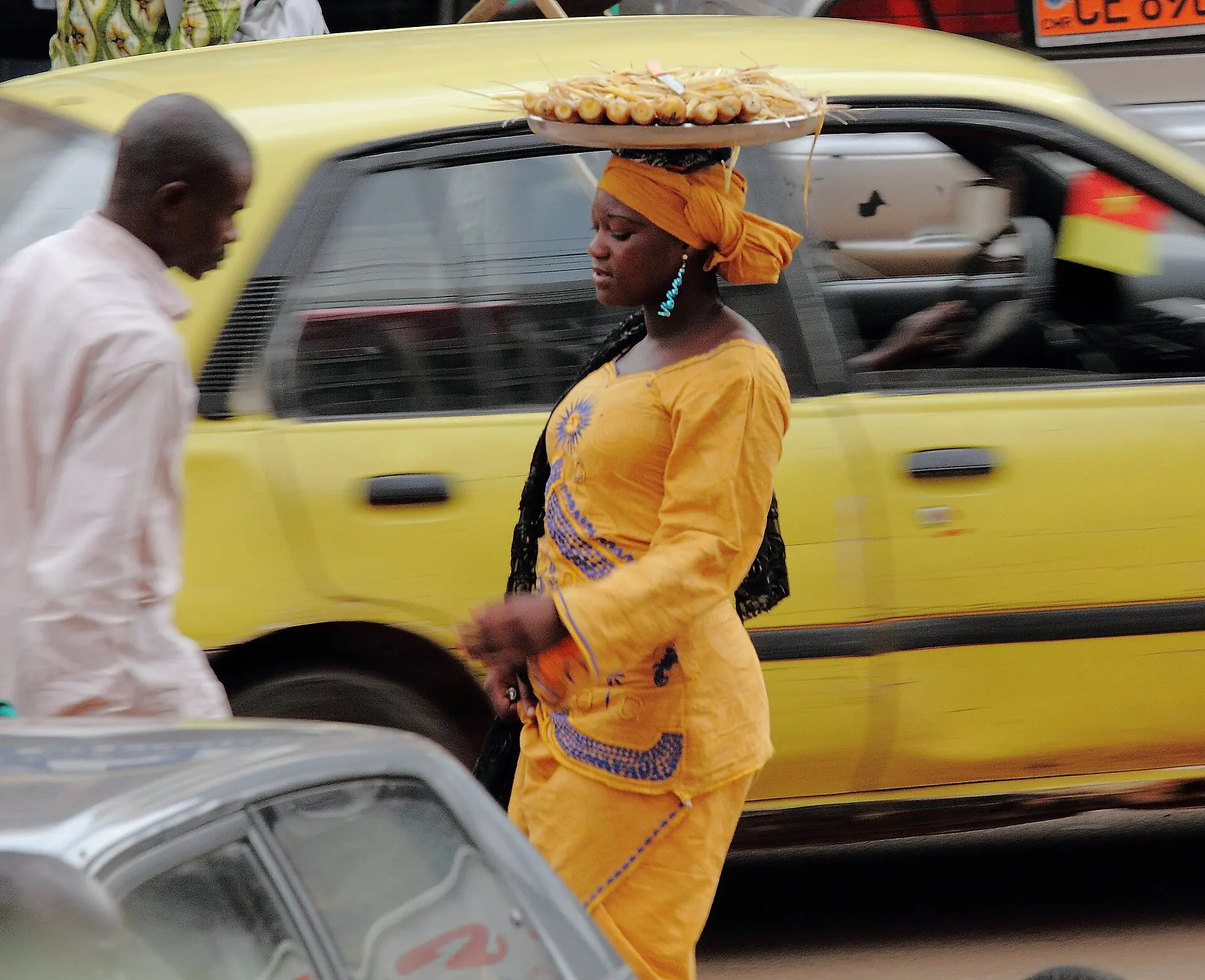
- When you do take a shared yellow taxi by day, sit in the back, keep valuables out of sight and agree the fare (a 'dépôt' — private hire — costs more than a shared seat).
- Carry a phone and a little cash in a front pocket; leave the passport in the hotel safe and carry a certified copy showing your visa.
- Use ATMs inside banks, shopping centres or hotels, by day.
- Be wary of new 'friends' offering business deals or romance online: internet and advance-fee scams originate here, as in many countries.
Police checkpoints, ID and photography
Police and gendarmerie checkpoints are common on highways and at town entrances. Have your passport (or certified copy with visa) and vehicle papers ready, stay polite and patient, and do not pay 'fines' without a written receipt — the FCDO advises asking for a ticket rather than paying a bribe. Carrying ID is compulsory and police can detain you without it.
Photography of military sites, government buildings, airports, bridges and ports is illegal; the Reunification Monument in Yaoundé is fine, the Presidential Palace is not. Officials sometimes ask for a 'photo permit' — politely put the camera away instead. Always ask people before photographing them, especially at chiefdoms, markets and religious sites.
Roads and getting around safely
Road accidents are a bigger statistical risk than crime. Many roads are unlit and potholed, overtaking is aggressive and the Douala–Yaoundé N3 has frequent serious accidents. Travel by day only, choose an established bus company or a driver recommended by your hotel or agency, and wear a seat belt. Moto-taxis ('bend-skins') are everywhere and cheap but involved in many accidents; if you use one, insist on a helmet.
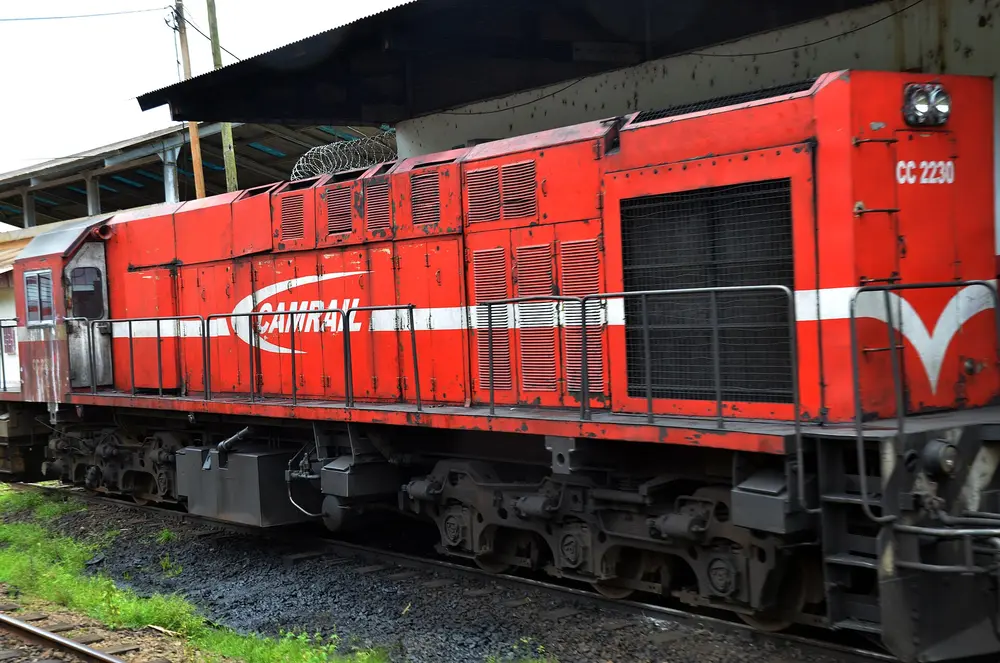
Between cities, mobile coverage can drop out. For remote forest trips (Dja, Lobéké), travel with an organised operator who carries communications equipment. See getting around Cameroon for buses, trains and flights.
Health: vaccinations, malaria and current alerts
A yellow fever vaccination certificate is an entry requirement. Malaria is present throughout the country all year, including in Douala and Yaoundé: take prophylaxis, use repellent and sleep under a net or in screened, air-conditioned rooms. Typhoid, hepatitis A and up-to-date routine vaccines are usually recommended — follow your travel clinic (TravelHealthPro in the UK, the CDC in the US).
Current alerts as of November 2026: France reports a cholera outbreak in the North and Far North regions and a rise in suspected mpox cases, notably in the Littoral and around Kribi; the FCDO notes thermal screening at Yaoundé-Nsimalen and Douala airports linked to the Ebola outbreak in the Democratic Republic of the Congo. Drink bottled or treated water, wash hands often and avoid swimming in still fresh water (bilharzia).
Private clinics in Douala and Yaoundé handle routine problems; serious cases are often evacuated abroad, so medical evacuation cover is essential.
Money, costs and paying
Cameroon uses the Central African CFA franc (XAF), issued by the regional central bank BEAC and pegged at 655.957 XAF to €1. It is not interchangeable with the West African CFA franc (XOF) used in Senegal or Côte d'Ivoire, although both have the same value. Euros are the easiest foreign currency to exchange; US dollars work at banks and bureaux.
- Cash rules outside the big hotels: carry small notes (1,000 and 2,000 XAF) for taxis, markets and tips.
- ATMs in Douala, Yaoundé, Kribi, Bafoussam and other towns; Visa is accepted far more widely than Mastercard.
- Cards are taken by international hotels, some restaurants and supermarkets — expect a surcharge sometimes.
- Mobile money (MTN MoMo, Orange Money) is how Cameroonians pay for almost everything; with a local SIM you can use it too.
- Tipping: not compulsory; round up taxis, leave about 5–10 % in sit-down restaurants and tip guides and drivers at the end of the trip.
Indicative costs (November 2026, they change): a shared taxi ride in town costs a few hundred francs; a meal of grilled fish with plantains in a local restaurant a few thousand; a mid-range hotel in Douala or Yaoundé typically starts around the equivalent of €60–100 a night, and international hotels cost much more. A car with driver for the day, including fuel, is a significant part of most budgets — agree the price in advance.
Connectivity, power and practicalities
- SIM cards: MTN, Orange and the state operator Camtel/Blue sell prepaid SIMs; registration requires your passport. 4G covers cities and main roads.
- Power: 220 V, 50 Hz, European two-pin plugs (types C and E). Outages happen — a power bank helps.
- Time zone: West Africa Time, UTC+1 all year (no daylight saving).
- Languages: French in eight regions, English in the North-West and South-West; Pidgin English and Camfranglais are widely spoken. A few words of French go a long way.
- Water: drink bottled water; brands are sold everywhere.
Etiquette and cultural tips
Greetings matter: shake hands, ask how people are and take your time before getting to business. Elders and traditional rulers are shown great respect — at a chefferie (chiefdom) or the Sultan's palace in Foumban, follow your guide's lead on dress, where to walk and whether you may photograph. Some sacred areas are closed to visitors or to women or men.
Dress is relaxed in Douala and Kribi but more conservative in the Muslim north and at religious sites. Bargaining is normal in markets and craft shops, not in supermarkets. Same-sex sexual acts are illegal in Cameroon and prosecutions have occurred; LGBT+ travellers should be discreet (FCDO). Possession of drugs is punished severely.
Women travellers
Women travel in Cameroon, alone and in groups, but attention from men can be persistent in cities and on transport. Dress modestly, sit next to other women on buses where possible, use known drivers at night and be firm but polite. Many female travellers find a local female guide or companion helpful for markets and festivals.
Emergency contacts
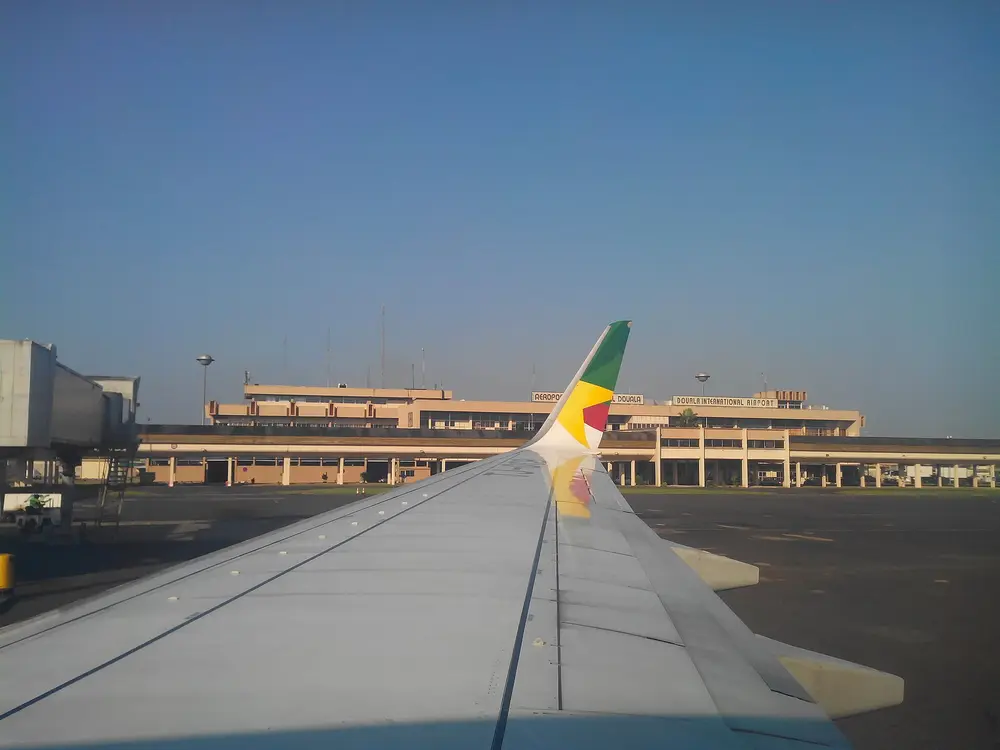
Save your embassy's contact details before travelling — the UK, US, France, Germany, the Netherlands and China all have embassies in Yaoundé. Local emergency numbers are 117 (police) and 118 (fire brigade); for medical emergencies, private clinics in Douala and Yaoundé are usually faster than calling a public number. Keep your insurer's 24-hour assistance number with you.
Frequently asked questions
Is Cameroon safe for tourists in 2026?
Most of the south — Douala, Yaoundé, Kribi, the West — is visited without major problems, with big-city precautions. The North-West, most of the South-West, the Far North and border zones are under 'do not travel' advice from the UK, US and/or France as of November 2026.
Can I visit Limbe or climb Mount Cameroon?
The UK advises against all but essential travel to Limbe and against all travel to Buea, where Mount Cameroon climbs start. The US advises against all travel to the South-West. Climbing Mount Cameroon as a tourist is therefore not advisable at present.
Is Kribi safe?
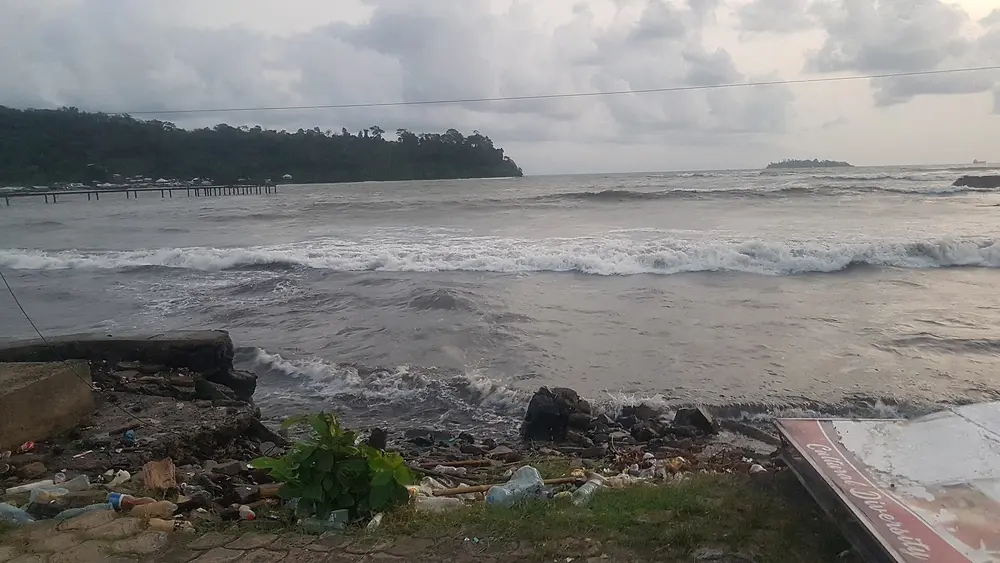
Kribi is not under any travel restriction from the UK or US; France places the South region under heightened vigilance. Take normal precautions, watch for strong currents and note France's November 2026 mpox alert mentioning Kribi.
Do I need to carry my passport?
Carry ID at all times — ideally a certified copy of your passport with the visa page — and keep the original somewhere safe. Police can detain people without ID.
What vaccinations do I need for Cameroon?
Yellow fever is compulsory for entry. Malaria prevention, typhoid, hepatitis A and routine vaccines are usually recommended — check with a travel clinic 4–8 weeks before you go.
Sources and official information
Facts were checked against these official and primary sources in November 2026. Security advice, visa rules, prices and timetables change, so confirm before you go.
- gov.uk
- gov.uk
- travel.state.gov
- diplomatie.gouv.fr
- diplomatie.gouv.fr
- nederlandwereldwijd.nl
- auswaertiges-amt.de
- travelhealthpro.org.uk
- wwwnc.cdc.gov
- beac.int
VisitCameroon.com is an independent guide, not the official site of the Ministry of Tourism and Leisure (MINTOUL), the Government of Cameroon or any operator. Some links are affiliate links: hotels go to Booking.com and tours to GetYourGuide, and we may earn a commission at no extra cost to you.