In short
- Who needs a visa: almost all nationalities, including UK, EU, US, Canadian, Australian and Chinese passport holders. A few African neighbours are exempt — check with your nearest Cameroonian embassy.
- How: apply online at the official portal evisacam.cm; you receive an approval with a QR code by email; biometrics and the visa sticker are done on arrival at the airport (or at some embassies beforehand).
- Fees (example): the Cameroon High Commission in London lists €153 for a standard short-stay visa and €229 express (November 2026); fees are non-refundable.
- Not valid by land or sea: e-visas are accepted at airports only. Arriving overland, you need a visa from an embassy.
- Also required: passport valid 6 months after arrival and a yellow fever vaccination certificate.
Who needs a visa for Cameroon?
Cameroon requires a visa from almost all visitors. That includes citizens of the United Kingdom, the European Union (Germany, the Netherlands, Belgium, France…), the United States, Canada, Australia and China. Visas are not issued on arrival at Yaoundé or Douala in the sense of a walk-up visa: you must have applied online, or hold a visa from an embassy, before you fly (FCDO).
Citizens of some Central African (CEMAC) countries travel visa-free, and Cameroon has bilateral arrangements with others; these change, so confirm with the Cameroonian embassy or high commission responsible for your country.
The e-visa, step by step
The Cameroon High Commission in London says standard applications are processed within 72 hours after payment and express ones within 24 hours, and recommends applying at least 10 days before travel and no more than six months ahead. The FCDO warns that some applicants experience technical problems with the portal — leave plenty of time.
- Create an account on the official portal evisacam.cm (beware of look-alike sites that charge extra) and fill in the application in English or French.
- Upload the documents requested — typically a passport scan and photo, and supporting documents such as a hotel booking, invitation letter or return ticket. Requirements vary by purpose; the portal lists them.
- Pay online by card or mobile payment. The application only becomes valid once paid, and you receive proof by email.
- The diplomatic mission responsible for your country reviews it. If approved, you receive an e-visa authorisation with a QR code by email — print it.
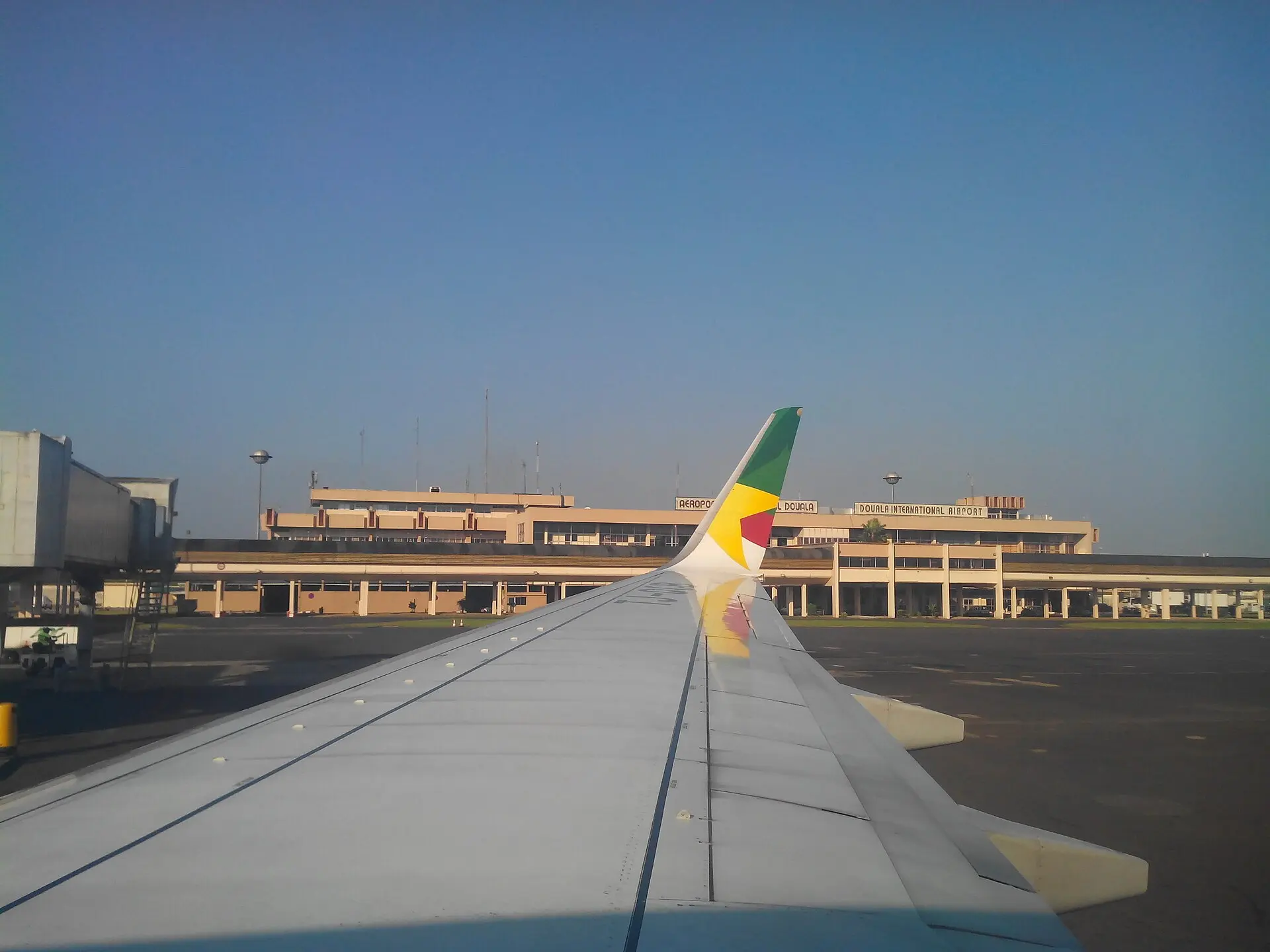
- On arrival at Yaoundé-Nsimalen or Douala, go to the e-visa desk for biometric enrolment and the visa itself; some embassies (such as the High Commission in London) can also affix it before departure.
Fees, validity and length of stay
Fees depend on your nationality and the issuing mission. As an example, the High Commission in London lists, as of November 2026, €153 for a normal short-stay visa (1–180 days) and €229 for express processing. Fees are non-refundable even if the visa is refused. Short-stay visas can be single or multiple entry and allow stays of up to 180 days; you must leave before the visa's expiry date and not exceed the authorised stay.
Prices on third-party websites are often higher because they add a service charge. Only the official portal and your embassy are authoritative.
What entry costs, at a glance
| Item | Typical cost | Notes |
|---|---|---|
| Short-stay e-visa (example: London High Commission) | €153 standard · €229 express | Non-refundable; fees vary by nationality and mission |
| Yellow fever vaccination | Set by your travel clinic | Certificate required for travellers aged 1 and over (CDC) |
| Malaria prophylaxis | Set by your pharmacy | Recommended for the whole country |
| Travel insurance with evacuation | Varies | Check it covers Cameroon and your activities |
| Third-party 'visa services' | Extra fees | Not needed — apply on evisacam.cm |
Passport, yellow fever and other entry rules
- Passport: valid at least 6 months after your arrival date, with blank pages. Entry is refused with a passport reported lost or stolen.
- Yellow fever: a vaccination certificate (the yellow 'carte jaune') is mandatory and is checked on arrival.
- Health screening: as of November 2026 the FCDO notes possible thermal screening at Nsimalen and Douala airports because of the Ebola outbreak in the DR Congo.
- Customs: declare valuable equipment (drones, professional cameras) and prohibited or taxable items. Drones generally need prior authorisation — don't bring one without it.
- Stamp: make sure the border officer stamps your passport; you may be asked for it when leaving.
Common mistakes to avoid
- Applying on a look-alike website that charges a large service fee — use evisacam.cm or your embassy.
- Applying too late: allow at least 10 days, more in peak periods, because the portal can have technical problems (FCDO).
- Forgetting the yellow-fever certificate — you can be refused entry or vaccinated at the airport at your own cost.
- Planning to arrive overland on an e-visa: it is valid only at airports.
- Overstaying the dates on your visa: fines and problems on departure follow.
- Leaving without an entry stamp: check your passport at the desk.
Business, family and other visa types
Business visitors usually need an invitation letter from the Cameroonian company; family visitors an invitation and proof of the host's identity or residence. Journalists, researchers and film crews need specific accreditation, and filming in national parks requires authorisation from the Ministry of Forestry and Wildlife. Long stays and work require a residence permit issued in Cameroon.
Diaspora visitors who are Cameroonian-born but hold another nationality also need a visa — Cameroon does not generally recognise dual nationality.
Travelling with children or on business
Children need their own passport and visa. If a child travels with only one parent or with other adults, carry a signed consent letter from the absent parent(s) and a copy of the birth certificate — airlines and border officers may ask. Business travellers should carry their invitation letter and the host company's details in hand luggage, as officers sometimes ask about the purpose of the visit.
Registering with your embassy
Many governments run traveller-registration schemes (France's Ariane, the US STEP programme, the Netherlands' BZ informatieservice). Registering means you receive security messages and can be contacted in an emergency — recommended for Cameroon. The UK, US, France, Germany and the Netherlands all have embassies or high commissions in Yaoundé; several have consular offices in Douala.
Leaving Cameroon
On departure, you pass security, emigration and customs. Keep receipts for valuable crafts, and remember that exporting antiques, ivory, skins and protected species is prohibited. Arrive three hours before international flights from Douala or Yaoundé-Nsimalen, have your passport with its entry stamp ready, and keep some CFA francs for the airport — the currency is not easily exchanged outside the CEMAC zone, so change the rest before you leave.
Checklist for arrival
- Printed e-visa approval with QR code (and payment receipt).
- Passport valid 6 months beyond arrival, with blank pages.
- Yellow fever vaccination certificate.
- Address of your first hotel and a contact phone number.
- Return or onward ticket (may be asked for).
- Some cash in euros or CFA francs for the first day.
- Copies of all documents stored separately and digitally.
Frequently asked questions
Can I get a visa on arrival in Cameroon?
No walk-up visa: you must apply online at evisacam.cm (or at an embassy) before travel. With an approved e-visa, the biometric enrolment and visa are completed at the airport on arrival.
How long does the Cameroon e-visa take?
The High Commission in London states up to 72 hours after payment (24 hours express), but recommends applying at least 10 days ahead because of occasional technical problems.
How much does a Cameroon visa cost?
It depends on nationality and issuing mission. As an example, the London High Commission lists €153 for a standard short-stay visa and €229 express (November 2026).
Is the yellow fever vaccine mandatory for Cameroon?
Yes. Carry your international certificate of vaccination; it is checked on arrival.
Can I use the e-visa to enter Cameroon from Nigeria by road?
No. E-visas are accepted at airports only; overland arrivals need an embassy visa. Most land borders with Nigeria are also in areas under 'do not travel' advice.
Do I need an invitation letter for a Cameroon tourist visa?
Requirements depend on your nationality and the issuing mission; tourists usually provide a hotel booking or similar proof of accommodation. Follow the document list shown on evisacam.cm.
Do children need a yellow fever certificate for Cameroon?
Cameroon requires proof of yellow fever vaccination for all arriving travellers aged 1 year and older, according to the CDC (November 2026). Ask your travel clinic about infants.
Can I extend my Cameroon visa in the country?
Extensions are handled by the immigration services of the General Delegation for National Security; it is far simpler to apply for the right length of stay before you travel.
Is the Cameroon e-visa a single or multiple entry visa?
Short-stay visas can be single or multiple entry, depending on what you apply and pay for; check the entries and dates on your approval.
Sources and official information
Facts were checked against these official and primary sources in November 2026. Security advice, visa rules, prices and timetables change, so confirm before you go.
- evisacam.cm
- cameroonhighcommission.co.uk
- gov.uk
- travel.state.gov
- travelhealthpro.org.uk
- jaunde.diplo.de
- nederlandwereldwijd.nl
- wwwnc.cdc.gov
VisitCameroon.com is an independent guide, not the official site of the Ministry of Tourism and Leisure (MINTOUL), the Government of Cameroon or any operator. Some links are affiliate links: hotels go to Booking.com and tours to GetYourGuide, and we may earn a commission at no extra cost to you.