In short
- Fly into Douala (DLA), the business hub and closest to Kribi and the West, or Yaoundé-Nsimalen (NSI), 20–30 minutes south of the capital.
- Intercity coaches are the backbone: Douala–Yaoundé about 4–5 hours, Douala–Kribi about 3 hours, Douala–Bafoussam about 5 hours. Travel by day.
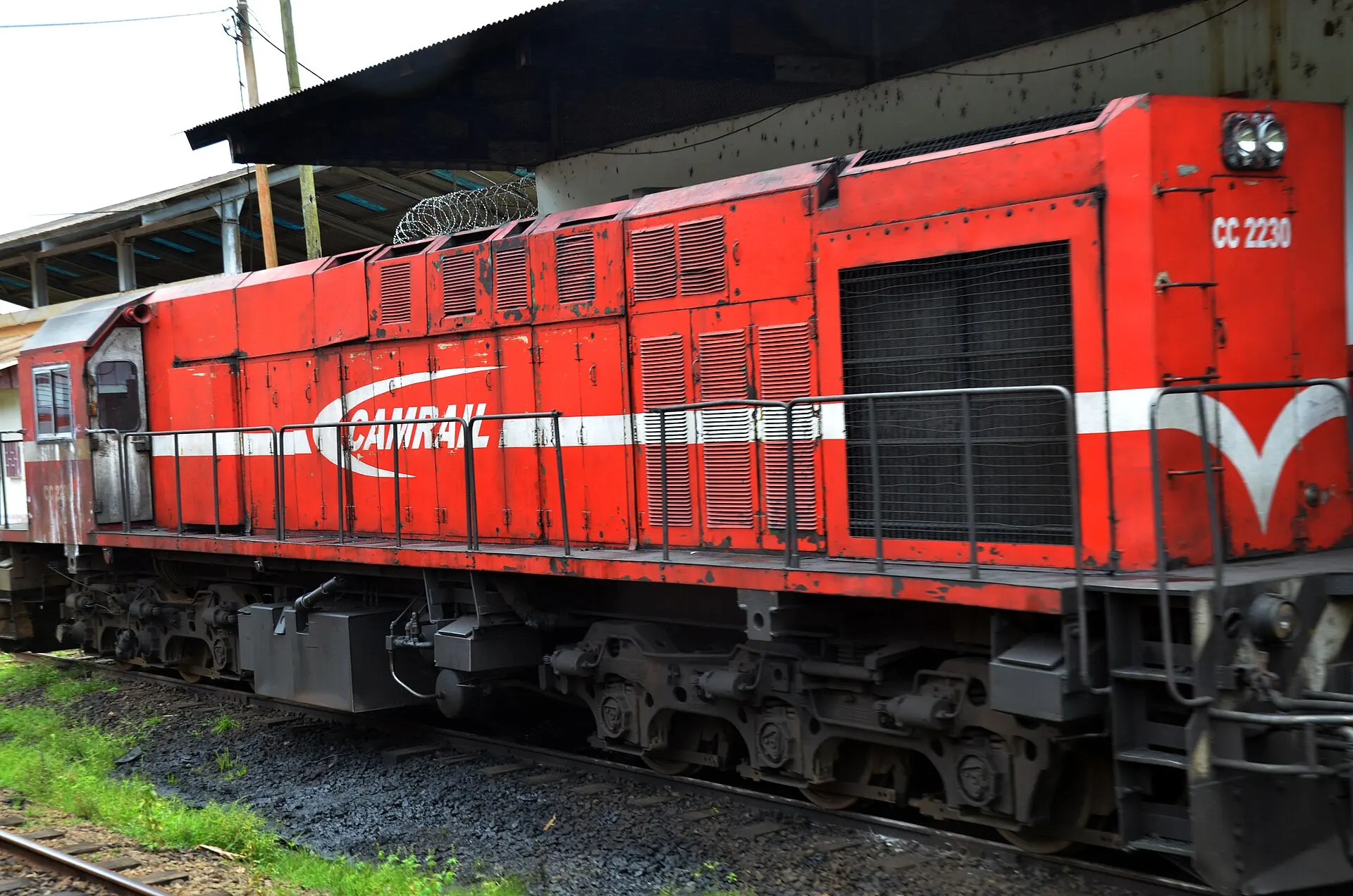
- Camrail trains link Douala, Yaoundé and Ngaoundéré; the overnight Yaoundé–Ngaoundéré sleeper is a classic trip (check timetables locally).
- Car with driver is the most practical way to tour the West, Kribi and Campo; self-drive is possible but demanding.
- Domestic flights (Camair-Co) mainly serve Garoua, Maroua and Ngaoundéré — mostly regions under travel advice.
Flying to Cameroon
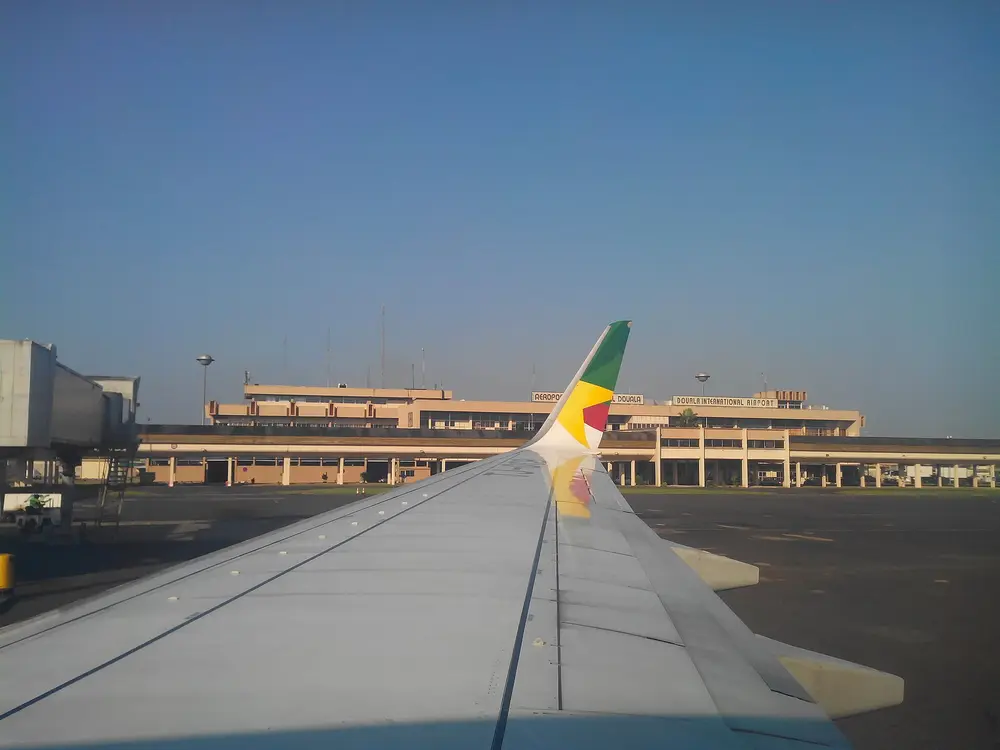
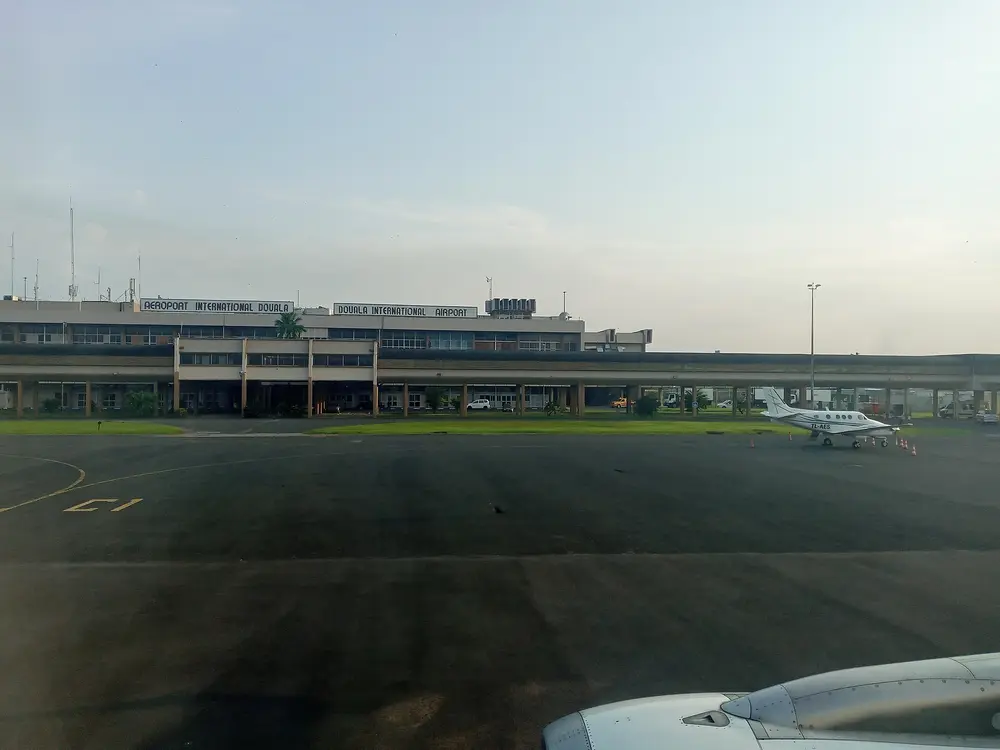
Cameroon has two main international airports. Douala International (DLA) is the busiest, about 10 km from the city centre, and is the natural gateway for Kribi, Limbe and the Western Highlands. Yaoundé-Nsimalen (NSI) lies about 25 km south of the capital. Both are operated by Aéroports du Cameroun (ADC).
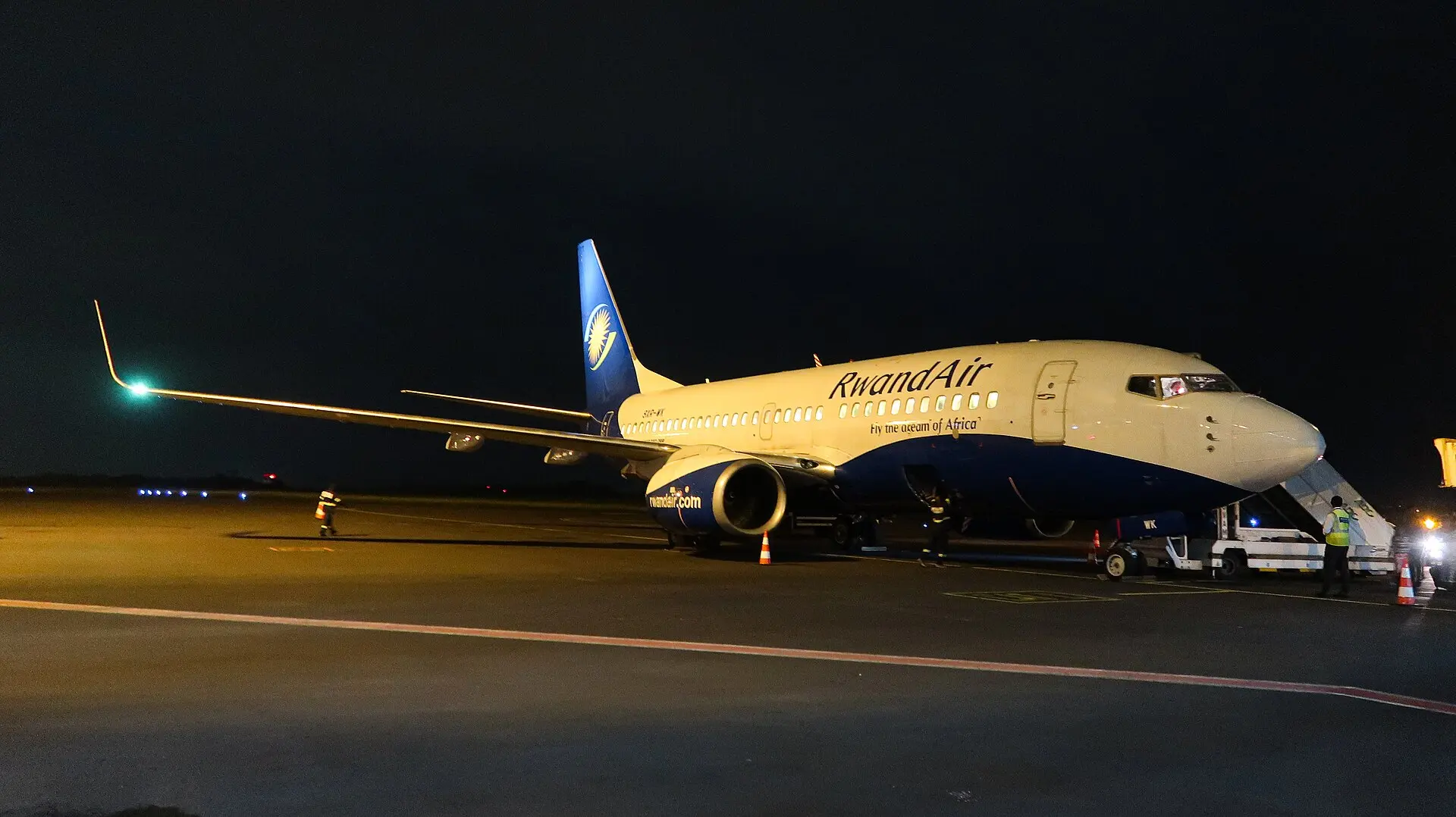
Direct flights from Europe connect Paris (Air France) and Brussels (Brussels Airlines) with Douala and/or Yaoundé; Turkish Airlines flies via Istanbul. Ethiopian (Addis Ababa), Royal Air Maroc (Casablanca), RwandAir (Kigali), Kenya Airways (Nairobi), ASKY (Lomé) and others offer one-stop connections from Europe, Asia and North America, and from China via Addis Ababa. Routes and frequencies change by season — check the airlines directly.
On arrival, allow time for the e-visa biometric desk, immigration and yellow-fever certificate checks. Pre-book a hotel transfer, especially for evening arrivals; official airport taxis exist, but a known driver is simpler and safer.
Intercity coaches: the way most people travel
Private coach companies run frequent services between the main cities from their own depots ('agences'), not from a central bus station. On the Douala–Yaoundé corridor several companies offer 'VIP' or 'classique' coaches with air conditioning and reserved seats; on other routes buses are older and fill before leaving. Buy tickets at the agency the day before if you can, bring your ID (passengers are registered) and choose daytime departures.
Indicative journey times in good conditions (they lengthen in the rains and with checkpoints):
| Route | Distance | Time by road | Notes |
|---|---|---|---|
| Douala – Yaoundé | ≈ 240 km | 4–5 h | N3 via Edéa; busy, accident-prone — daylight only |
| Douala – Kribi | ≈ 170 km | 2.5–3.5 h | Via Edéa; frequent coaches |
| Yaoundé – Kribi | ≈ 270 km | 4–5 h | Via Edéa, or the newer route via Lolodorf when road works allow |
| Douala – Bafoussam | ≈ 250 km | 4.5–5.5 h | Via Nkongsamba and the Santchou cliffs road |
| Bafoussam – Foumban | ≈ 70 km | 1.5 h | Good tarmac |
| Bafoussam – Dschang | ≈ 55 km | 1.5 h | Hilly road through coffee country |
| Yaoundé – Bafoussam | ≈ 300 km | 5–6 h | Via Bafia and the Mbam bridge |
| Kribi – Campo | ≈ 80 km | 1.5–2 h | Partly unpaved; Ebodjé lies just before Campo |
Coach companies and how to use them
Long-established companies such as Touristique Express, General Express and Buca Voyages serve the main corridors (Douala–Yaoundé, Douala–Bafoussam, Yaoundé–Bafoussam, Douala and Yaoundé to Kribi); many others run regional routes. Each departs from its own depot, often grouped in districts such as Akwa-Nord, Ndokoti and Bonabéri in Douala and Mvan in Yaoundé. Buy tickets in person with your passport the day before, arrive 30–45 minutes early, and keep valuables in your hand luggage. Services run from early morning; choose departures that arrive well before dark.
Trains: Camrail
Cameroon's railway, operated by Camrail, links Douala and Yaoundé and continues from Yaoundé north to Ngaoundéré on the Adamawa plateau. The overnight Yaoundé–Ngaoundéré train with sleeper cabins and seats is one of the great African rail journeys and the main overland link to the north; the journey takes roughly 15–16 hours. Between Douala and Yaoundé, passenger services have been reorganised several times since the 2016 Eséka accident, and express trains have run on this line in recent years.
Camrail sells tickets at the stations (Bessengue in Douala, the central station in Yaoundé) and online via its MyCamrail service, which reportedly needs a mobile-money account. The timetable below is as published by Seat61 (page updated January 2026); confirm on camrail.net or at the station before relying on it. Ngaoundéré itself is not under 'do not travel' advice, but the UK advises against all but essential travel to the North region and to the parts of Adamawa within 20 km of it; the FCDO also lists Ngaoundéré among cities with armed-robbery risk.
| Route | Departs | Arrives | One-way fares |
|---|---|---|---|
| Douala → Yaoundé (express, daily) | 6:30 AM | ≈ 11:15 AM | 1st 10,000 XAF · premium 6,000 XAF |
| Yaoundé → Douala (express, daily) | 5 PM | ≈ 9:45 PM | 1st 10,000 XAF · premium 6,000 XAF |
| Yaoundé → Ngaoundéré (overnight, daily) | 7:50 PM | ≈ 12:30 PM next day | Sleeper 25,000–28,000 · 1st seat 17,000 · 2nd 10,000 XAF |
| Ngaoundéré → Yaoundé (overnight, daily) | 7:15 PM | ≈ 11 AM next day | As above |
Car with driver, or self-drive?
For a West Region tour of chiefdoms and museums, or for Kribi and Campo, a car with driver booked through your hotel or a licensed agency is the most practical and safest option: drivers know the checkpoints, the road conditions and where to eat. Agree in advance what the daily rate covers (fuel, driver's meals and lodging, tolls, parking) and get it in writing.
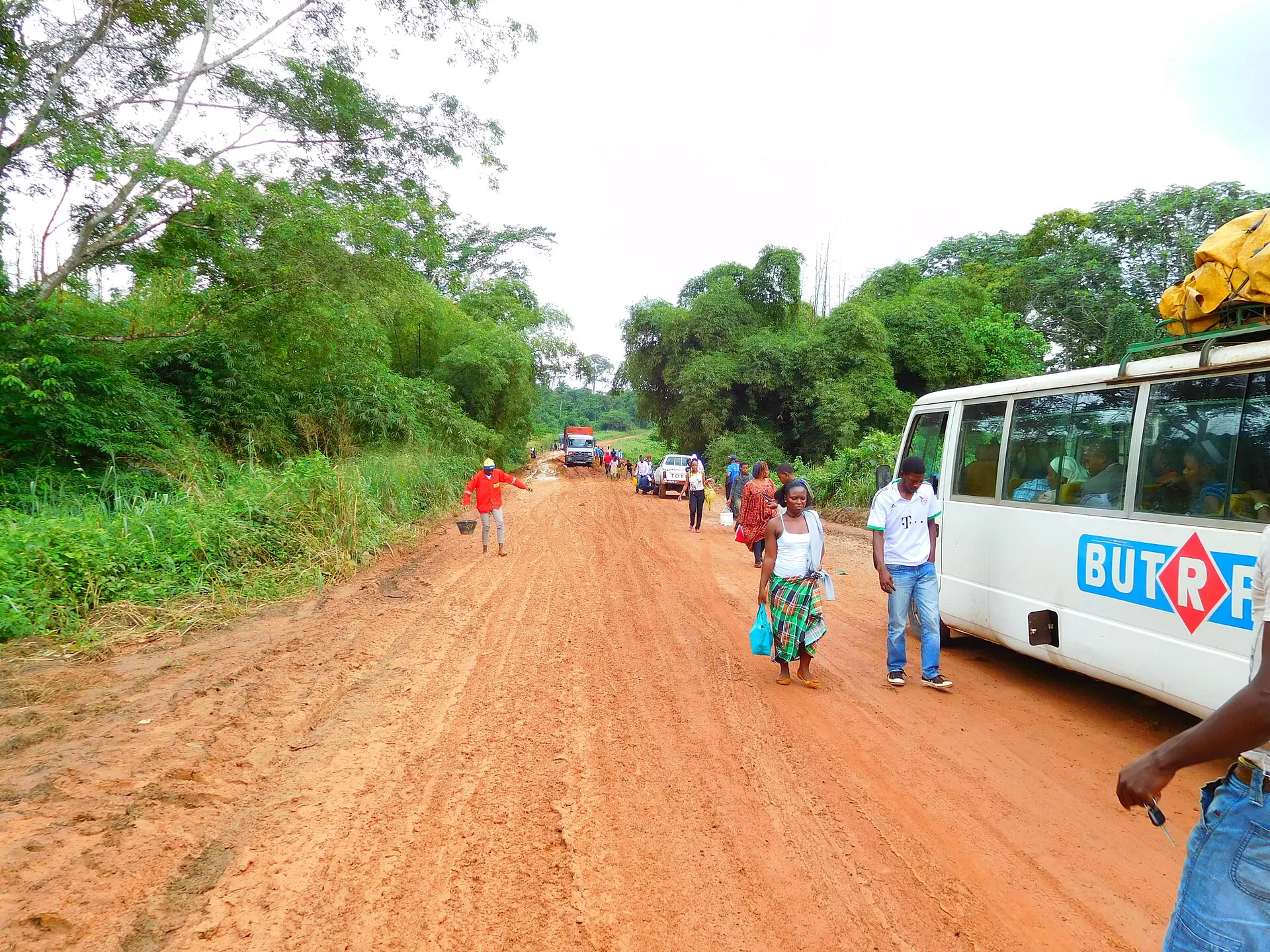
Self-drive rental exists in Douala and Yaoundé, usually with a large deposit. You need an international driving permit, a cool head for city traffic and patience at checkpoints. Drive on the right, never at night, and keep vehicle papers and insurance in the car. A 4×4 is essential for forest trips beyond the main roads, especially in the rains.
Domestic flights
The national airline Camair-Co connects Douala and Yaoundé with Garoua, Maroua and Ngaoundéré, and occasionally other towns; schedules change at short notice and delays are common. Most northern destinations are under travel advice: Garoua (North region) is in the UK's 'all but essential travel' category and Maroua is only reachable within a narrow area the UK classes the same way. Check the advice before booking any northern flight.
Getting around towns
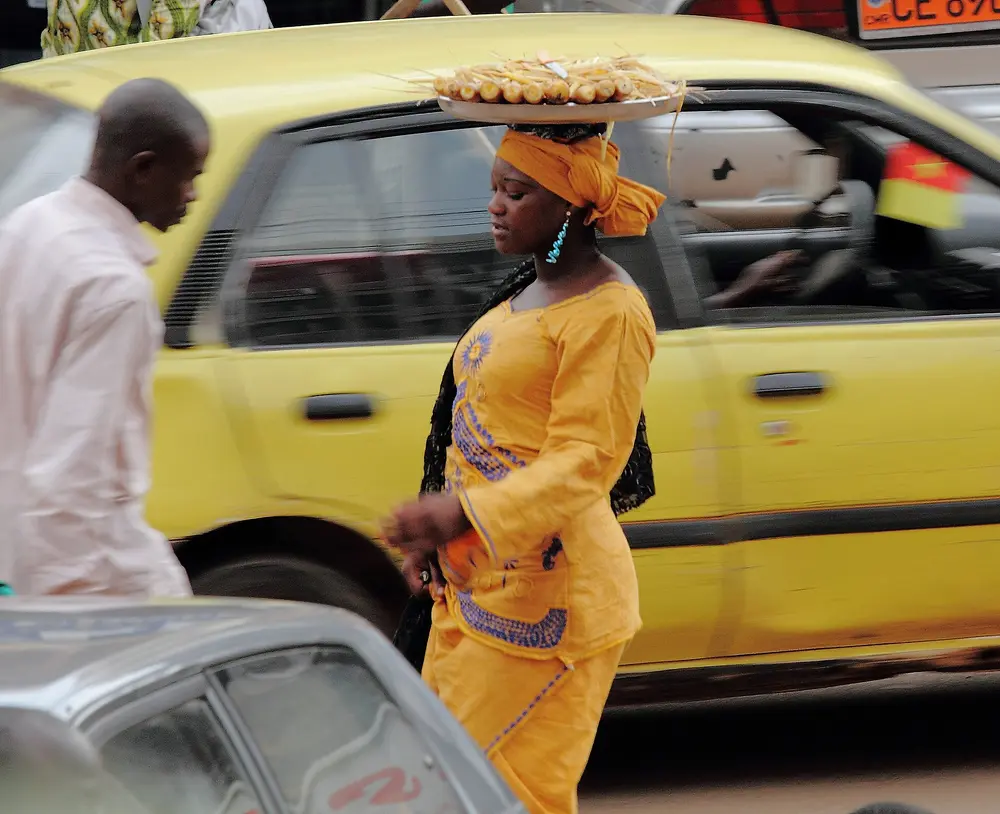
- Shared taxis: yellow taxis pick up several passengers on fixed routes; tell the driver your destination and the price you offer. For a whole car, ask for a 'dépôt' or 'course'.
- Ride-hailing: apps such as Yango operate in Douala and Yaoundé; availability varies.
- Moto-taxis: fast and cheap but risky; helmets are often missing.
- Hotel drivers: the safest option at night and for airport runs.
What getting around costs
- Shared taxi in town: 350 XAF per seat by day and 400 XAF at night — official fares set by the Ministry of Commerce in February 2024.
- Intercity coach: fares follow fuel prices; the classic Douala–Yaoundé ticket was set at 3,500 XAF in December 2021 and has risen since, and VIP seats cost considerably more. Ask at the depot.
- Train: 6,000–10,000 XAF one way on the Douala–Yaoundé express; 10,000–28,000 XAF Yaoundé–Ngaoundéré (Seat61, January 2026).
- Fuel: nationally fixed prices; petrol (super) was set at 840 XAF per litre in February 2024.
- Car with driver: quoted per day by hotels and agencies; check whether fuel, the driver's meals and lodging and tolls are included.
Boats and ferries
There are no regular passenger ferries for visitors along Cameroon's coast. Pirogues take people on rivers and estuaries — on the Lobé at Kribi, the Ntem at Campo, the Nyong at Ebogo, the Dja in the reserve — and local boats cross to fishing islands in the Wouri estuary. Insist on life jackets and avoid going out in storms. France advises against pleasure boating in the Gulf of Guinea because of piracy, and approaching within 500 m of an oil platform is prohibited.
Borders and neighbouring countries
Overland travel to neighbouring countries is difficult. Land borders with Nigeria, Chad and the Central African Republic lie in areas under 'do not travel' advice; the routes south to Gabon and Equatorial Guinea (via Ambam and Kyé-Ossi) are open but slow, and e-visas are not valid at land borders. Germany's Foreign Office describes onward overland travel to neighbouring countries as extremely problematic. Most travellers combine Cameroon with other countries by air.
Accessibility
Cameroon is challenging for travellers with reduced mobility: pavements are uneven or absent, few buildings have lifts or ramps outside international hotels, and buses are not adapted. A private car with a driver and hotels chosen in advance (ask for ground-floor rooms and photos of bathrooms) make travel possible; airports can assist with boarding if requested in advance through the airline.
Frequently asked questions
Which airport is best for visiting Cameroon?
Douala for Kribi, Limbe and the Western Highlands; Yaoundé-Nsimalen for the capital, the Dja and the south. Both have connections to Europe.
How long is the drive from Douala to Kribi?
About 170 km, typically 2.5–3.5 hours by coach or car via Edéa.
Is there a train from Douala to Yaoundé?
Camrail runs passenger trains between the two cities, but services and timetables have changed several times; check at the station a day or two before travelling.
Is it safe to drive in Cameroon?
It is demanding: poor road surfaces, fast overtaking, checkpoints and no lighting. Drive only by day, or hire a car with an experienced driver.
How much is a taxi in Cameroon?
In Douala and Yaoundé a seat in a shared taxi officially costs 350 XAF by day and 400 XAF at night (February 2024). Hiring the whole car is negotiated.
What time does the Douala–Yaoundé train leave?
According to Seat61's January 2026 timetable, the express leaves Douala at 6:30 AM and Yaoundé at 5 PM local time daily, taking about 4 h 45 min. Confirm with Camrail before travelling.
Sources and official information
Facts were checked against these official and primary sources in November 2026. Security advice, visa rules, prices and timetables change, so confirm before you go.
- adcsa.aero
- camair-co.cm
- gov.uk
- auswaertiges-amt.de
- ethiopianairlines.com
- diplomatie.gouv.fr
- seat61.com
- cameroon-tribune.cm
- camrail.net
VisitCameroon.com is an independent guide, not the official site of the Ministry of Tourism and Leisure (MINTOUL), the Government of Cameroon or any operator. Some links are affiliate links: hotels go to Booking.com and tours to GetYourGuide, and we may earn a commission at no extra cost to you.