- Region
- South-West Region (Fako division)
- How long
- Not advised for leisure (Nov 2026)
- From Douala
- ≈ 70 km · 1.5 h
- Mount Cameroon
- ≈ 4,040 m, active volcano
- UK advice
- Limbe: essential travel only · Buea: against all travel
- US advice
- South-West: Level 4, do not travel
In short
- Current advice (November 2026): UK — all but essential travel to Limbe and the 35 km N3 to the Littoral; against all travel to Buea, Tiko and the rest of the South-West. US — Level 4, do not travel to the South-West. France — orange (only if imperative), red near the Nigerian border. Netherlands — orange.
- What makes it famous: Limbe's black-sand beaches, the Limbe Botanic Garden (1892), the Limbe Wildlife Centre, the Bimbia slave-trade site and Mount Cameroon (≈ 4,040 m).
- Mount Cameroon is climbed from Buea, where the UK advises against all travel — climbing is not advisable at present.
- This page is for background, essential travellers and future planning.
Read this first: the travel advice
Limbe lies in the South-West Region, one of the two English-speaking regions affected since 2017 by conflict between separatist armed groups and the security forces. As of November 2026:
- UK FCDO: advises against all but essential travel to Limbe and the 35 km stretch of the N3 linking it to the Littoral Region, and against all travel to the rest of the South-West, explicitly including Buea, Muyuka and Tiko.
- US State Department: South-West Region is Level 4 — Do Not Travel, citing terrorism, unrest, crime, kidnapping and IEDs.
- France (MEAE): the region is orange ('déconseillé sauf raison impérative'), with red zones on the Bakassi peninsula, around Korup National Park and west of Kumba and Mamfe; the slopes of Mount Cameroon are currently not recommended because of the unrest.
- Netherlands: east and south of the South-West Region (which includes Limbe) are orange — essential travel only; the west of the region is red.
Travel insurance may be invalid if you travel against your government's advice. If you must travel for essential reasons, follow local security advice, respect curfews, avoid gatherings and take advice on escorts.
Guides & permits for Limbe & Mount CameroonWho to book, what licences to ask for and what it costs — our practical guide.
Read the guideLimbe: the town and its beaches
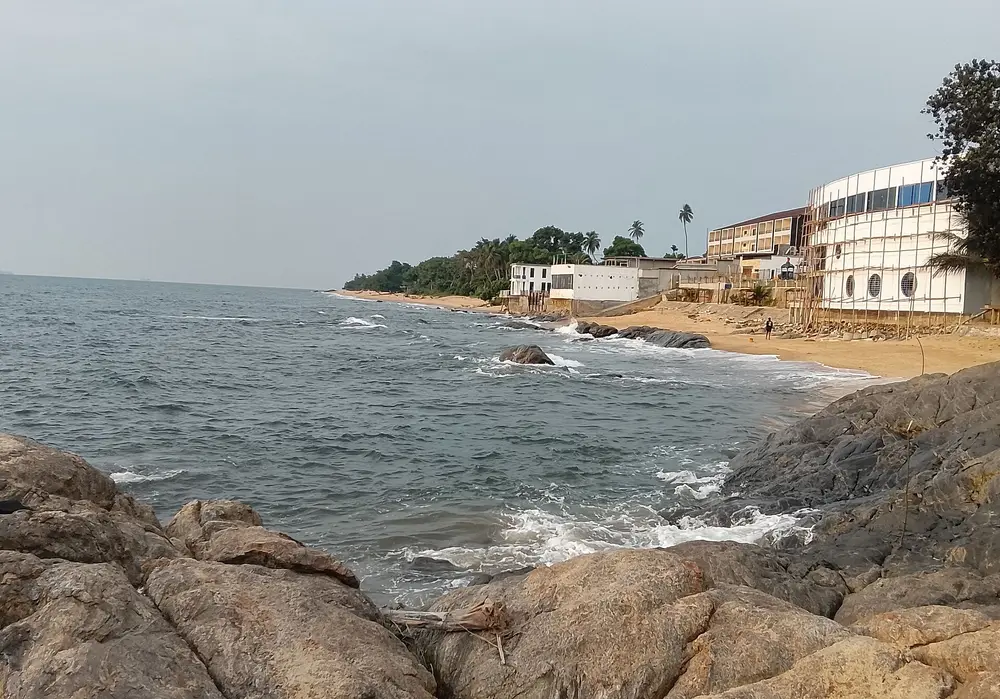
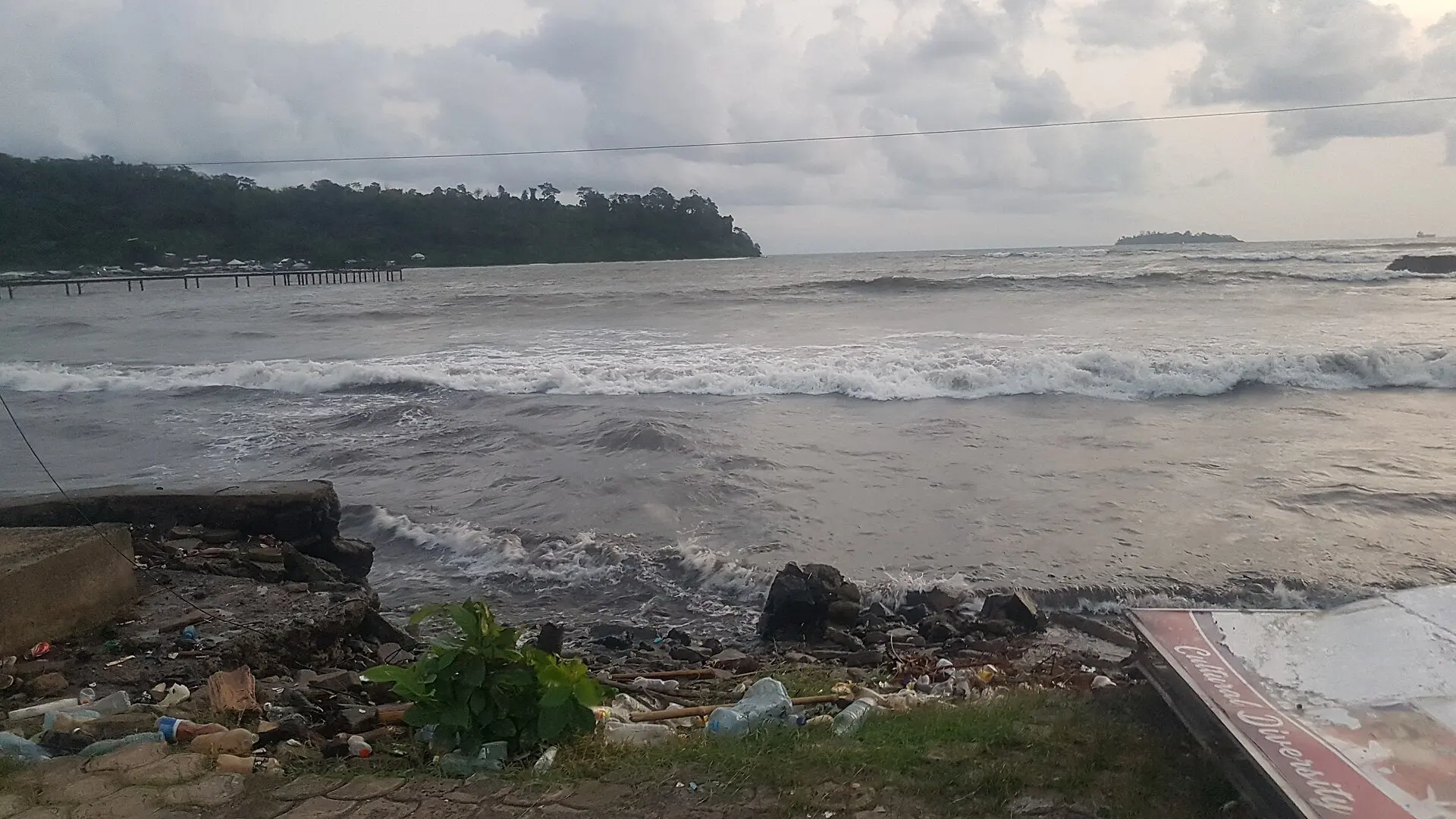
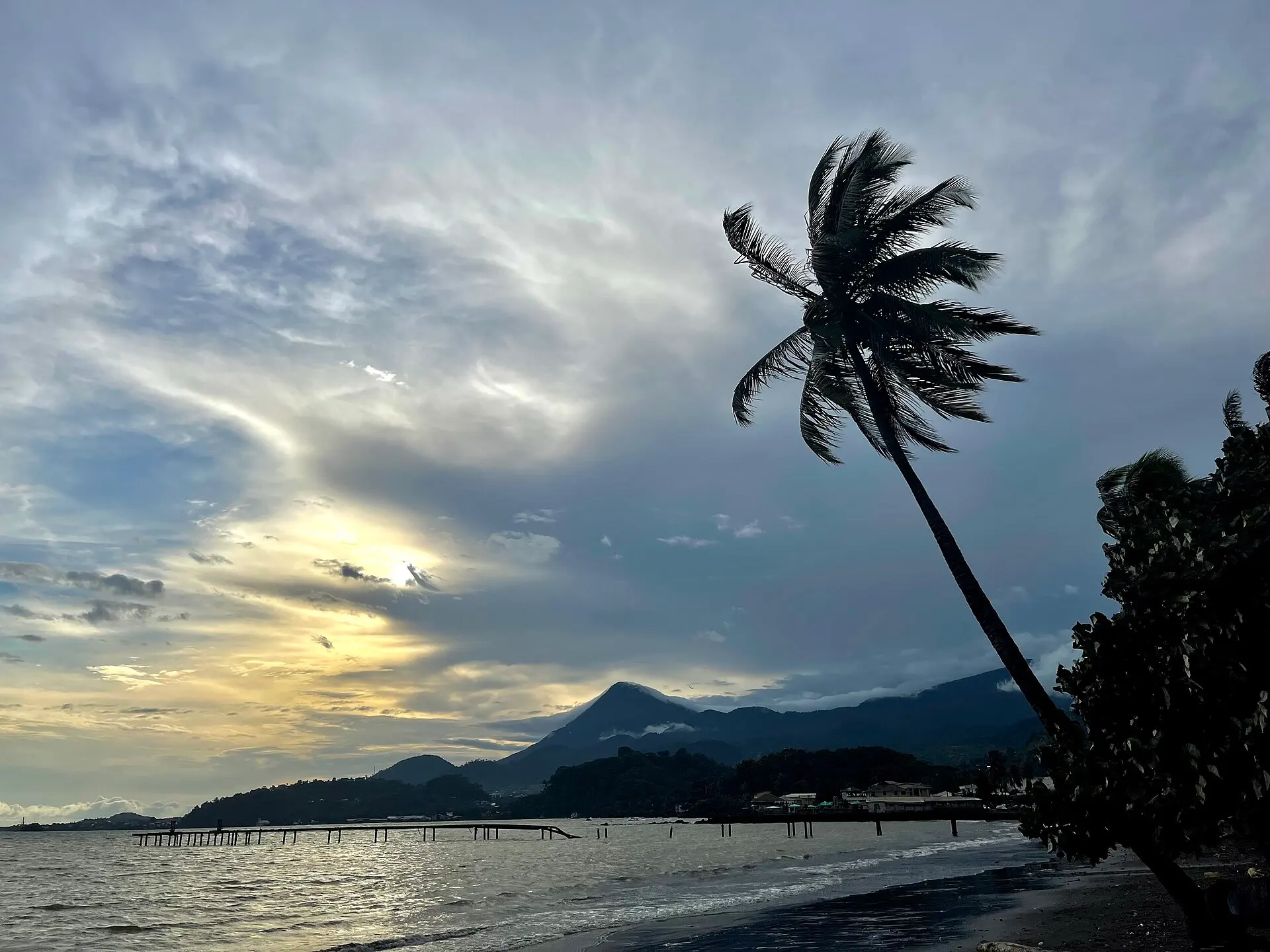
Founded in 1858 as Victoria by the Baptist missionary Alfred Saker, and renamed Limbe in 1982, the town sits on a bay facing the island of Bioko (Equatorial Guinea). Its beaches are made of black volcanic sand, from the lava flows of Mount Cameroon, with names like Down Beach, Mile 6 and Seme Beach. Fishermen land their catch at Down Beach, where grilled fish stalls were once a weekend institution. Limbe also hosts the national oil refinery (SONARA).
Limbe Botanic Garden and Wildlife Centre
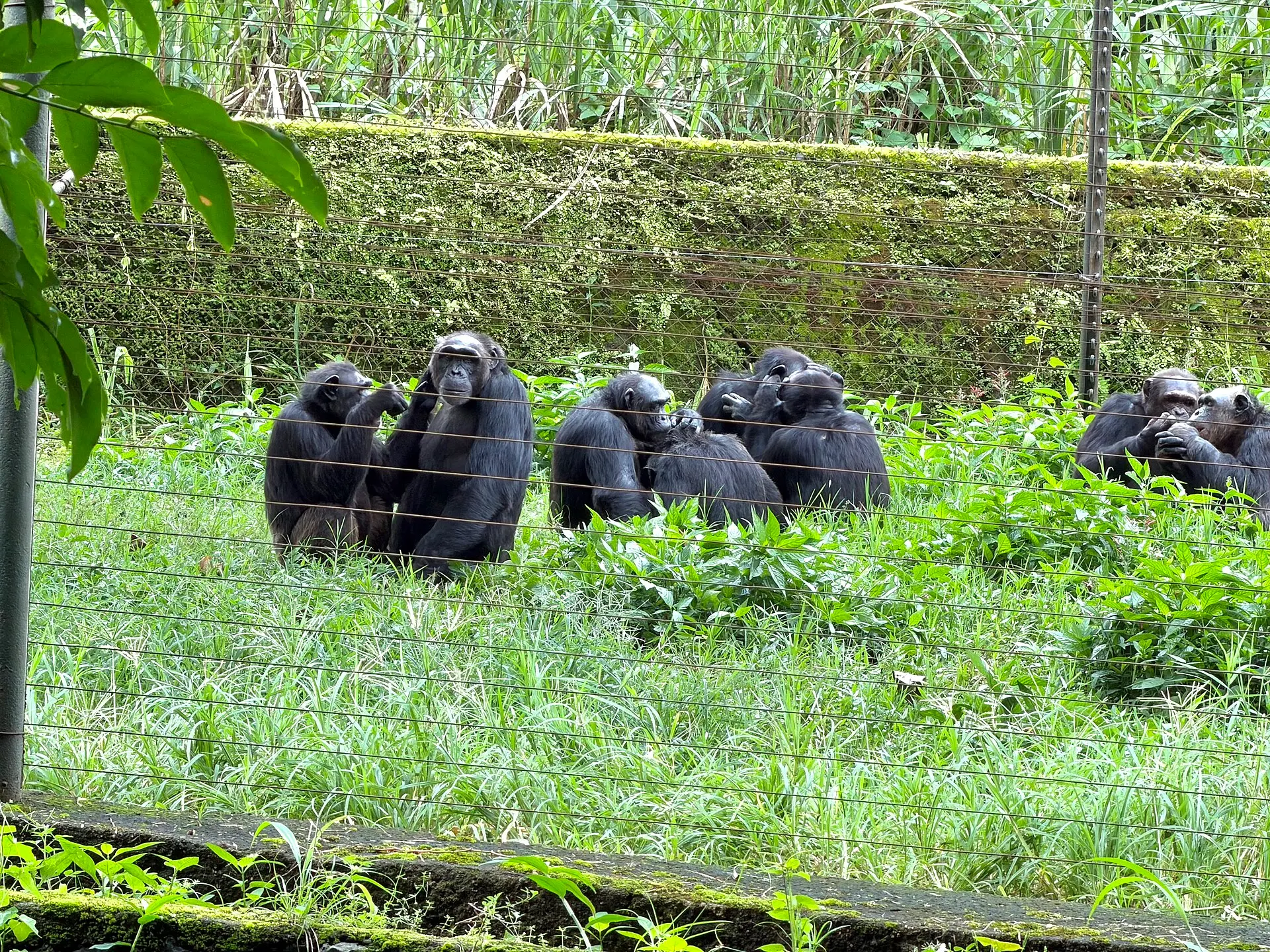
The Limbe Botanic Garden was founded in 1892 by the German colonial administration as an experimental garden for crops such as cocoa, coffee, rubber and oil palm, and later became a centre for conservation and botany. The Limbe Wildlife Centre, created in 1993 with government and partner support, cares for rescued gorillas, chimpanzees, drills, monkeys, parrots and other animals, and runs education programmes. Both remain important institutions; check their own channels for visiting arrangements.
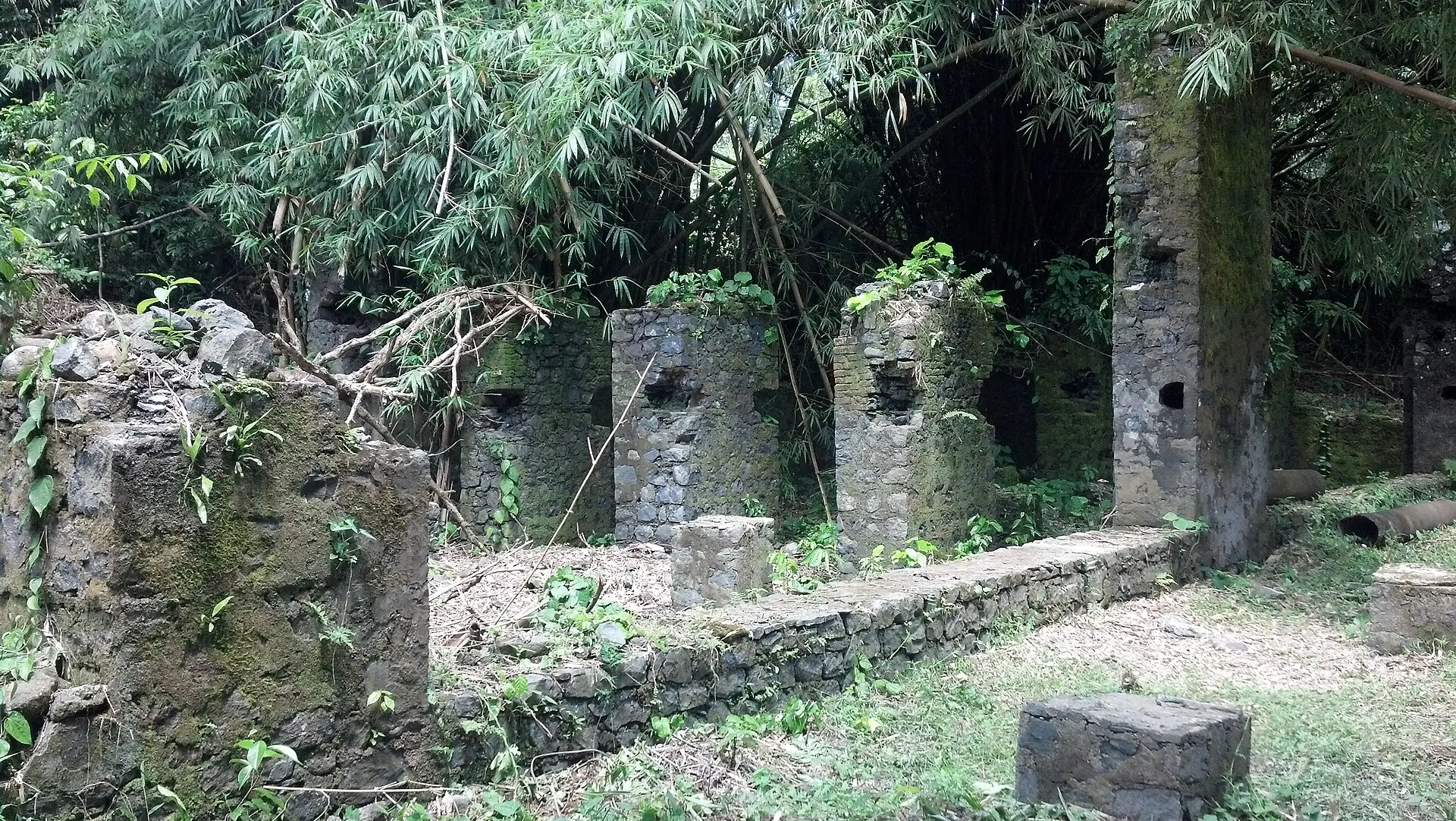
Bimbia: a site of memory
On the coast east of Limbe, the remains of the Bimbia slave-trading post recall the centuries during which enslaved Africans were shipped from this coast. Ruins, a jetty and the path once walked by captives have been identified and marked, and the site is visited by the African diaspora. It lies in the South-West Region under the advice above.
Mount Cameroon
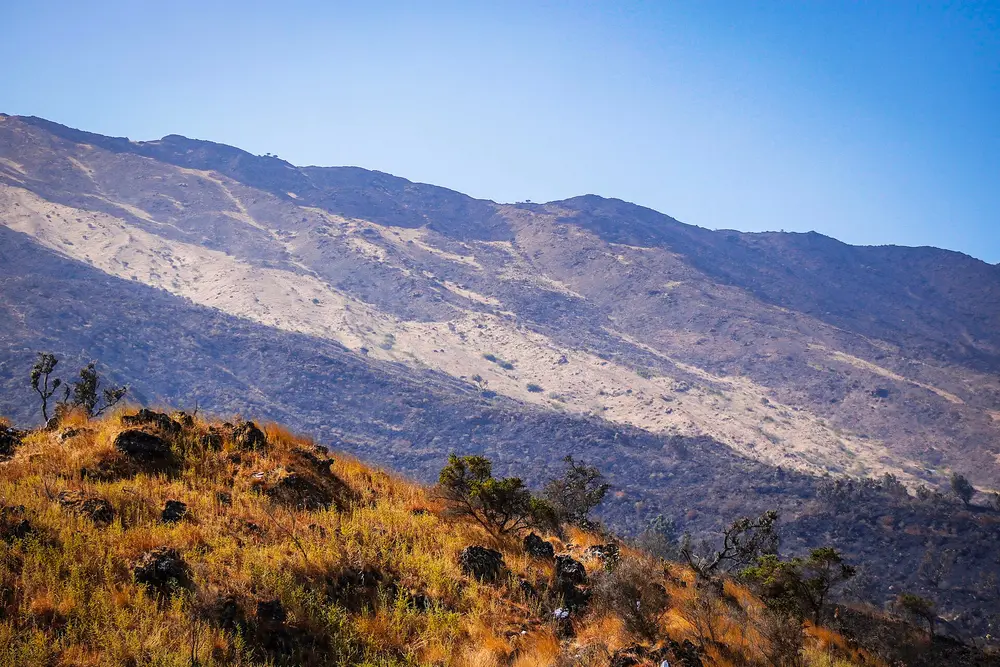
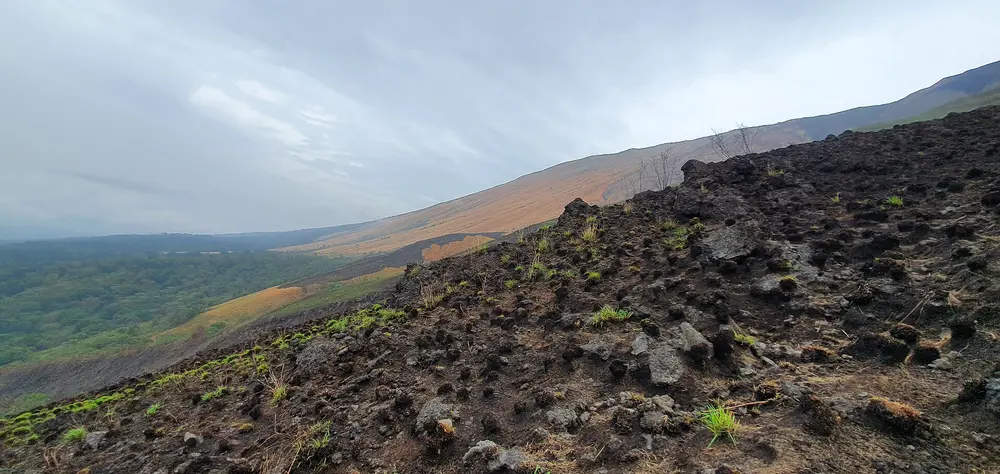
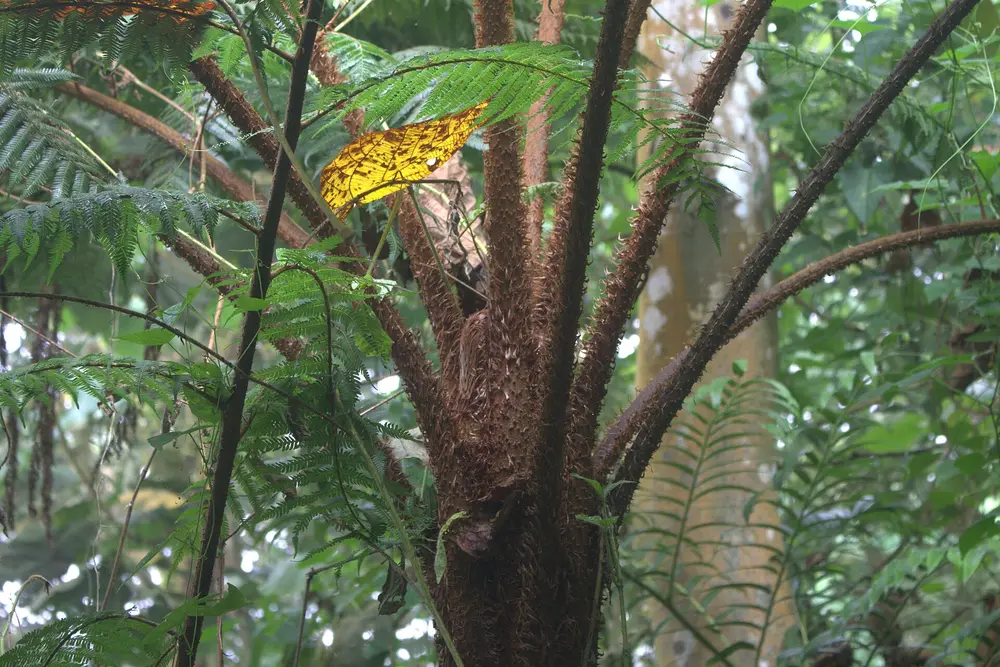
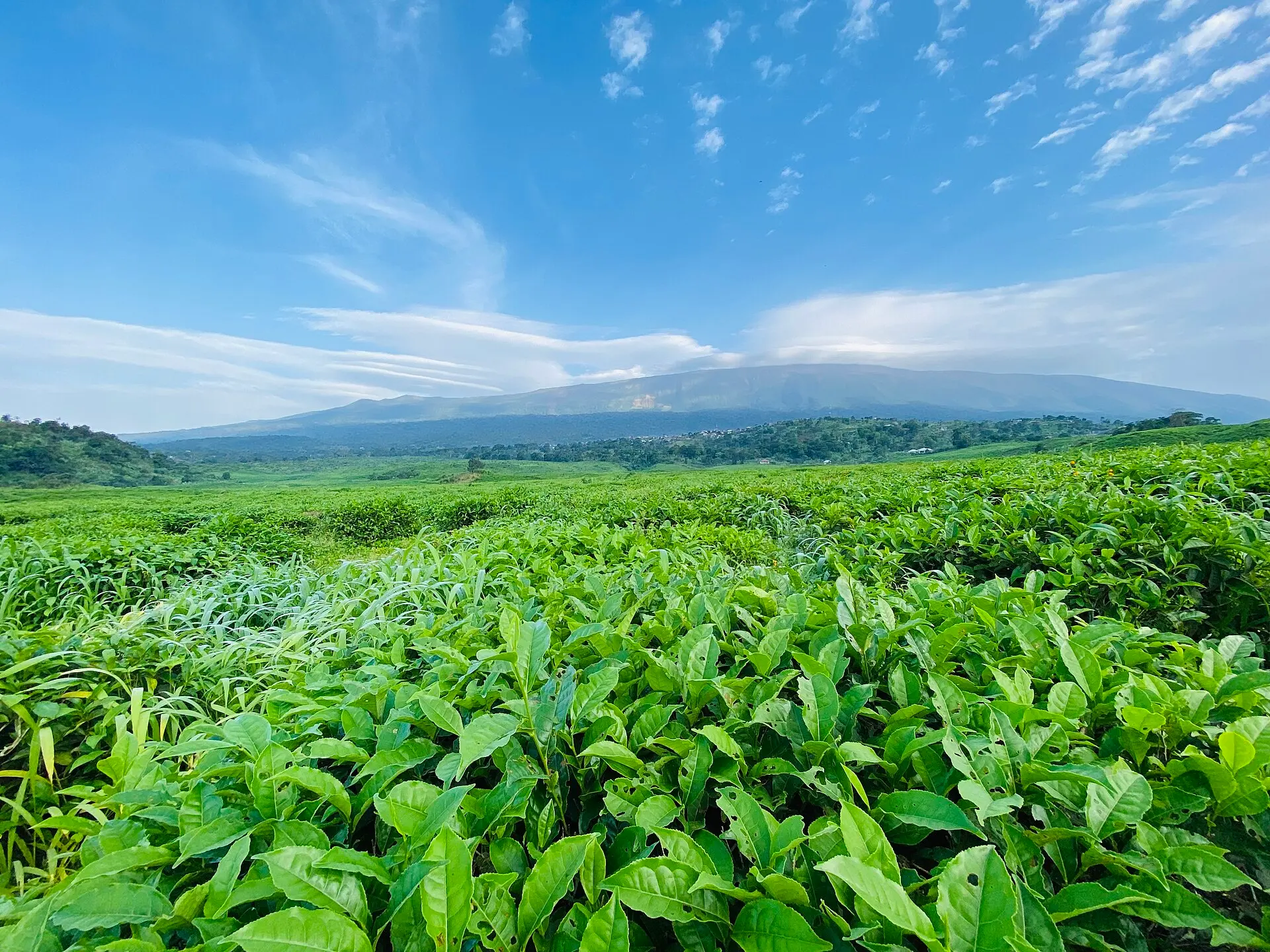
Rising straight from the sea to about 4,040 m (figures vary between surveys), Mount Cameroon — Mongo ma Ndemi, the 'mountain of greatness', in the Bakweri language — is the highest peak in West and Central Africa and one of the continent's most active volcanoes; eruptions were recorded in 1999, 2000 and 2012. Its lower slopes are covered with rainforest and plantations, then montane forest, grasslands and bare lava near the top. The Mount Cameroon National Park (created 2009) protects forest elephants, primates and endemic birds.
The classic three-day ascent starts in Buea via the Guinness Route, and the annual Race of Hope in February sends runners to the summit and back in a few hours. As of November 2026, Buea is in the UK's 'against all travel' area and the US advises against all travel to the region; climbing is therefore not advisable. Germany's Foreign Office also reminds travellers that the volcano is active and that minor earthquakes occur around it.
If and when the advice changes
Limbe and Mount Cameroon were once among Cameroon's busiest tourist destinations. If the advice is relaxed, a typical trip would be two nights in Limbe (botanic garden, wildlife centre, Bimbia, beaches) and three days on the mountain with guides and porters from Buea, best in the dry season (November–February). Until then, Mount Cameroon is best admired from Douala on clear dry-season mornings.
Plan your visit to Limbe & Mount Cameroon
- Things to doWhat Limbe is known for — black-sand beaches, the 1892 botanic garden, the wildlife…
- Guides & toursClimbing tours on Mount Cameroon and trips to Limbe are offered by some operators, but…
- Getting thereLimbe is about 70 km from Douala via Tiko. The UK's 'all but essential travel' category…
- Where to stayA few well-reviewed guesthouses in Limbe are listed on Booking.com. We show them for…
- When to goOne of the wettest places on Earth on its western slopes, Mount Cameroon is best…
Frequently asked questions
Can I visit Limbe in 2026?
The UK advises against all but essential travel to Limbe, and the US against all travel to the South-West Region (November 2026). We recommend Kribi for a beach trip instead.
Can I climb Mount Cameroon now?
Climbs start in Buea, where the UK advises against all travel and the US says do not travel. Climbing is not advisable at present.
How high is Mount Cameroon?
About 4,040 m (some sources give slightly different figures), the highest peak in West and Central Africa.
Why are Limbe's beaches black?
The sand comes from the volcanic rock of Mount Cameroon.
Sources and official information
Facts were checked against these official and primary sources in November 2026. Security advice, visa rules, prices and timetables change, so confirm before you go.
VisitCameroon.com is an independent guide, not the official site of the Ministry of Tourism and Leisure (MINTOUL), the Government of Cameroon or any operator. Some links are affiliate links: hotels go to Booking.com and tours to GetYourGuide, and we may earn a commission at no extra cost to you.