- Region
- South Region (Océan department)
- How long
- 1–3 nights
- From Kribi
- Ebodjé ≈ 1 h · Campo ≈ 1.5–2 h
- Park area
- ≈ 2,600 km² (created 2000)
- Turtle season
- ≈ November–March
- Managed by
- Ministry of Forestry and Wildlife (MINFOF)
In short
- Where: south of Kribi to the Ntem River and the border with Equatorial Guinea; Ebodjé ≈ 1 h and Campo ≈ 1.5–2 h from Kribi.
- Why: community turtle watching at Ebodjé (≈ November–March) and guided rainforest walks and river trips in Campo-Ma'an National Park.
- How long: 1–3 nights, usually from Kribi.
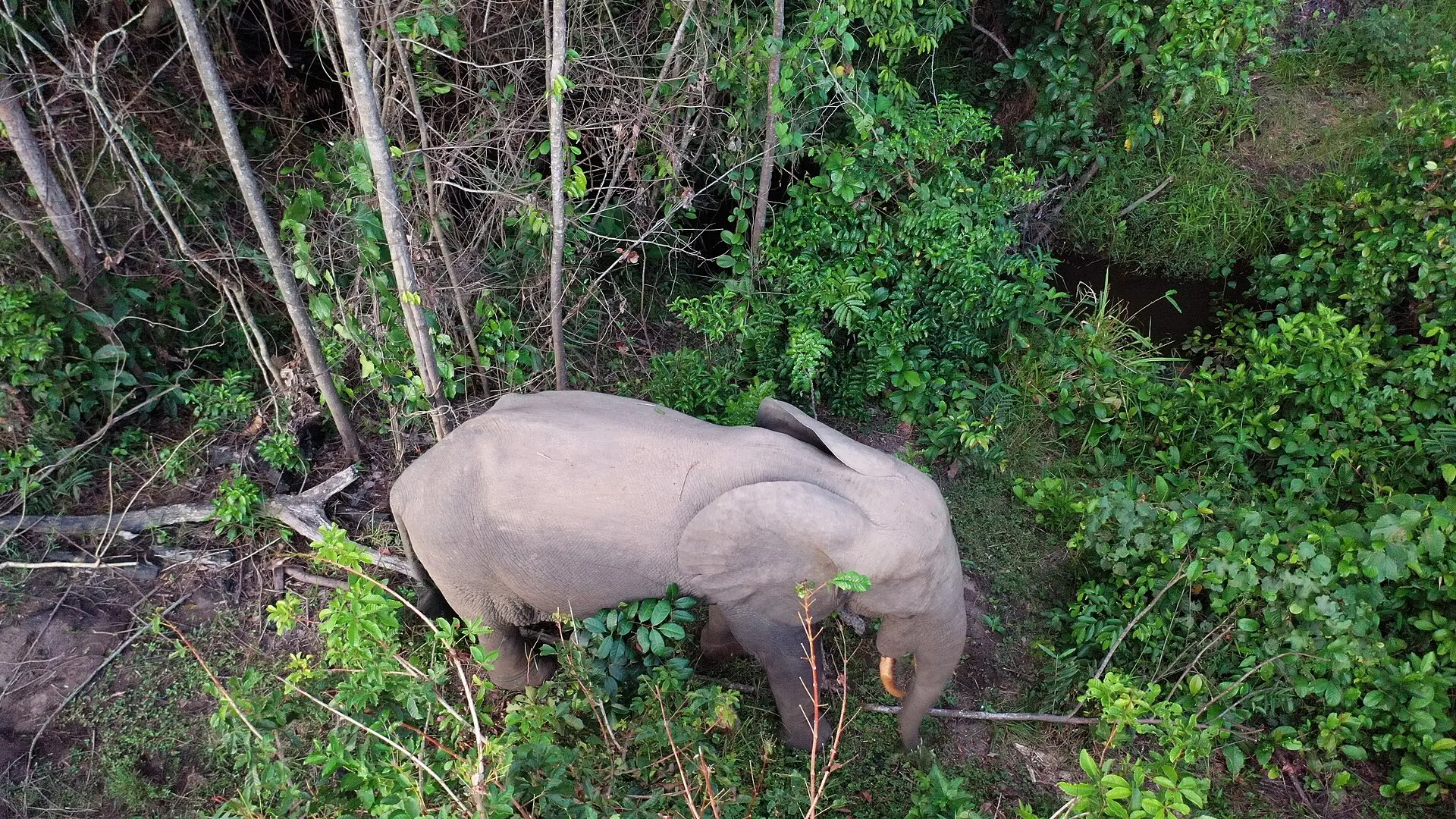
- Wildlife: forest elephants, mandrills, gorillas, chimpanzees and many birds live here — but dense forest makes sightings unpredictable.
- Advice: not under UK/US restrictions; very remote, so travel with a guide and by day.
A park from the forest to the ocean
Campo-Ma'an National Park, created in 2000, protects some 2,600 km² of lowland rainforest between the coast south of Kribi and the Ntem River, which marks the border with Equatorial Guinea. It is one of the few places in Central Africa where intact forest reaches the sea, and it shelters forest elephants, western lowland gorillas, chimpanzees, mandrills, several monkey species, forest buffalo, pangolins and a rich birdlife. The park was established in part to offset the environmental impact of the Chad–Cameroon oil pipeline that ends at Kribi, and it is managed by the Ministry of Forestry and Wildlife with conservation partners.
This is not a safari park. Visitors walk forest trails and paddle rivers with eco-guards and local guides; you are more likely to see tracks, dung and fruit-feeding signs than the animals themselves, though monkeys and birds are frequent. That makes it all the more rewarding when you do glimpse an elephant crossing a stream.
Book tours in Campo-Ma'an & EbodjéLive times, prices and free cancellation terms on GetYourGuide.
Check availabilityEbodjé and the sea turtles
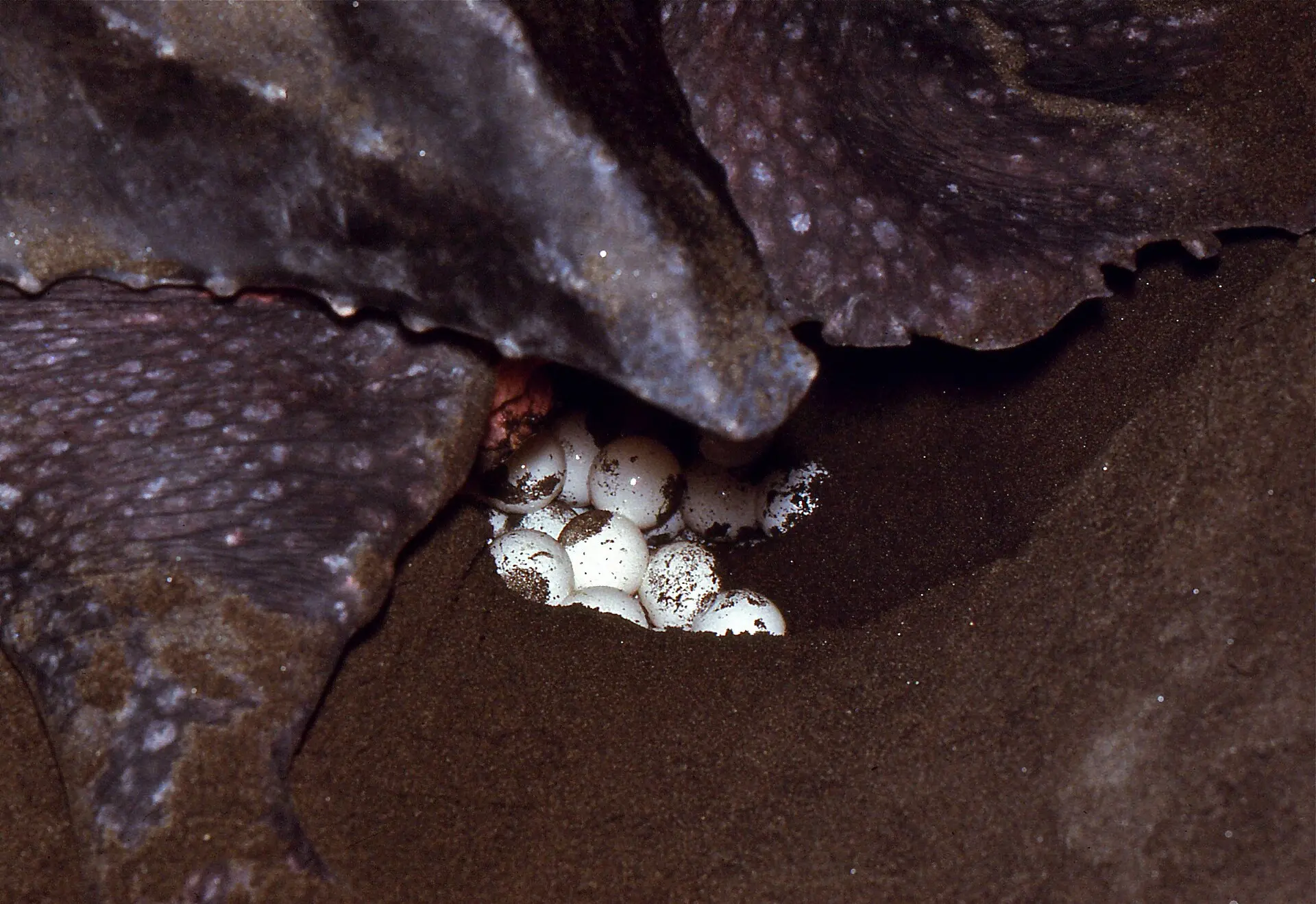
On the coast north of Campo, the fishing village of Ebodjé turned from turtle hunting to turtle protection in the 2000s with support from conservation groups. Local monitors patrol the nesting beaches, relocate threatened nests and guide visitors at night. Several species of sea turtle are recorded on Cameroon's coast, among them the leatherback, green and olive ridley; nesting runs roughly from November to March, peaking around December–February, with hatchlings emerging some weeks later.
Visits work best as an overnight stay arranged in advance through a Kribi lodge or a licensed agency, using the village's guides and simple community lodging. Rules are strict for good reason: no torches or flash photography near turtles, keep low and behind them, and never touch eggs or hatchlings.
A marine park offshore
Since a decree of July 2021, the sea off Campo has its own protected area: the Manyange na Elombo-Campo Marine National Park, Cameroon's first marine park, covering roughly 110,000 hectares of coast and ocean towards the Equatorial Guinea border. It was created to protect turtle nesting and feeding grounds and to keep industrial trawlers out of spawning areas; its name refers to sacred sites of the local Iyassa people. Conservation groups note that management is still being built and that port and industrial development along the coast puts pressure on nesting beaches — another reason to visit with community guides whose income depends on the turtles.
Rivers, beaches and the Ntem
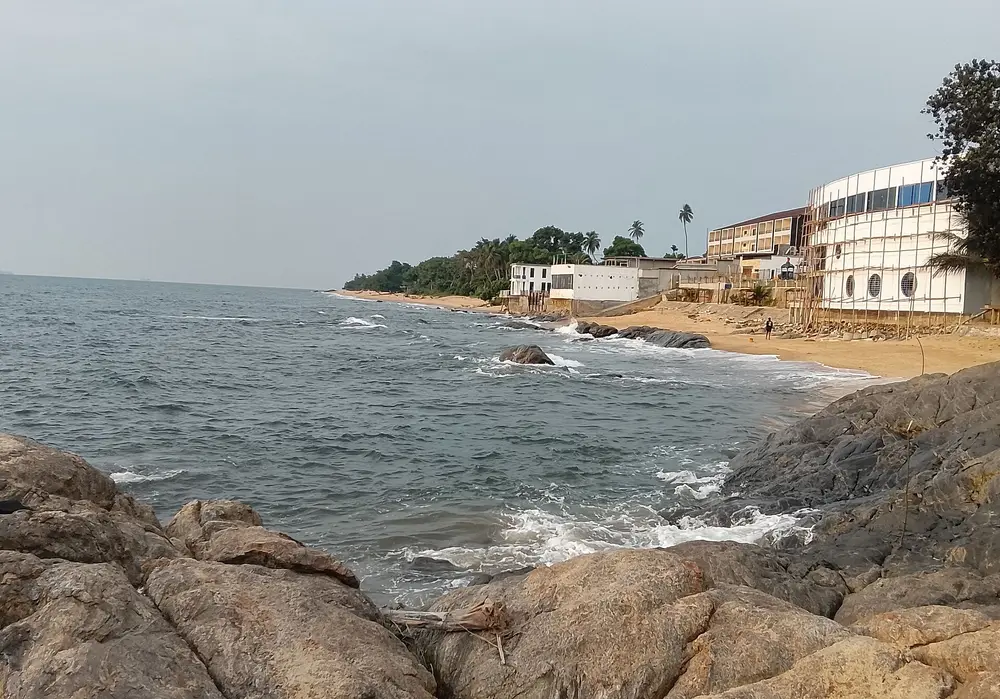
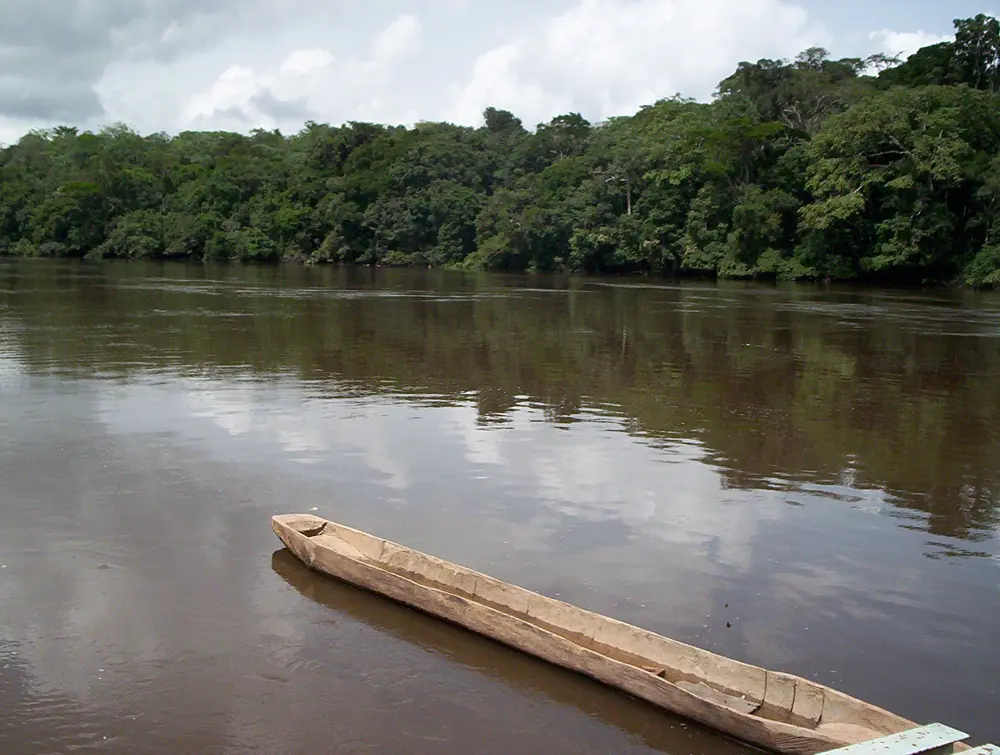
Around Campo town, pirogue trips explore the Ntem estuary and mangroves along the border; the beaches between Ebodjé and Campo are wild and empty. Respect border zones — do not cross into Equatorial Guinea except at an official post with the right visa — and don't photograph security installations.
Who lives here
The area is home to Batanga and Mabi fishing communities on the coast, Bulu and Ntumu farmers inland and Bagyeli forest people, whose rights and livelihoods are bound up with the forest. Community-run tourism — guiding, lodging, meals — is one of the few ways visitors' money reaches them directly. Ask before taking photographs and pay guides and hosts fairly.
A sample 2–3-day visit
- Day 1: leave Kribi in the morning, stop at Grand Batanga and the Lobé Falls; reach Ebodjé for lunch; afternoon on the beach with a community guide; night turtle patrol (in season).
- Day 2: drive to Campo; register with the park's conservation service; guided forest walk with an eco-guard; afternoon pirogue on the Ntem estuary; overnight in Campo or back in Ebodjé.
- Day 3 (optional): a longer forest trek with camping, arranged in advance; or return to Kribi.
Who should go — and how
- Wildlife lovers with a few days: two or three nights between Ebodjé and Campo, with a night turtle patrol and a forest walk with an eco-guard.
- Beach travellers based in Kribi: an overnight trip to Ebodjé in season is the easiest add-on; the GetYourGuide Kribi–Ebodjé packages (newly listed, no reviews yet in November 2026) bundle transport and guiding.
- Serious hikers and naturalists: a multi-day forest programme with camping, arranged weeks ahead through a licensed agency and the park's conservation service.
- Not ideal for: travellers who want guaranteed big-game sightings or hotel comfort every night.
Kribi and Ebodjé cultural immersion
A trip to Kribi and the turtle village of Ebodjé. Turtle sightings depend on the season and are never guaranteed. Newly listed on GetYourGuide with no reviews yet (November 2026) — check the itinerary and inclusions on the listing.
Check availabilityBook via GetYourGuideKribi and Ebodjé premium stay
A more upmarket stay on the Kribi–Ebodjé coast, combining nature and village life. Newly listed on GetYourGuide with no reviews yet (November 2026) — check the itinerary and inclusions on the listing.
Check availabilityBook via GetYourGuideTour listings are on GetYourGuide. Prices, times and cancellation terms are shown live on each listing and can change; VisitCameroon.com may earn a commission at no extra cost to you.
Practicalities
- Base: Kribi (more comfort) or Ebodjé/Campo (simple community lodging).
- Permits: park entry and guide fees are paid to the park conservation service; your agency should include them.
- Transport: 4×4 recommended for the partly unpaved road south of Kribi, essential in the rains.
- Bring: cash, torch with red light, insect repellent, long trousers, rain jacket, water purification.
- Health: malaria precautions; avoid swimming in still fresh water.
Current advice
Campo-Ma'an and Ebodjé lie in the South Region, which is not under UK or US travel restrictions; France places the South under heightened vigilance. The area is remote and mobile coverage is patchy: travel by day, with a guide, and tell your hotel your plans.
Conservation challenges
The park sits between expanding agro-industrial plantations, logging concessions and the growing port area of Kribi, and poaching remains a threat to elephants and great apes. Turtles face fishing nets, egg collection and beach erosion. Responsible tourism — paying park fees, hiring local guides, eating no bushmeat and buying from community projects — gives communities a direct stake in protecting wildlife.
Plan your visit to Campo-Ma'an & Ebodjé
- Things to doNight turtle walks at Ebodjé, rainforest trails with eco-guards, pirogues on the Ntem…
- Guides & toursHow to book Ebodjé's community turtle guides, Campo-Ma'an eco-guards and packages from…
- Getting thereThe coastal road south from Kribi reaches Ebodjé in about an hour and Campo in 1.5–2…
- Where to stayStay in Ebodjé's simple community lodging for turtle nights, or in Kribi's beach hotels…
- When to goTurtle nesting from about November to March coincides with the dry season — the best…
Frequently asked questions
When can I see turtles at Ebodjé?
Roughly from November to March, with the most nesting around December–February. Sightings are never guaranteed.
Can I see elephants in Campo-Ma'an?
Forest elephants live in the park, but dense forest makes sightings rare. Guided walks often find tracks and signs.
How do I get to Campo-Ma'an?
From Kribi, drive south about 80 km (1.5–2 h) to Campo; Ebodjé is just before it. A 4×4 is best in the rains.
Is Campo-Ma'an safe to visit?
The South Region is not under UK or US travel restrictions as of November 2026; France asks for heightened vigilance. The area is remote: travel by day, with a guide, and tell your hotel your plans.
What is the Manyange na Elombo-Campo park?
Cameroon's first marine national park, created by decree in July 2021 off the Campo coast, mainly to protect sea-turtle nesting and feeding grounds and fish spawning areas.
Sources and official information
Facts were checked against these official and primary sources in November 2026. Security advice, visa rules, prices and timetables change, so confirm before you go.
VisitCameroon.com is an independent guide, not the official site of the Ministry of Tourism and Leisure (MINTOUL), the Government of Cameroon or any operator. Some links are affiliate links: hotels go to Booking.com and tours to GetYourGuide, and we may earn a commission at no extra cost to you.