In short
- Turtle night walks at Ebodjé (Nov–Mar).
- Forest walks in the national park with guides.
- Pirogue trips on the Ntem estuary and mangroves.
- Wild beaches between Ebodjé and Campo.
1. Turtle watching at Ebodjé
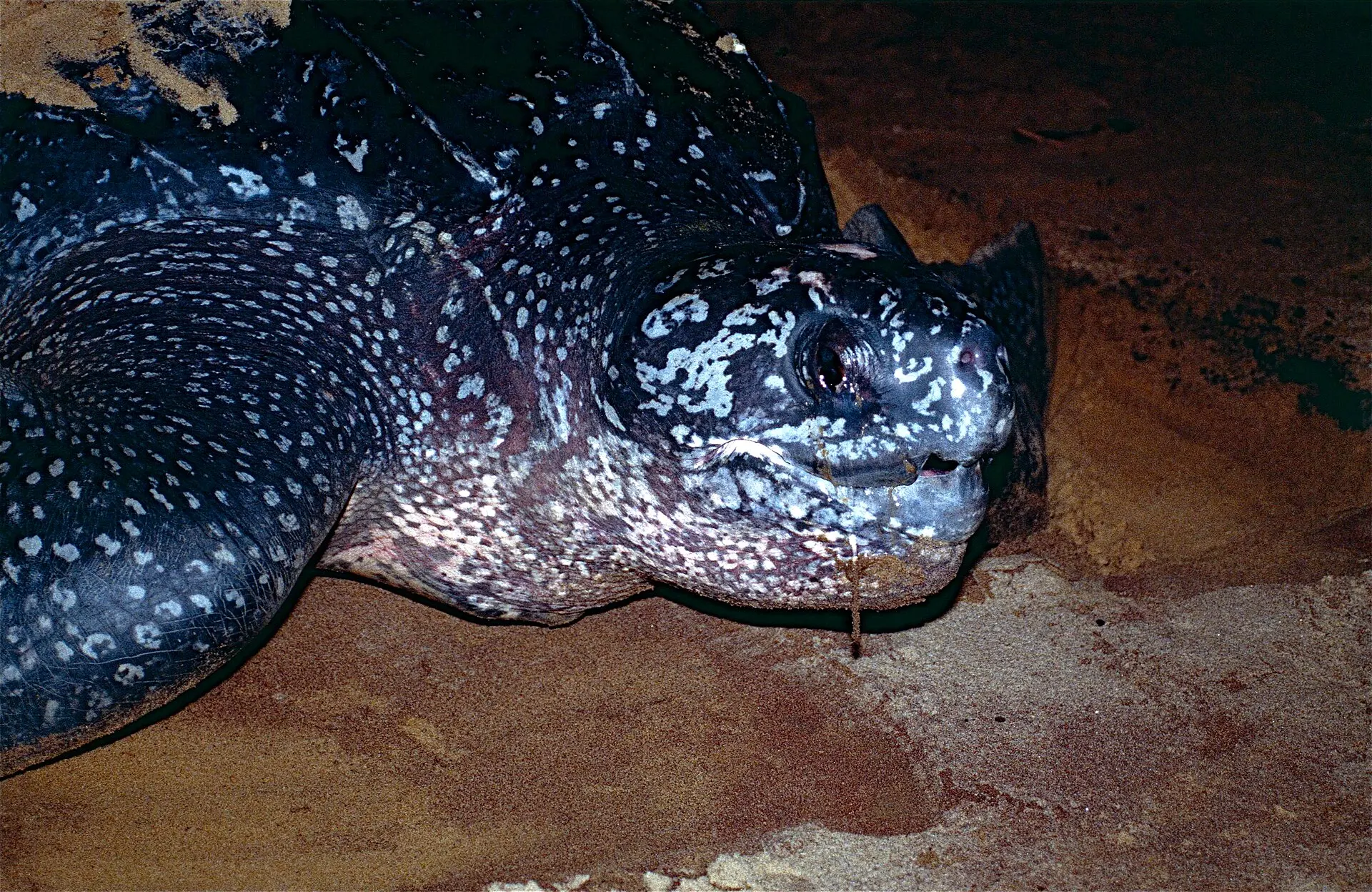
Night patrols with community monitors along the nesting beaches. You may watch a female dig her nest and lay, or see a relocated nest. Dress in dark clothing, use only red light when the guide allows, and keep silent.
Book tours in Campo-Ma'an & EbodjéLive times, prices and free cancellation terms on GetYourGuide.
Check availability2. Rainforest walks
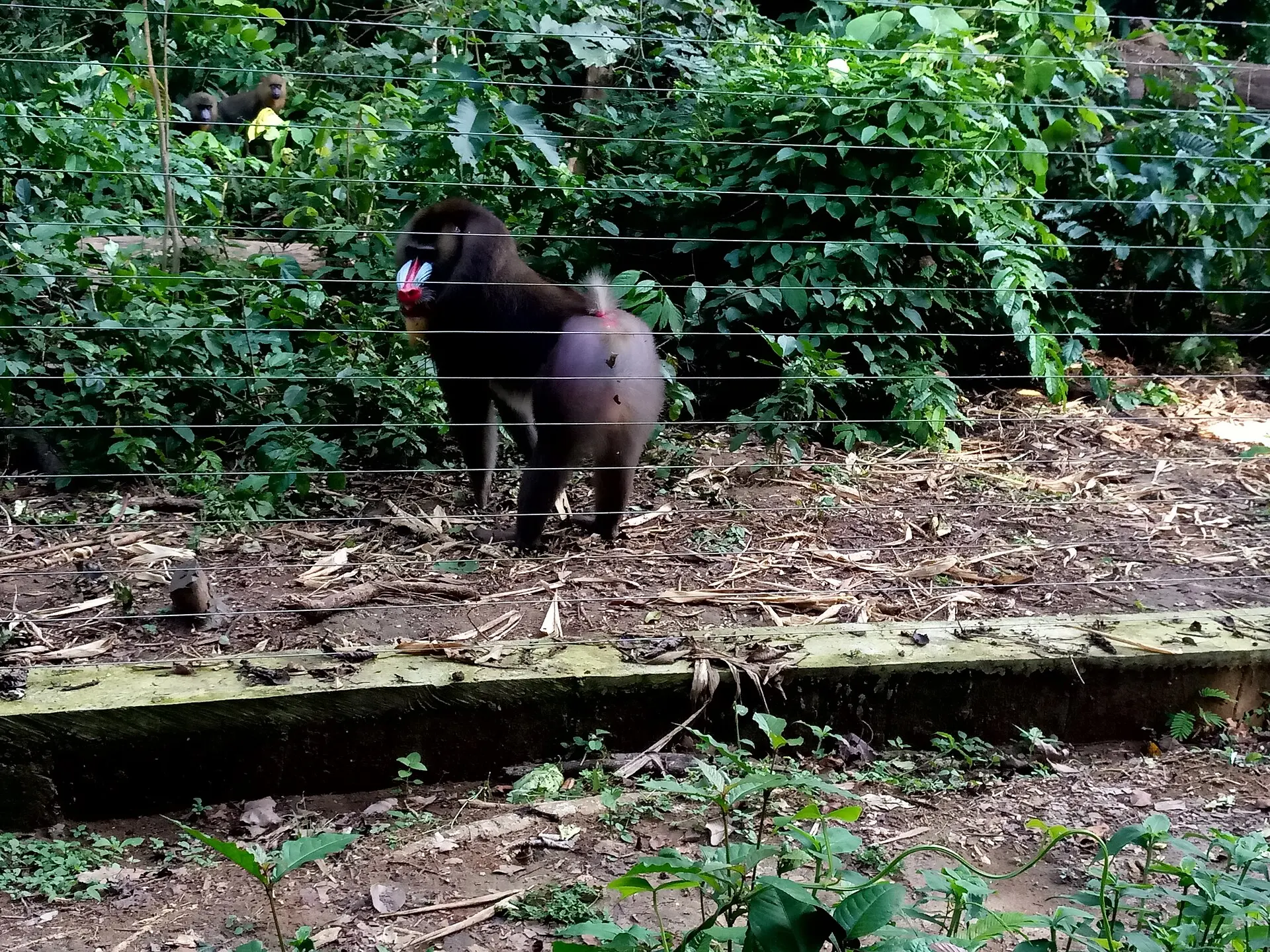
With an eco-guard, follow trails into lowland forest to look for primates, birds, butterflies and elephant signs. Morning walks are best. Long trousers and closed shoes are essential.
3. The Ntem estuary
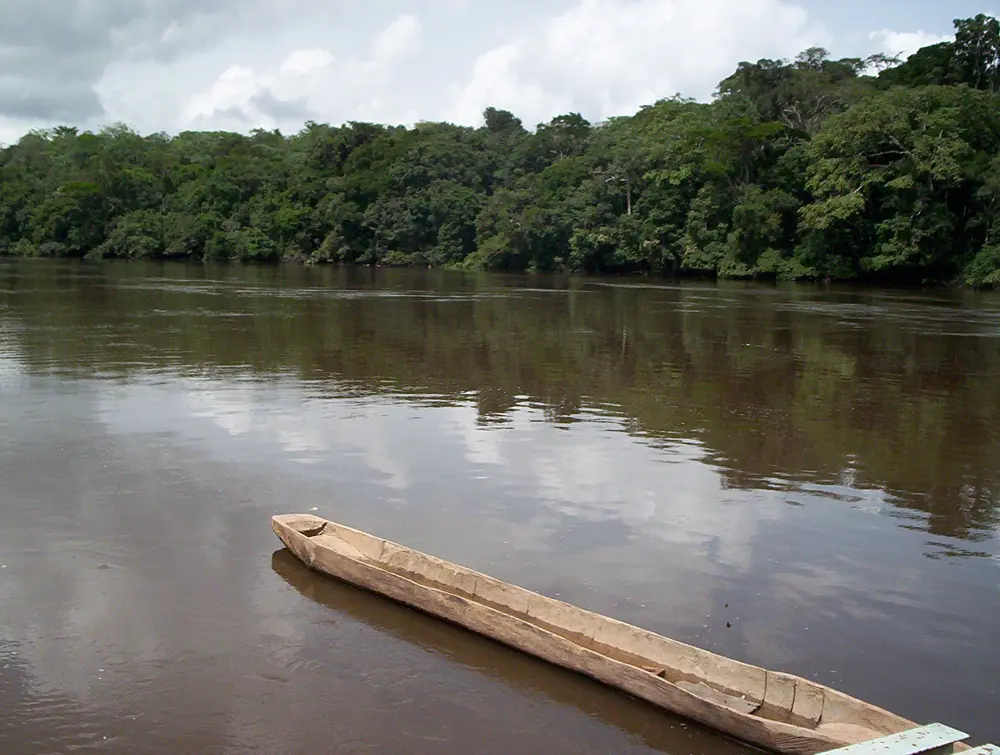
From Campo, pirogues explore the mangroves and river mouth at the Equatorial Guinea border. Stay on the Cameroonian side and don't photograph border installations.
4. Beaches and fishing villages
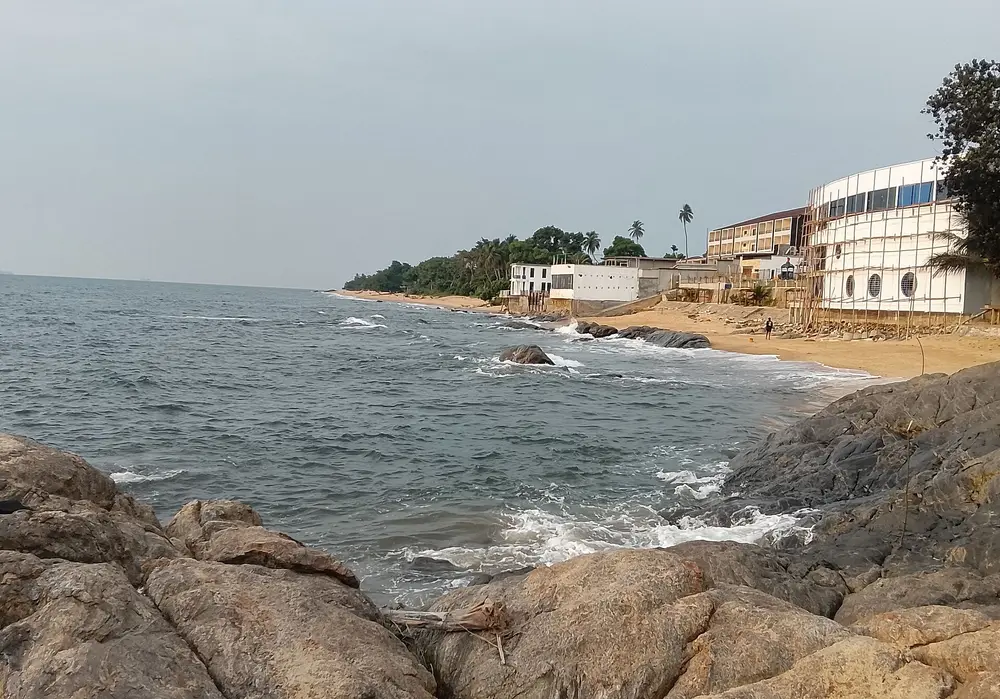
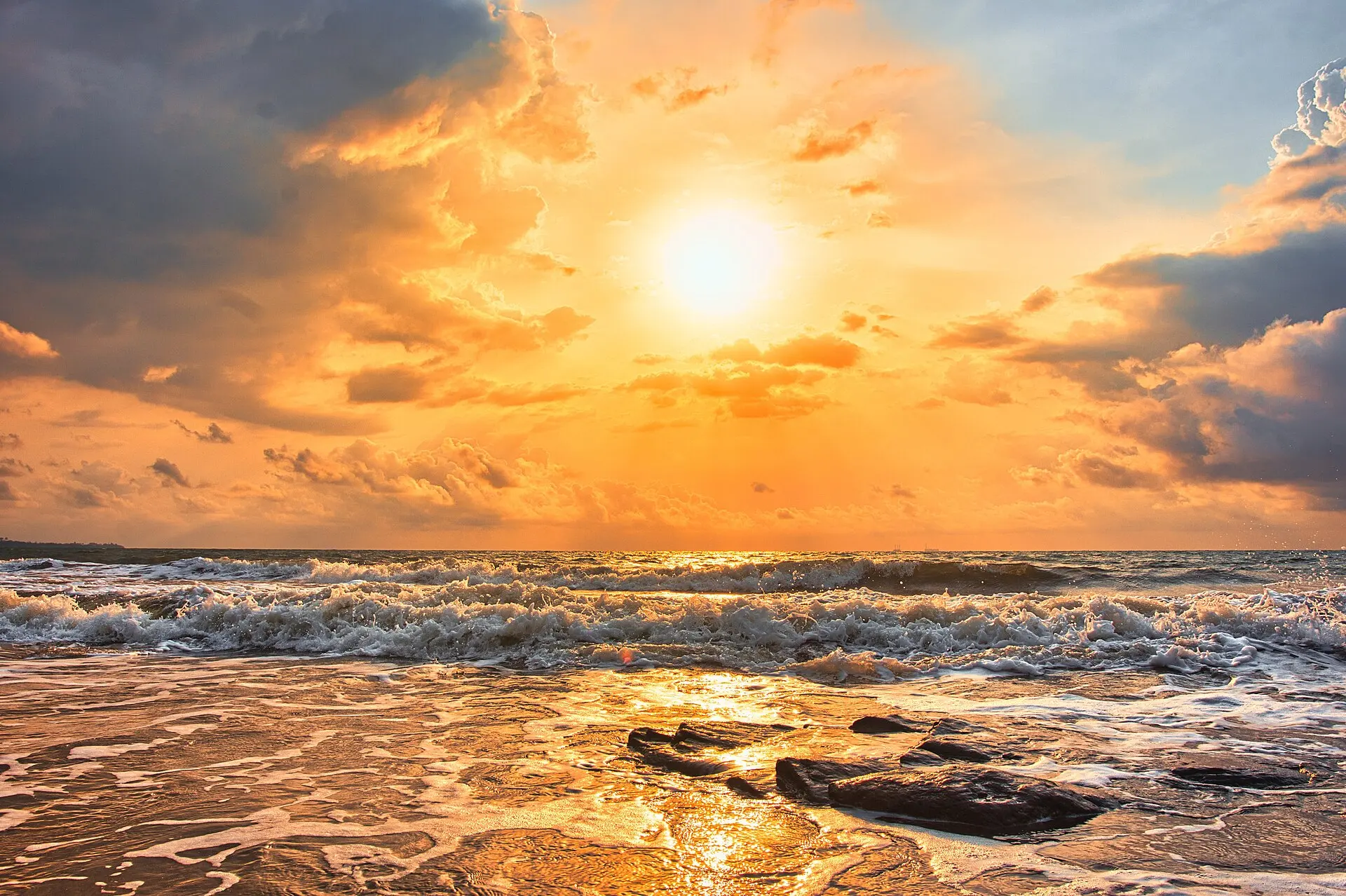
Walk empty beaches, watch pirogues come in and eat fresh fish in the villages. Currents can be dangerous; ask before swimming.
5. Birding
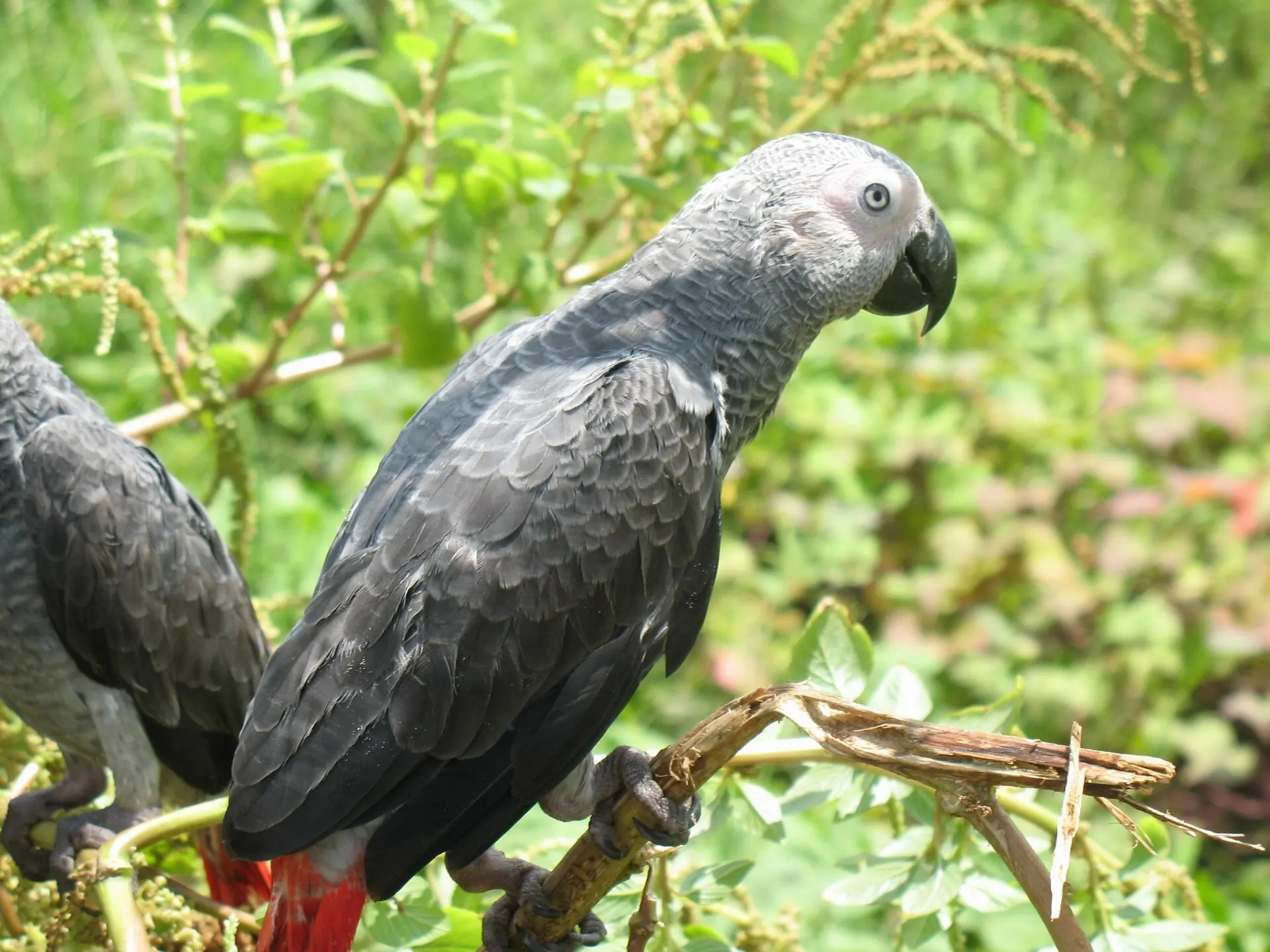
Coastal forest, mangroves and beaches make for varied birding — hornbills, turacos, kingfishers and seabirds. Bring binoculars.
6. Meet the turtle monitors
Ebodjé's conservation story is as interesting as the turtles. The village's monitoring project, started in the late 1990s with support from a Dutch foundation and now carried by the local NGO Tube Awù, pays community members to patrol the beaches, record nests and move threatened eggs to a protected hatchery. Ask your guide to explain the work — and if you can, visit the hatchery by day. Your visit fee is part of what makes protecting turtles more rewarding than hunting them.
7. Fishing life and village food
Spend an afternoon watching pirogues land on the beaches between Ebodjé and Campo, and eat what comes in: fish grilled with plantains or cassava, or cooked in a pepper sauce. Meals in Ebodjé are prepared by local families as part of the community lodging. Avoid any dish made from bushmeat or turtle — and say no politely if offered eggs.
A two-day plan from Kribi
- Day 1, 8 AM local time: leave Kribi; short stops at Grand Batanga and the Lobé Falls.
- 10 AM: arrive in Ebodjé; meet the community guides, visit the hatchery, settle into village lodging.
- Afternoon: beach walk, fishing village, early dinner with your hosts.
- 8 PM–midnight (in season): turtle patrol with a monitor — patience is part of the experience.
- Day 2, 7 AM: drive to Campo; register with the park service; guided forest walk.
- Afternoon: pirogue on the Ntem estuary, then back to Kribi before dark (about 2 hours).
Photography without harm
Night photos of nesting turtles are tempting, but white light and flash disorient females and hatchlings. Leave the camera in your bag until your guide says otherwise, and settle for the memory — or photograph tracks and the hatchery by daylight. In villages, ask before photographing people and homes; some will ask for a small payment, which is fair. Never photograph border posts, soldiers or security installations near the Ntem.
Turtle-watching etiquette
- Wait for the guide's signal before approaching a nesting turtle — a disturbed female may return to the sea without laying.
- No white light, no flash, no phone screens: use only the red light your guide allows.
- Stay behind the turtle, never in front of her or between her and the sea.
- Keep several metres away and keep groups small and quiet.
- Never touch eggs or hatchlings, and never carry hatchlings to the water — they must crawl on their own.
What to pack
Dark long-sleeved clothing for night walks, sturdy shoes or sandals with grip for the beach, a red-light headlamp, insect repellent, a light rain jacket, binoculars, a dry bag for pirogue trips, water purification tablets and cash in small notes. Mobile coverage is patchy: tell your Kribi hotel your plans.
Frequently asked questions
Is it ethical to watch nesting turtles?
Yes, with trained community guides following the rules (no lights, no touching, keep distance). The income supports protection.
Can I swim at Ebodjé?
The sea is warm, but currents can be strong and there are no lifeguards. Ask locals where and when it's safe.
Can I see gorillas in Campo-Ma'an?
Gorillas live in the park but are not habituated for tourism, so sightings are very rare. You are more likely to see monkeys, birds and the signs of elephants and apes.
Sources and official information
Facts were checked against these official and primary sources in November 2026. Security advice, visa rules, prices and timetables change, so confirm before you go.
VisitCameroon.com is an independent guide, not the official site of the Ministry of Tourism and Leisure (MINTOUL), the Government of Cameroon or any operator. Some links are affiliate links: hotels go to Booking.com and tours to GetYourGuide, and we may earn a commission at no extra cost to you.