In short
- Top 3: Lobé Falls (Kribi), the Sultan's Palace and Museum of the Bamoun Kings (Foumban), the Chefferie of Bandjoun.
- Best for nature: Kribi's beaches, Ekom-Nkam Falls, the Mefou primate sanctuary, the Dja Faunal Reserve, sea turtles at Ebodjé.
- Best for culture: Foumban, Bandjoun, Dschang's Museum of Civilisations, Douala's Pagode and art scene, Yaoundé's museums.
- Ranked for visitability today: famous sights under 'do not travel' advice (Mount Cameroon, Rhumsiki, Waza) are listed separately at the end.
1. Lobé Falls, Kribi
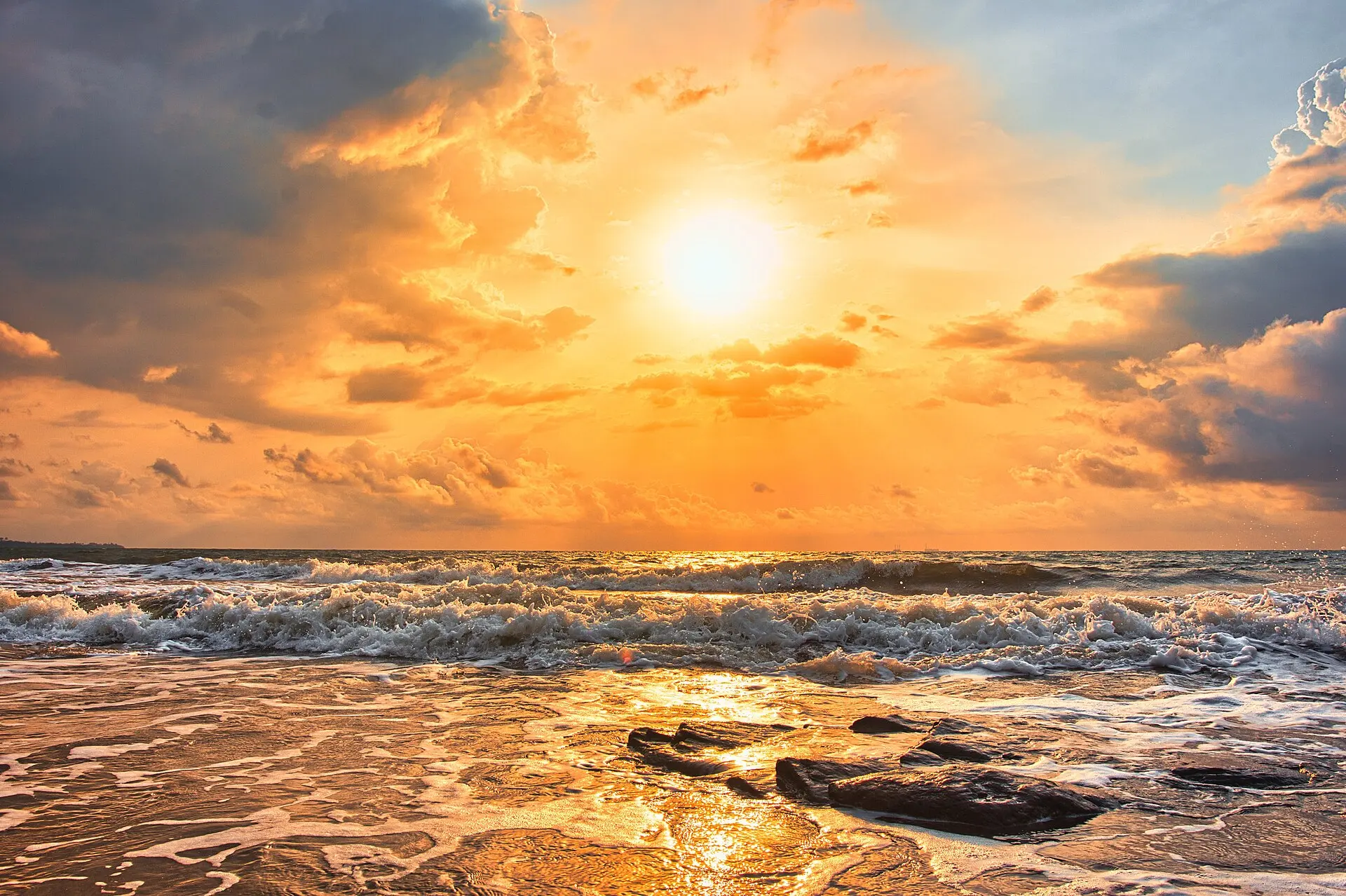
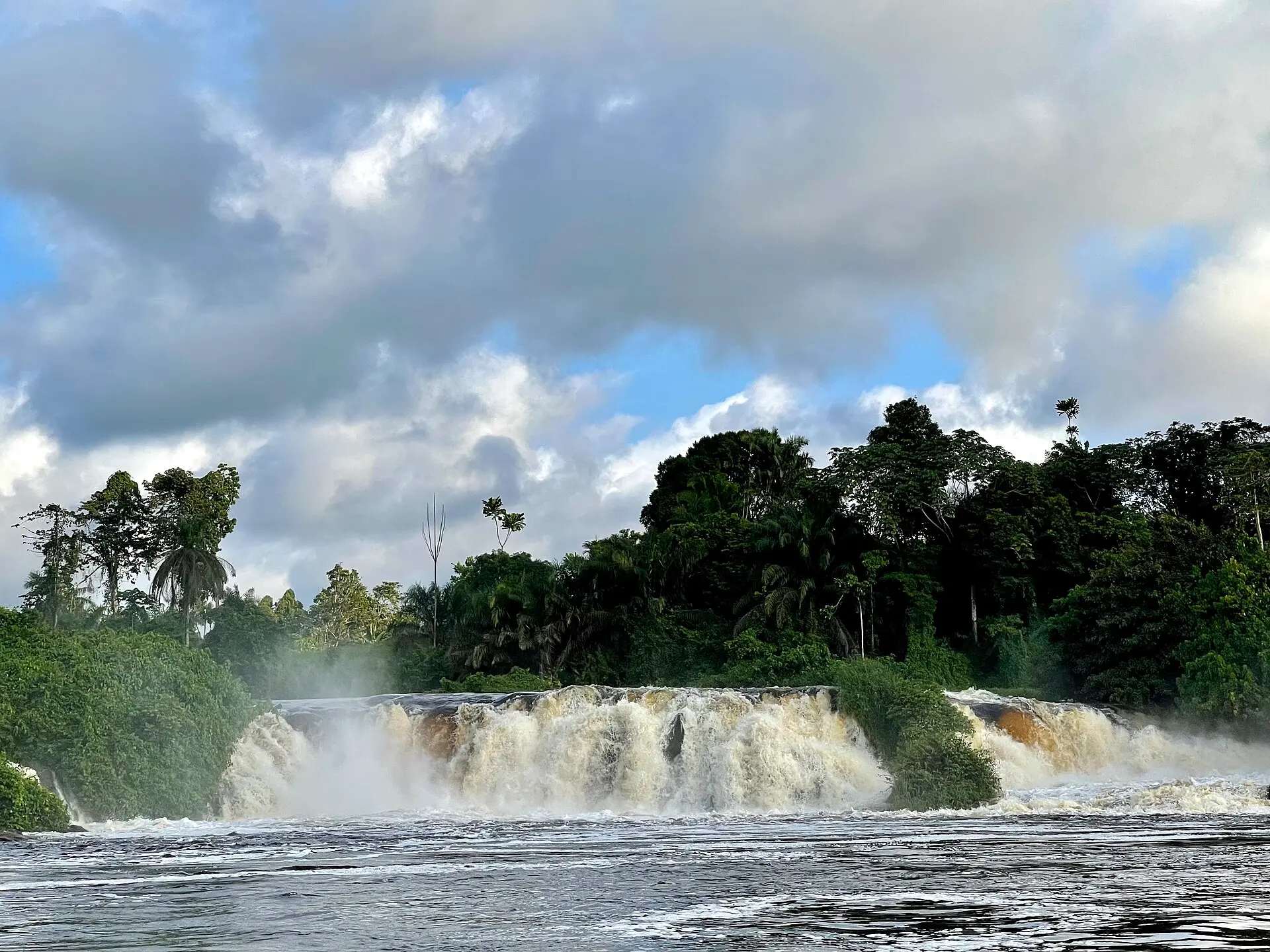
About 8 km south of Kribi, the Lobé River ends its journey in a series of wide cascades that fall directly onto the beach and into the Atlantic — one of very few waterfalls in the world to do so. Locals sell grilled fish and prawns under the palms, and pirogue (dugout canoe) trips take you to the foot of the falls and upriver into the forest, where you can visit Bagyeli communities with a guide. Go in the morning for soft light; the falls are fullest from October to December. See things to do in Kribi.
2. Sultan's Palace and Museum of the Bamoun Kings, Foumban
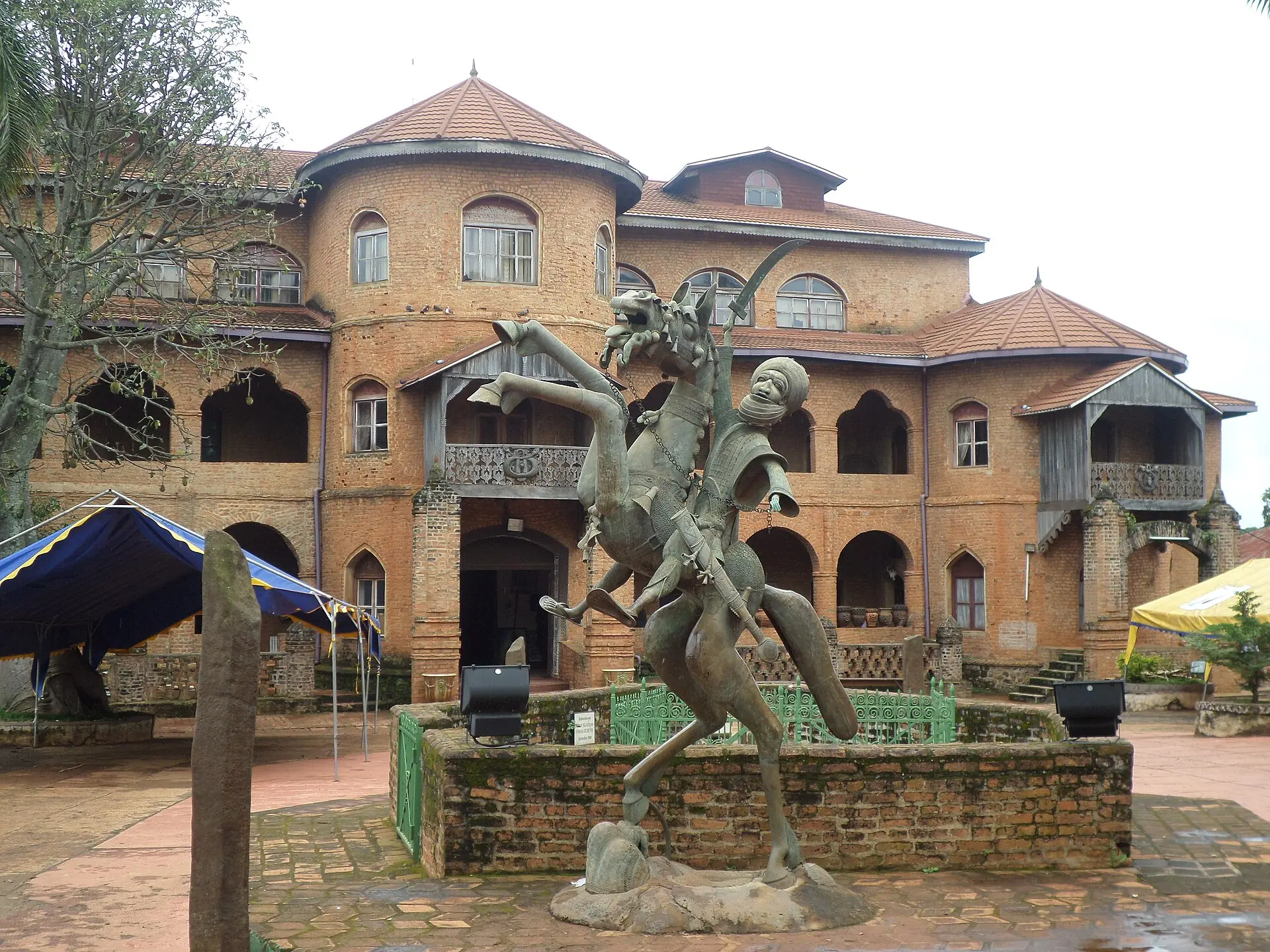
Foumban is the seat of the Bamoun dynasty, founded according to tradition in the late 14th century. The brick palace was built in 1917–1922 under Sultan Ibrahim Njoya, the remarkable ruler who invented a script for the Bamoun language, a map-making school and a syncretic religion. Next to it, the Museum of the Bamoun Kings — a new building shaped around the dynasty's emblems, the two-headed serpent and the spider — holds thrones, beaded regalia, weapons and manuscripts. Allow half a day with a guide, then visit the artisans' street. See our Foumban guide.
3. Chefferie of Bandjoun
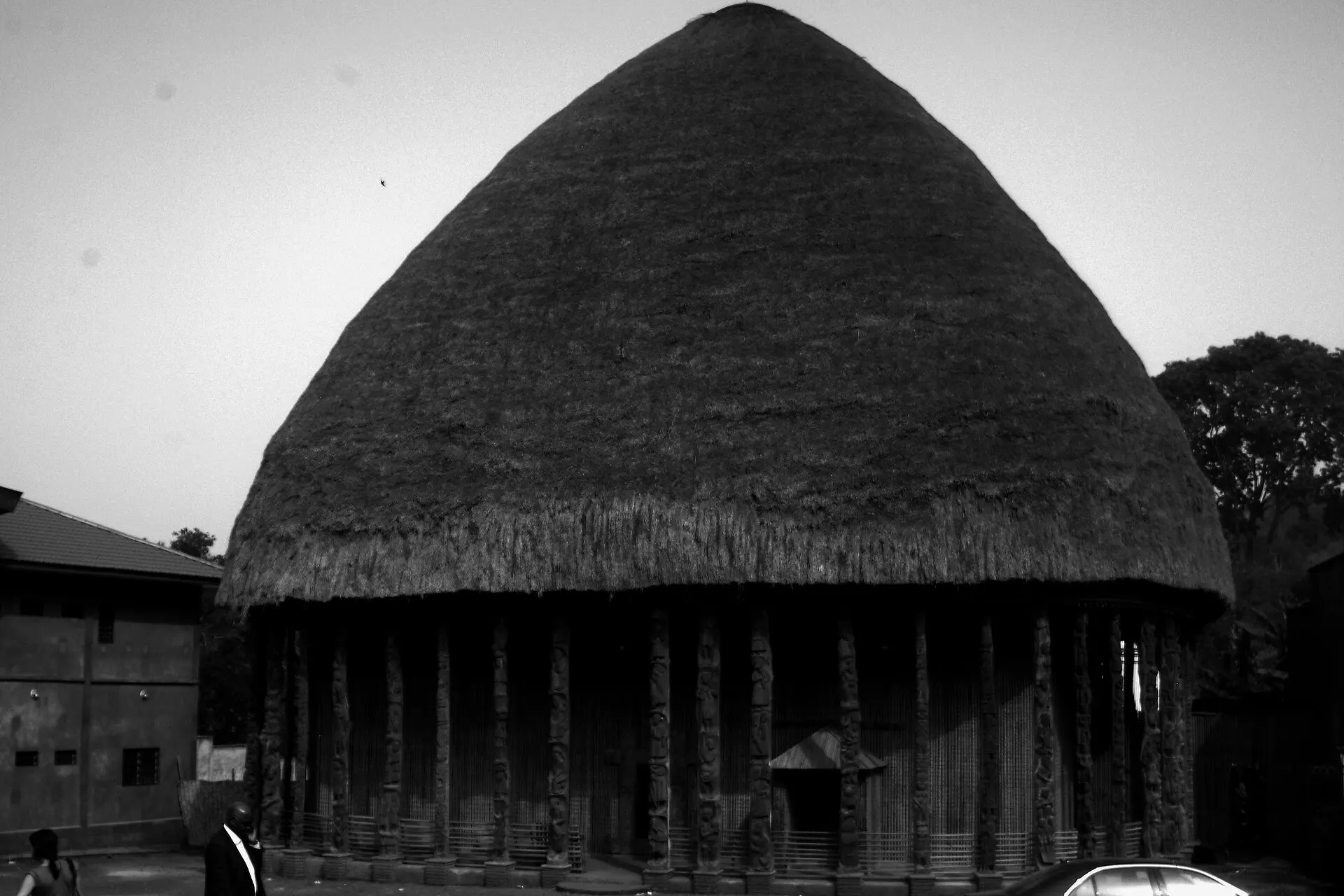
The Bamileke chiefdoms of the West are among the great living institutions of Central Africa, and Bandjoun's is one of the most impressive: its grande case (great house) rises on a square base under a towering conical thatched roof, its walls lined with carved wooden pillars depicting the kingdom's history. The chiefdom museum displays masks, stools and beadwork. Visits are guided and you should follow protocol — ask before photographing people. See Dschang & Bafoussam.
4. Ekom-Nkam Falls
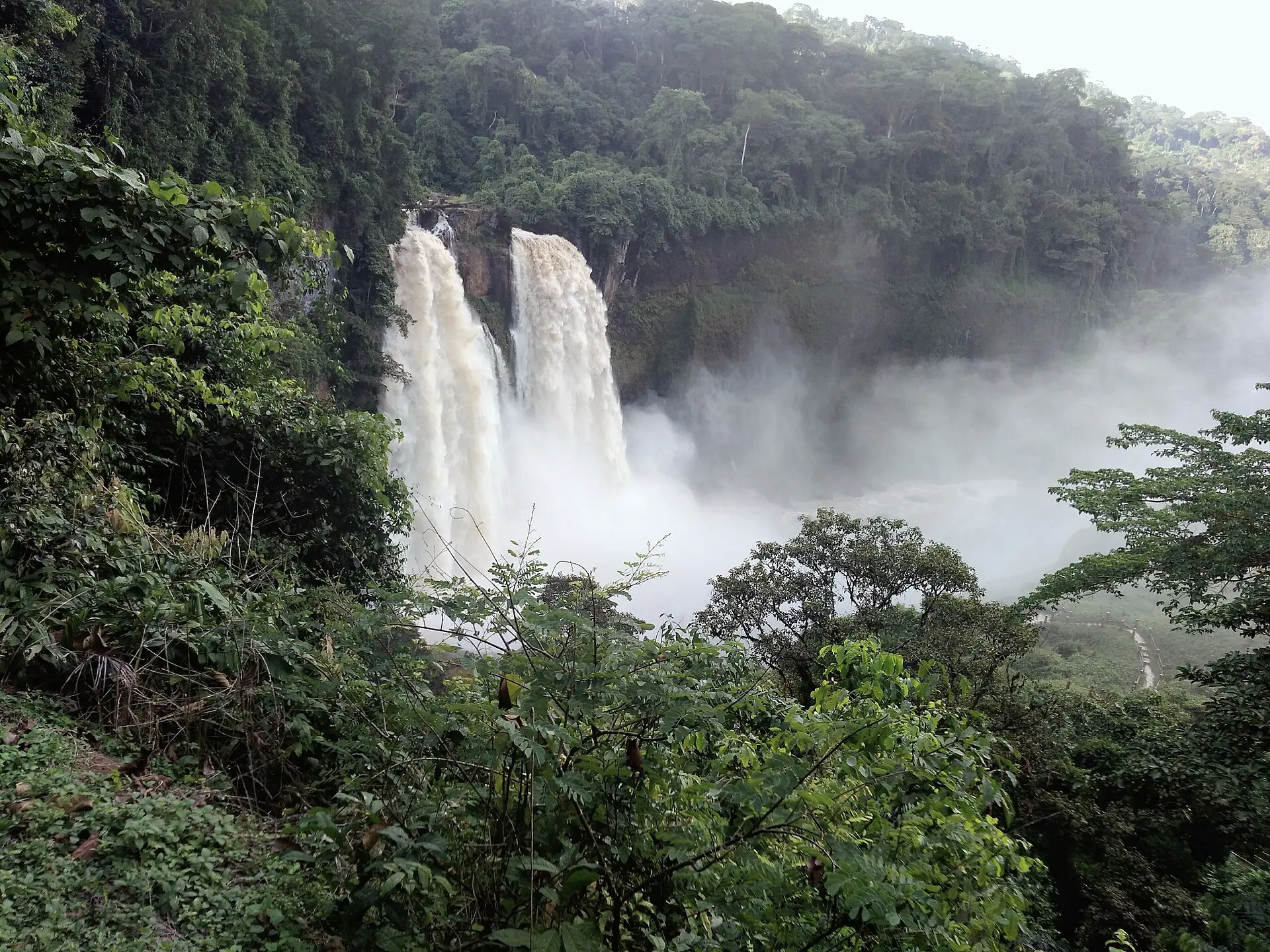
Hidden in the forest between Melong and the Western Highlands, the Nkam River drops about 80 metres in a broad white curtain — the film Greystoke: The Legend of Tarzan (1984) used it as a location. A steep stairway leads down to the base. France's advice (November 2026) asks visitors to go in groups and leave before nightfall; combine it with a drive between Douala and Dschang with a driver.
5. Kribi's beaches and Grand Batanga
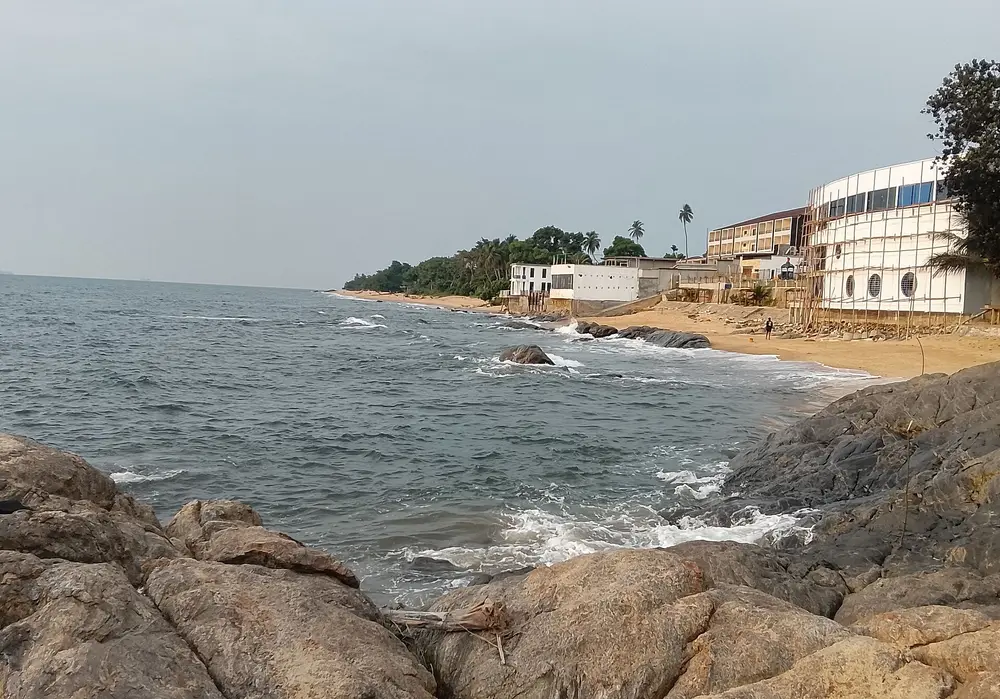
Kribi's appeal is simple: long golden beaches, palm groves, warm sea and fish straight from the pirogues. The quieter beaches south of town — Grand Batanga, Ebomé, Londji to the north — have lodges and beach restaurants. Swim only where locals do; currents can be strong. See our Kribi guide.
6. Mefou primate sanctuary near Yaoundé
About an hour from Yaoundé, the Mefou Primate Sanctuary, run by the charity Ape Action Africa with the Ministry of Forestry and Wildlife, cares for gorillas, chimpanzees, drills, mandrills and monkeys rescued from the bushmeat and pet trades. Guided visits explain the conservation work; book ahead through the organisation. See Yaoundé guides & tours.
7. Douala: the cathedral, the Pagode and Bonanjo
Douala is not a pretty city, but it is fascinating. In the Bonanjo district stand the Pagode (the 1905 palace of the Bell kings of the Duala people), the twin-towered Cathedral of Saints Peter and Paul, colonial administrative buildings and the art centre Doual'art, which has filled the city with public art. The Maritime Museum tells the story of the port and the Wouri. See things to do in Douala.
8. Yaoundé's Reunification Monument and museums
The spiral Reunification Monument celebrates the 1961 union of French and British Cameroons. The National Museum occupies the former presidential palace, and on Mont Fébé the Benedictine Museum holds one of the country's best collections of traditional art. Add the Notre-Dame-des-Victoires cathedral and Mokolo market. See things to do in Yaoundé.
9. Dja Faunal Reserve
Inscribed by UNESCO in 1987, the Dja is one of the largest and best-protected rainforests of the Congo Basin, almost entirely encircled by the Dja River. Gorillas, chimpanzees, forest elephants and over 1,500 plant species live here. Visits are genuine expeditions — dirt roads, camping or simple lodging, walks with Baka guides — and wildlife is hard to see in dense forest. See our Dja guide.
10. Dschang: the Museum of Civilisations and the lake
Dschang, a cool university town at about 1,400 m, has the Musée des Civilisations, presenting Cameroon's four great cultural areas (Grassfields, Sawa, Fang-Beti and Sudano-Sahelian) beside a landscaped lake. Nearby are the cliffs of the Santchou escarpment and several chiefdoms. See Dschang & Bafoussam.
11. Sea turtles at Ebodjé and Campo-Ma'an National Park
On the coast south of Kribi, the village of Ebodjé has run community turtle monitoring and ecotourism for years: in the nesting season (roughly November–March) you may watch leatherback, green or olive ridley turtles come ashore at night with a local guide. Inland, Campo-Ma'an National Park protects rainforest with elephants, mandrills and gorillas. See Campo-Ma'an & Ebodjé.
12. Famous sights currently under 'do not travel' advice
Three of Cameroon's most famous sights are, as of November 2026, in areas the UK, US and/or France advise against visiting:
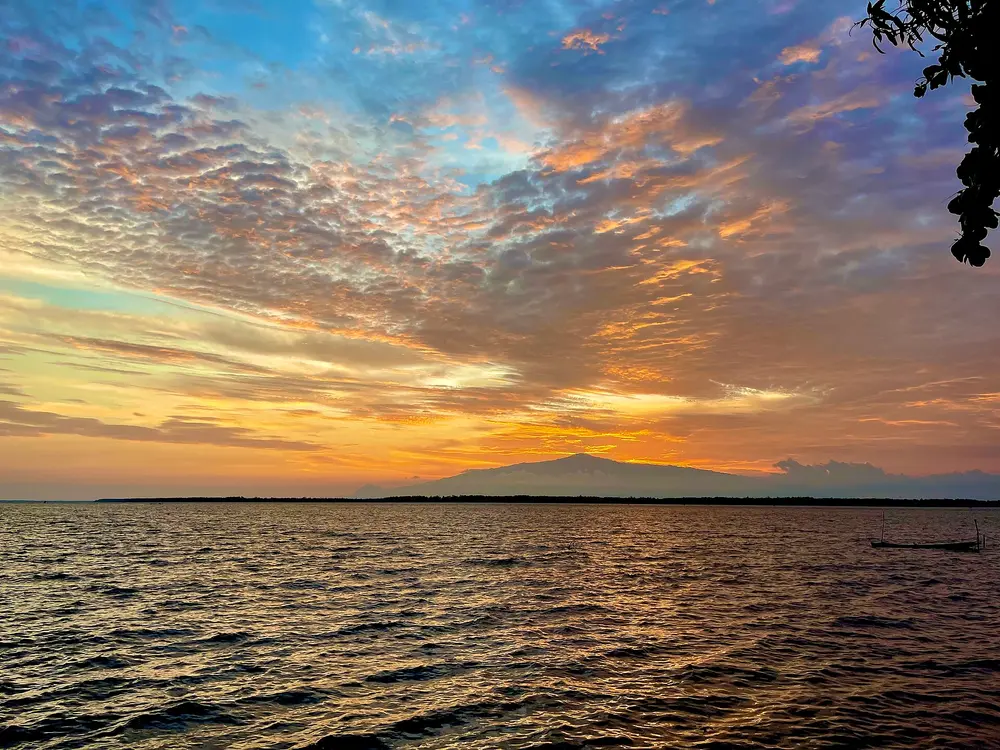
- Mount Cameroon (≈ 4,040 m), West Africa's highest peak, climbed from Buea in the South-West — see Limbe & Mount Cameroon.
- Rhumsiki and the Mandara Mountains, the volcanic needles of the Far North — see Maroua, Rhumsiki & Waza.
- Waza National Park, once Cameroon's best savannah safari park.
We describe them for background and future planning. Please do not attempt them against official advice.
Free and low-cost sights
Many of Cameroon's best experiences cost little: the Lobé Falls from the beach, Bonanjo's monuments and Douala's public art, the Reunification Monument and the view from Mont Fébé in Yaoundé, the lake in Dschang and the markets everywhere. Budget instead for transport, guides and the entry fees of museums and chiefdoms, which fund their upkeep.
Practical tips for sightseeing
- Opening hours of museums and chiefdoms are not always published and can change for ceremonies; confirm the day before through your hotel or guide.
- Entry fees are paid in cash (CFA francs); ask for a receipt. Camera fees are common at chiefdoms and parks.
- Photography: ask before photographing people and ceremonies; never photograph government, military or port installations.
- Getting there: most sights are best reached with a car and driver; plan around daylight.
- Dress: modest clothing at palaces, chiefdoms, churches and mosques.
Sights by trip length
- 3–5 days: Douala's Bonanjo and the Pagode, Kribi's beaches and the Lobé Falls.
- One week: add Yaoundé's Reunification Monument and museums and the Mefou primate sanctuary.
- Ten days: add the West — Bandjoun, Dschang's Musée des Civilisations and Foumban's palace and museum.
- Two weeks or more: add Ebodjé's turtles and Campo-Ma'an, or a Dja expedition.
Opening hours and fees
Few Cameroonian sights publish hours and prices online, and both change. Museums typically open in the morning and close in the late afternoon, some at lunchtime; the Museum of the Bamoun Kings in Foumban was reported to open daily from 8 AM to 6 PM local time when it was inaugurated in April 2024. Chiefdom museums and palaces charge entry fees and sometimes camera fees; national parks charge entry and eco-guard fees, which differ for residents and non-residents. Carry cash in small notes, ask for official receipts and confirm hours the day before.
Frequently asked questions
What is the most famous attraction in Cameroon?
Mount Cameroon is the best-known natural landmark, but it is currently under restrictive advice. Of the visitable sights, the Lobé Falls at Kribi and the Sultan's Palace at Foumban are the most celebrated.
Does Cameroon have UNESCO World Heritage sites?
Yes: the Dja Faunal Reserve (1987), the Sangha Trinational, which includes Lobéké National Park (2012), and the Diy-Gid-Biy Cultural Landscape of the Mandara Mountains (2025).
Can you see gorillas in Cameroon?
Wild gorillas live in the Dja, Lobéké and Campo-Ma'an, but sightings are rare and there is no habituated-gorilla trekking comparable to Rwanda or Uganda. The Mefou sanctuary near Yaoundé cares for rescued gorillas.
What is the most famous tourist attraction in Cameroon?
The Lobé Falls near Kribi, where a river falls straight into the sea, and the Sultan's Palace and Museum of the Bamoun Kings in Foumban are among the best known.
Do I need a guide for Cameroon's sights?
Not in Douala or Yaoundé's monuments, but guides are standard (and often included) at the Foumban palace and museum, chiefdom museums and national parks.
Which UNESCO sites are in Cameroon?
The Dja Faunal Reserve (1987), the Sangha Trinational including Lobéké (2012) and the Diy-Gid-Biy cultural landscape of the Mandara Mountains (2025); the last two are currently under restrictive travel advice.
Sources and official information
Facts were checked against these official and primary sources in November 2026. Security advice, visa rules, prices and timetables change, so confirm before you go.
- mintoul.gov.cm
- apeactionafrica.org
- ich.unesco.org
- whc.unesco.org
- whc.unesco.org
- whc.unesco.org
- diplomatie.gouv.fr
VisitCameroon.com is an independent guide, not the official site of the Ministry of Tourism and Leisure (MINTOUL), the Government of Cameroon or any operator. Some links are affiliate links: hotels go to Booking.com and tours to GetYourGuide, and we may earn a commission at no extra cost to you.