In short
- Must-do: Lobé Falls + pirogue trip upriver (half a day).
- Beach time: Grand Batanga and the southern beaches for calm; Kribi town for buzz; Londji for a fishing-village feel.
- Eat: grilled fish and prawns at the falls or the fish market.
- Day trips: Ebodjé turtles (Nov–Mar), Campo-Ma'an National Park.
1. The Lobé Falls
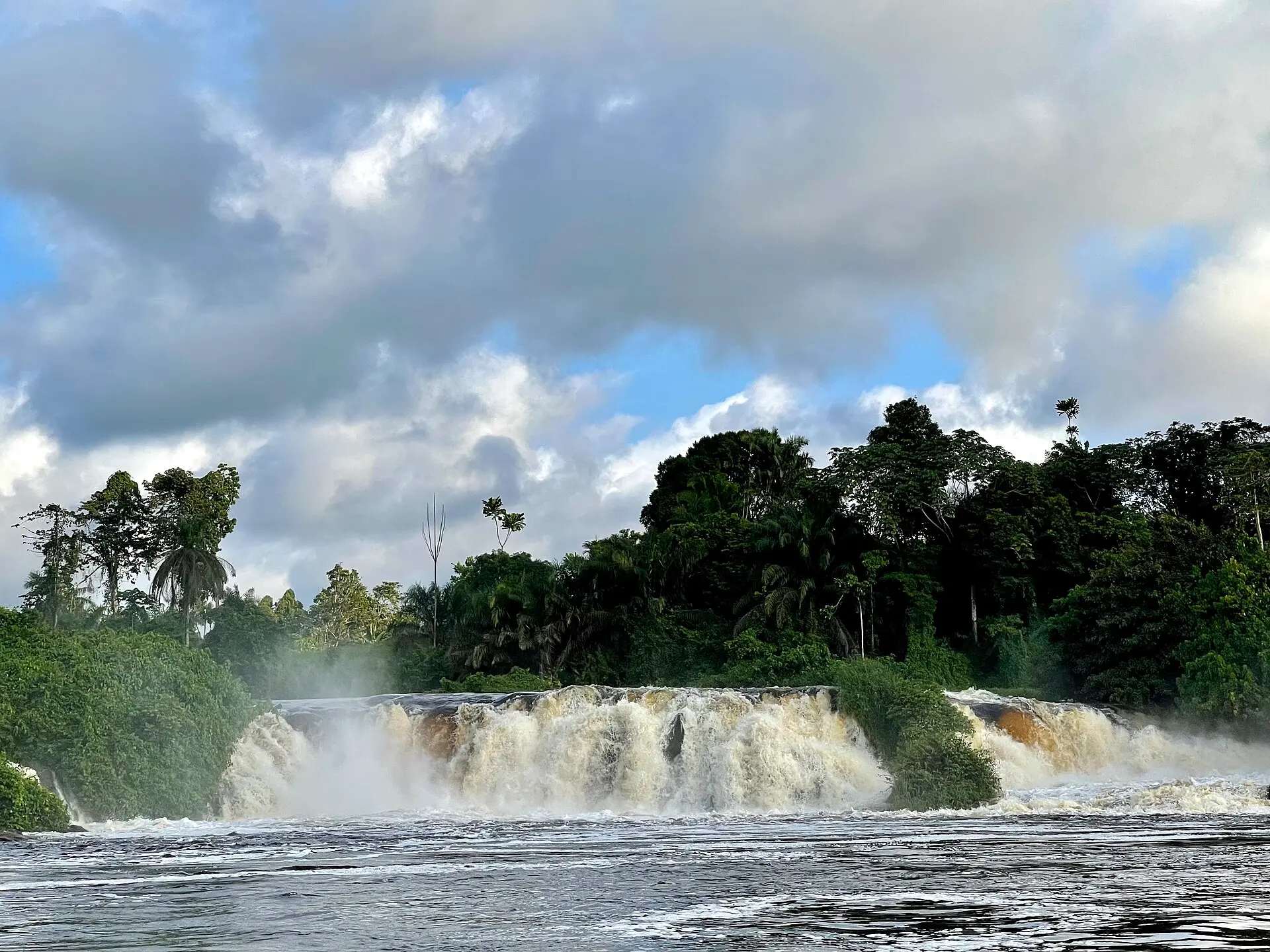
Kribi's signature sight: the Lobé River pours over a rocky ledge straight onto the beach and into the Atlantic. Walk around the cascades at low tide, have lunch at one of the beach grills and photograph the falls from the sand. Entry to the site is usually free or by a small local fee; parking attendants and guides will approach you — agree prices before any service.
Time needed: 2–3 hours. Best: morning, October–December for strong flows.
Book tours in KribiLive times, prices and free cancellation terms on GetYourGuide.
Check availability2. Pirogue trip up the Lobé
From the foot of the falls, boatmen paddle or motor upriver through the forest, past fishermen and overhanging trees, to calmer pools and villages. Many trips include a visit to a Bagyeli settlement; the Bagyeli are a forest people with their own language and traditions, and visits should be respectful and arranged with someone who works with the community — agree a fair contribution in advance and ask before photographing. Insist on life jackets.
3. Beach days
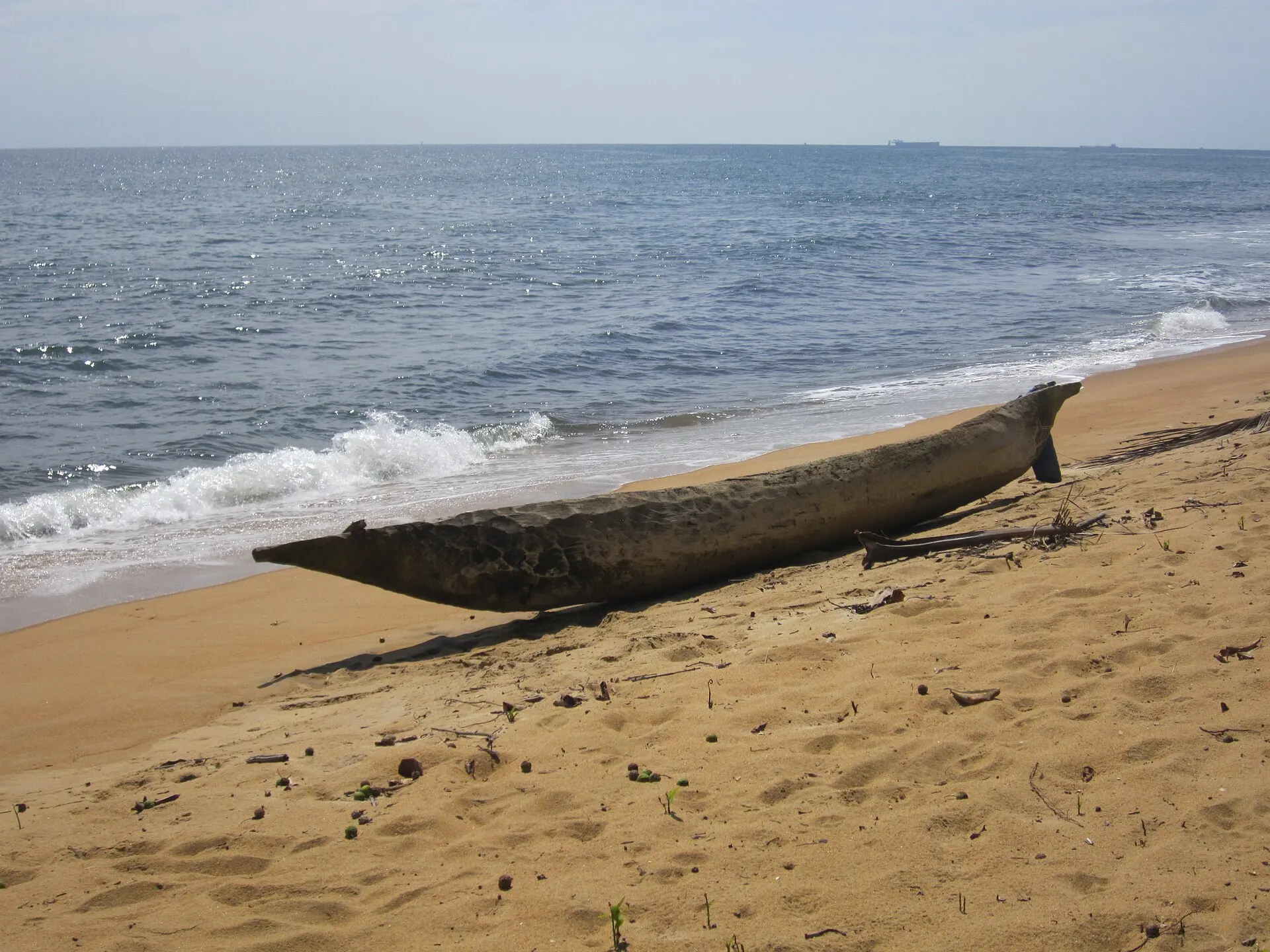
Choose your beach by mood: the town beaches for restaurants and people-watching, Grand Batanga and the southern coves for calm and sunsets, Londji north of town for a sheltered bay. Weekends bring families from Douala; weekdays are quiet. Sun loungers and umbrellas are available at most lodges for guests or for a fee.
4. The fish market and the port
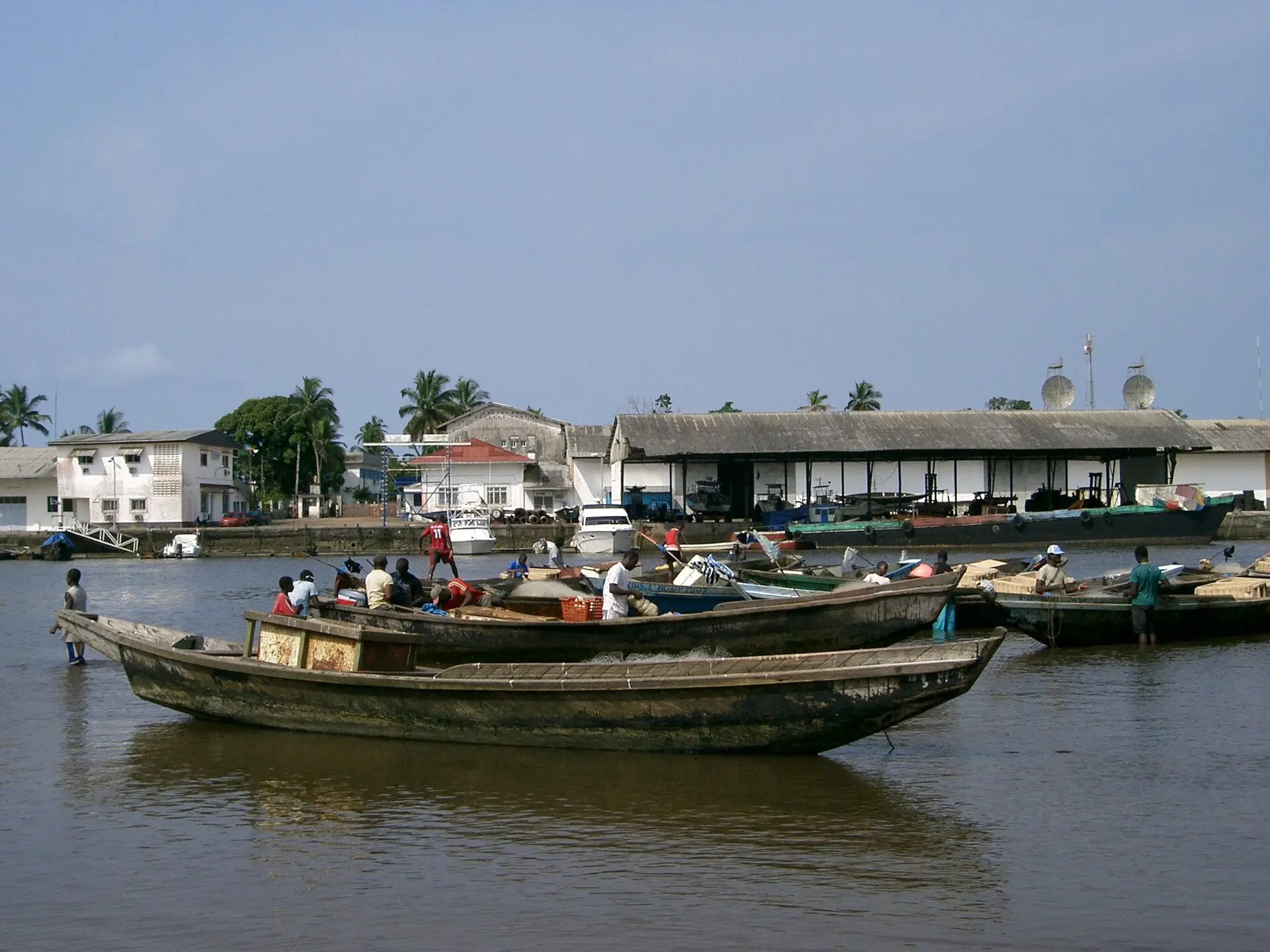
In the late afternoon, when the pirogues come in, the fishing port fills with traders. Buy fish and have it grilled nearby, or simply watch the scene. The new deep-sea port north of town is an industrial zone and not for visiting — and photographing port installations is prohibited.
5. The lighthouse and colonial traces
Kribi's old lighthouse is one of the town's landmarks, and the coast south at Grand Batanga was the site of some of the region's early Christian missions, remembered in the village's churches and memorials. A walk through town past the churches and the Kienké estuary takes an hour or two.
6. Turtles at Ebodjé and the Campo-Ma'an forest
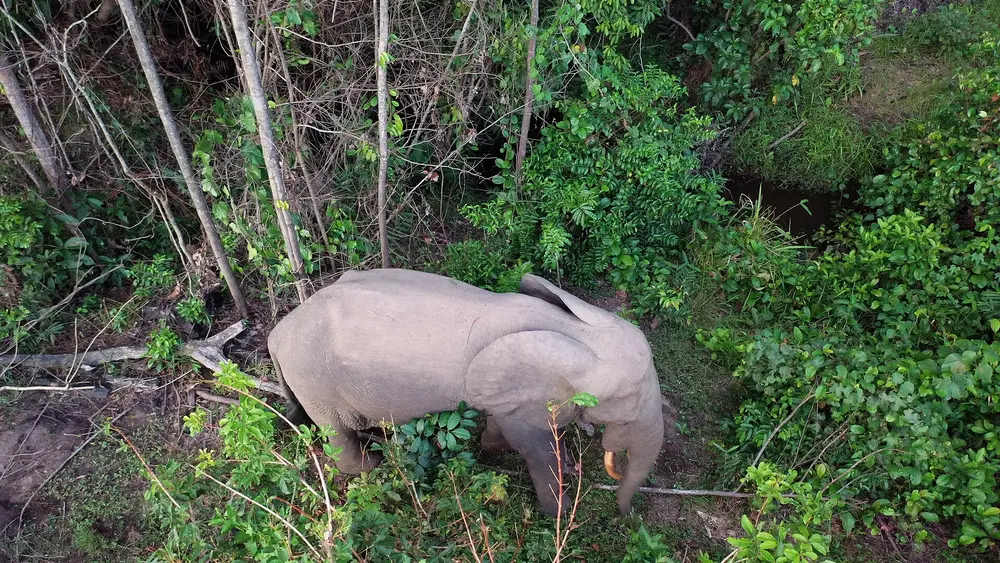
About an hour south, the fishing village of Ebodjé has organised community turtle monitoring and ecotourism: in the nesting season (roughly November to March) local guides lead night walks to watch turtles nesting, without lights or flash. Further on, Campo-Ma'an National Park offers forest walks and river trips. Both are best as an overnight trip. See Campo-Ma'an & Ebodjé.
7. Practical tips
- Bring cash in small notes; card payment is rare outside the larger hotels.
- Hire a taxi for half a day to combine the falls and southern beaches.
- Use reef-safe sunscreen and drink bottled water.
- Don't leave belongings unattended on the beach.
A perfect day in Kribi
- 7 AM local time: early swim before the heat, breakfast at your lodge.
- 9 AM: taxi to the Lobé Falls; walk the cascades in soft morning light.
- 10 AM: pirogue trip upriver (agree the price per boat first).
- 1 PM: lunch of grilled fish or prawns at the falls.
- 3 PM: siesta or a quiet beach towards Grand Batanga.
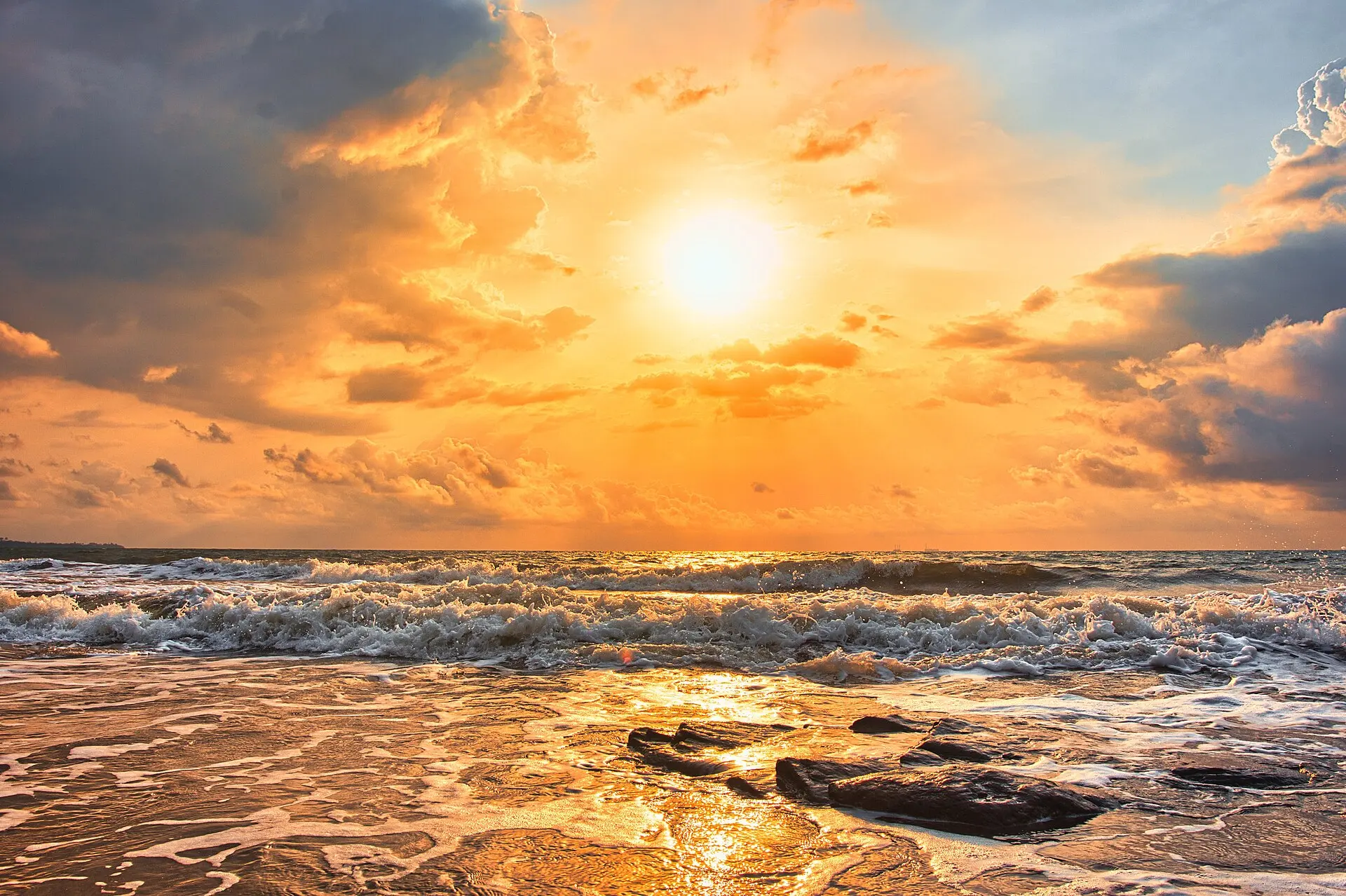
- 5:30 PM: sunset over the Atlantic — the sun sets around 6–6:30 PM local time all year near the equator.
- 7:30 PM: dinner in town; take a taxi back.
With children
Kribi is Cameroon's family beach. Children love the pirogues, crabs and tide pools, and the fish grills. Choose a lodge with a pool or a sheltered beach, keep a close eye in the water (currents can be strong and there are rarely lifeguards), protect everyone from the sun and mosquitoes, and carry oral rehydration salts. Pharmacies in town stock basics.
Rainy-day ideas
Storms usually come in the afternoon. Use mornings for the falls and beaches, and keep afternoons for long lunches, a massage at your lodge, a look round the town's churches and markets, or a visit to the art collection of La Villa Lou at Grand Batanga, a villa-museum listed among our stays.
Frequently asked questions
How do I get to the Lobé Falls from Kribi?
By taxi or moto-taxi, about 8 km (15–20 minutes) south of town on the road to Grand Batanga.
When can I see turtles near Kribi?
In the nesting season, roughly November to March, with community guides at Ebodjé about an hour south of Kribi.
Sources and official information
Facts were checked against these official and primary sources in November 2026. Security advice, visa rules, prices and timetables change, so confirm before you go.
VisitCameroon.com is an independent guide, not the official site of the Ministry of Tourism and Leisure (MINTOUL), the Government of Cameroon or any operator. Some links are affiliate links: hotels go to Booking.com and tours to GetYourGuide, and we may earn a commission at no extra cost to you.