In short
- Yaoundé → Somalomo: ≈ 250 km via Akonolinga and Abong-Mbang, 5–7 h.
- Yaoundé → Lomié: via Abong-Mbang, similar time.
- 4×4 essential in the rains; daylight travel only.
Routes
| To | From Yaoundé | Time | Notes |
|---|---|---|---|
| Somalomo (north) | ≈ 250 km | 5–7 h | Paved to Abong-Mbang area, then laterite |
| Lomié (east) | ≈ 300 km | 6–8 h | Laterite; slow in rains |
| Sangmélima (south-west approach) | ≈ 170 km | ≈ 3 h | Paved town; onward tracks to the reserve's southern side |
Book tours in Dja Faunal ReserveLive times, prices and free cancellation terms on GetYourGuide.
Check availabilityThe drive, step by step
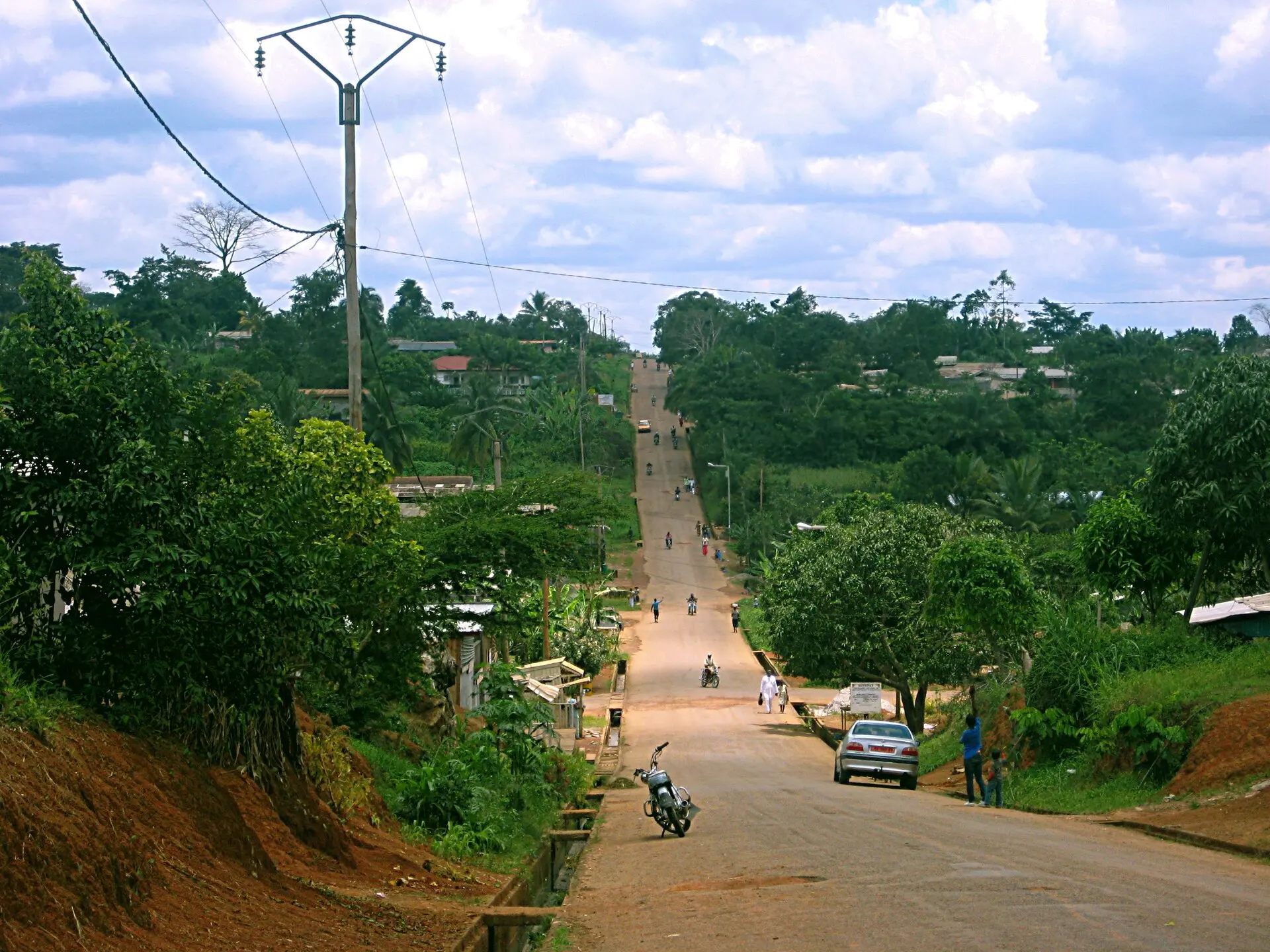
Leave Yaoundé at dawn on the paved road east via Ayos and Akonolinga; stop for breakfast and fuel. The paved road continues towards Abong-Mbang, where you turn south onto laterite towards Somalomo — the slowest, roughest part, especially after rain. For Lomié, continue east and south on laterite. Plan to arrive in the early afternoon, leaving a buffer for punctures, checkpoints and road works. In the dry season the drive is long but straightforward; from September to November it can take much longer.
Time and distance at a glance
| Leg | Road | Time |
|---|---|---|
| Yaoundé – Akonolinga | Paved | ≈ 1.5–2 h |
| Akonolinga – Abong-Mbang | Paved | ≈ 1.5–2 h |
| Abong-Mbang – Somalomo | Laterite | ≈ 2–3 h |
| Yaoundé – Sangmélima | Paved | ≈ 3 h |
Public transport
Buses and bush taxis connect Yaoundé with Abong-Mbang, Lomié and Somalomo, but schedules are irregular and vehicles crowded. They don't take you into the reserve. Most visitors travel with their operator's 4×4.
Which way suits you?
- Most visitors: the operator's 4×4 from Yaoundé, included in the trip price — the only practical option for reaching camps.
- Researchers and long-stay visitors: public buses to Abong-Mbang or Lomié, then local arrangements — slow and uncomfortable, and you still need permits and guides.
- Not recommended: self-drive without forest-road experience, a recovery kit and local knowledge.
Road safety
Logging trucks, potholes and mud are the main hazards. Never drive after dark, carry water and food, and keep spare fuel.
Checkpoints and documents
Expect several police and gendarmerie checkpoints on the way. Keep your passport, visa and a few photocopies to hand, along with your operator's permit papers. Be patient and polite, don't photograph checkpoints and let your driver do the talking. Note that the road east beyond Bertoua towards Yokadouma and the CAR border is under a red ('formally advised against') zone in France's advice and requires a military escort to cross; the Dja route does not go that way.
Coming back to Yaoundé
Plan the return drive for the morning, to reach the capital before dark and avoid evening traffic on the eastern approaches. Don't book an international flight on the same day — a breakdown or a washed-out section of laterite can easily cost half a day. A night in Yaoundé to wash, rest and repack is the sensible end to any Dja trip.
Before you leave Yaoundé
Fill the tank and spare jerrycans, withdraw all the cash you need, buy food and water, and make sure your operator has registered the trip with the conservation service. Leave early in the morning to reach the gateway town in daylight, and share your itinerary with someone in Yaoundé.
Frequently asked questions
How far is the Dja from Yaoundé?
About 5–7 hours by 4×4 to Somalomo, the main northern gateway.
Can I reach the Dja by public transport?
Buses reach Somalomo and Lomié irregularly, but you'll still need guides and transport to enter the reserve. A 4×4 with your operator is the practical choice.
Do I need a 4×4 for the Dja?
Yes. The final sections to Somalomo and Lomié are laterite and become very slippery in the rains; operators use 4×4s with experienced drivers.
Can I fly to the Dja?
No. There are no scheduled flights to the reserve's gateways; all access is by road from Yaoundé.
What is the best gateway to the Dja?
Somalomo, on the northern edge, is the classic gateway for forest walks and river trips; Lomié in the east suits community-focused trips with Baka guides.
Sources and official information
Facts were checked against these official and primary sources in November 2026. Security advice, visa rules, prices and timetables change, so confirm before you go.
VisitCameroon.com is an independent guide, not the official site of the Ministry of Tourism and Leisure (MINTOUL), the Government of Cameroon or any operator. Some links are affiliate links: hotels go to Booking.com and tours to GetYourGuide, and we may earn a commission at no extra cost to you.