In short
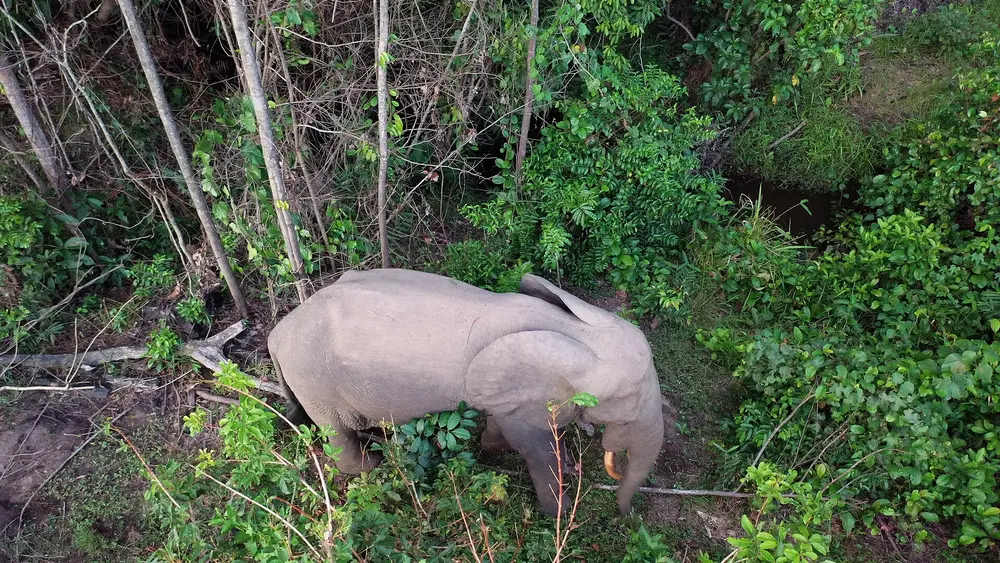
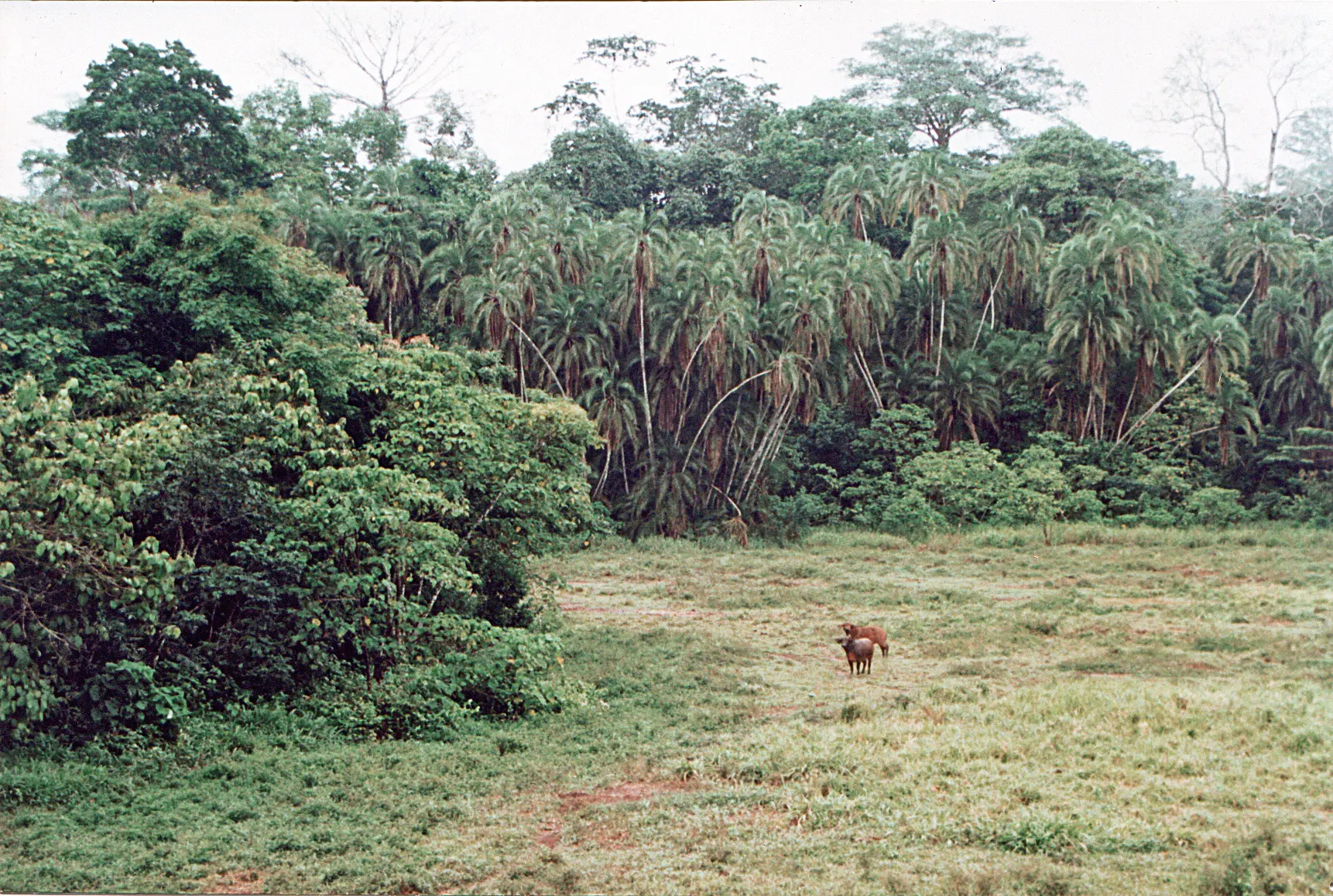
- Bai watching: elephants, gorillas, bongo, sitatunga, buffalo, parrots.
- Forest walks with eco-guards and Baka trackers.
- UK advice: against all travel to the area (November 2026).
Bai watching
Long hours on a mirador overlooking a clearing, waiting for elephants to emerge, gorillas to wade in for aquatic plants or a bongo to step out at dusk — patient wildlife watching at its purest.
Guides & permits for LobékéWho to book, what licences to ask for and what it costs — our practical guide.
Read the guideForest walks and river
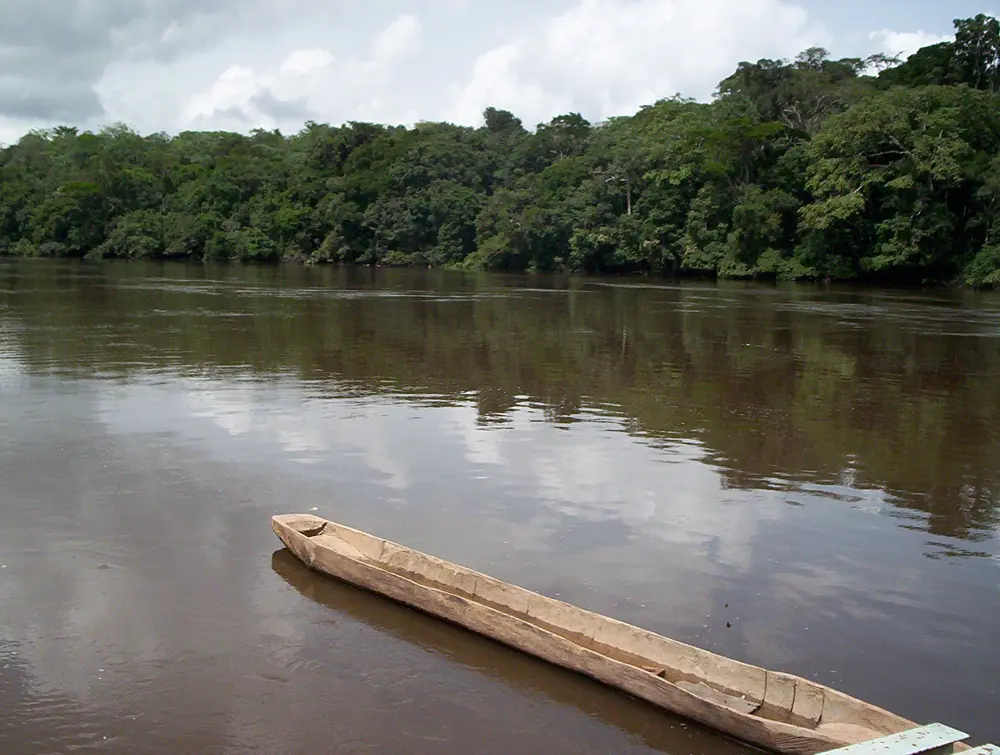
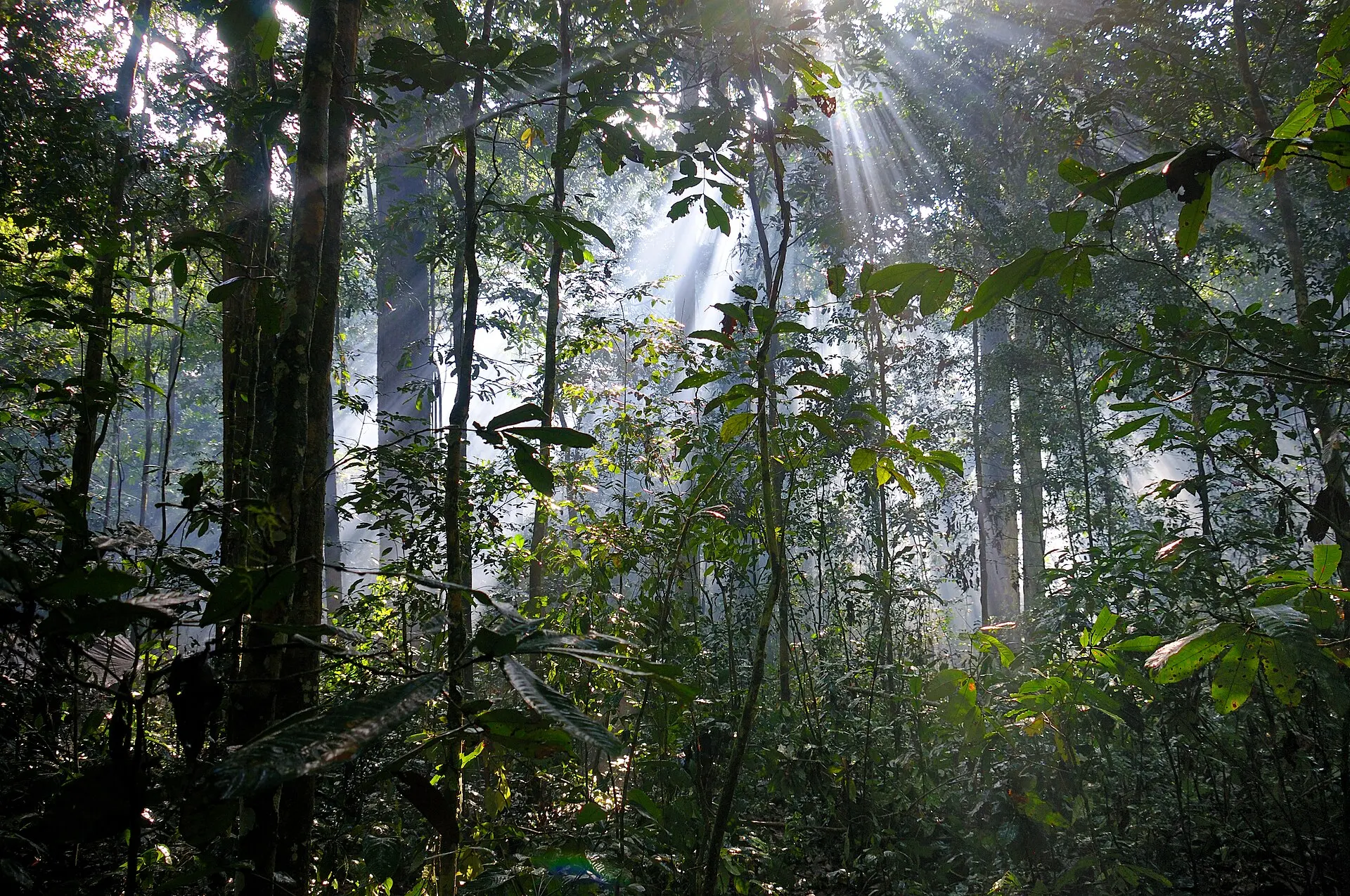
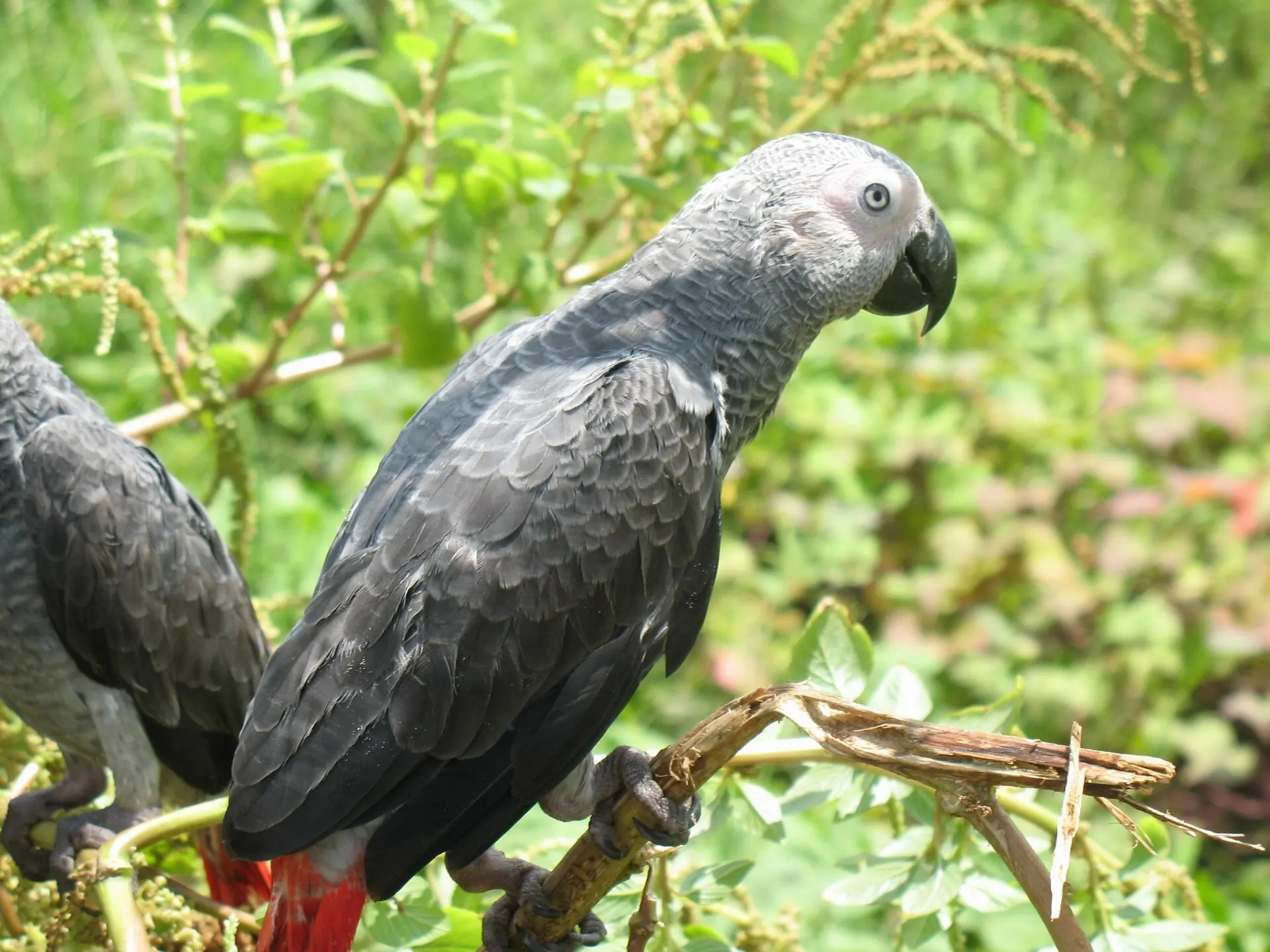
Trails between bais cross swamp forest and streams; the Sangha River marks the eastern boundary. Birding includes grey parrots, which gather at some clearings in large numbers.
Status
Under current UK, US and French advice for the CAR border zone (November 2026), these activities are not recommended. See the Dja for rainforest experiences outside advised-against areas.
Comparable experiences elsewhere
Bai watching like Lobéké's is possible in neighbouring countries' parks of the same Sangha Trinational landscape, but those also lie in border areas with their own travel advice. Within Cameroon, the Dja Faunal Reserve is the closest equivalent outside advised-against zones.
Frequently asked questions
What animals live in Lobéké?
Forest elephants, western lowland gorillas, chimpanzees, bongo, sitatunga, forest buffalo, many monkeys and over 300 bird species, including grey parrots.
Sources and official information
Facts were checked against these official and primary sources in November 2026. Security advice, visa rules, prices and timetables change, so confirm before you go.
VisitCameroon.com is an independent guide, not the official site of the Ministry of Tourism and Leisure (MINTOUL), the Government of Cameroon or any operator. Some links are affiliate links: hotels go to Booking.com and tours to GetYourGuide, and we may earn a commission at no extra cost to you.