In short
- Morning: Sultan's Palace and the royal square.
- Midday: Museum of the Bamoun Kings.
- Afternoon: artisans' street and market.
- Friday prayers and ceremonies can change opening times.
1. The Sultan's Palace and royal square
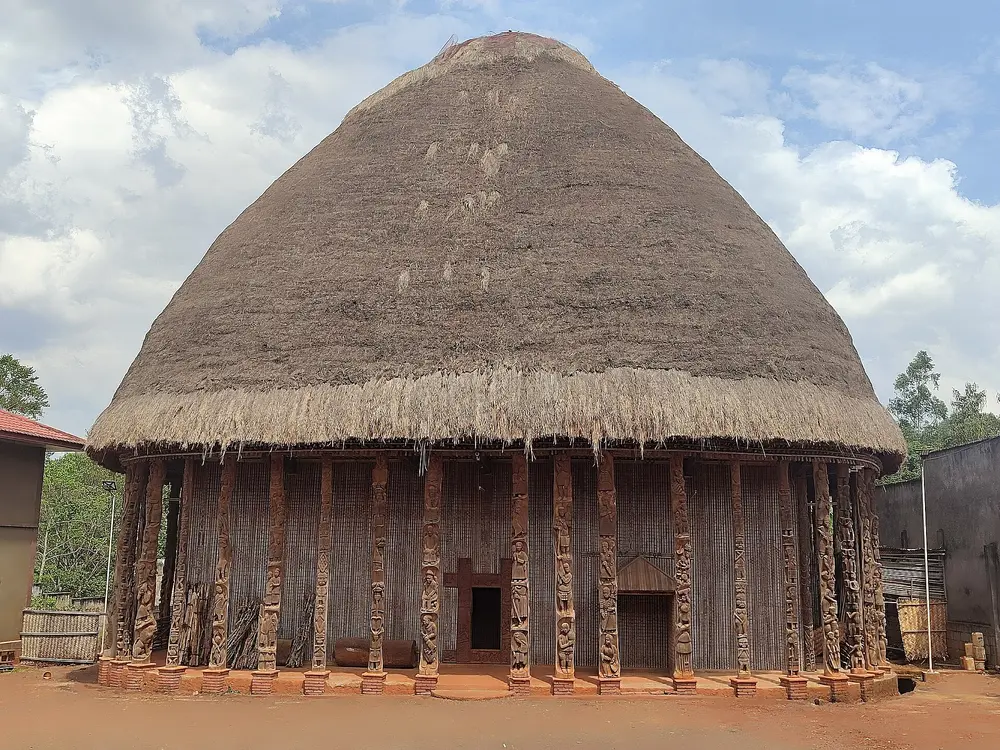
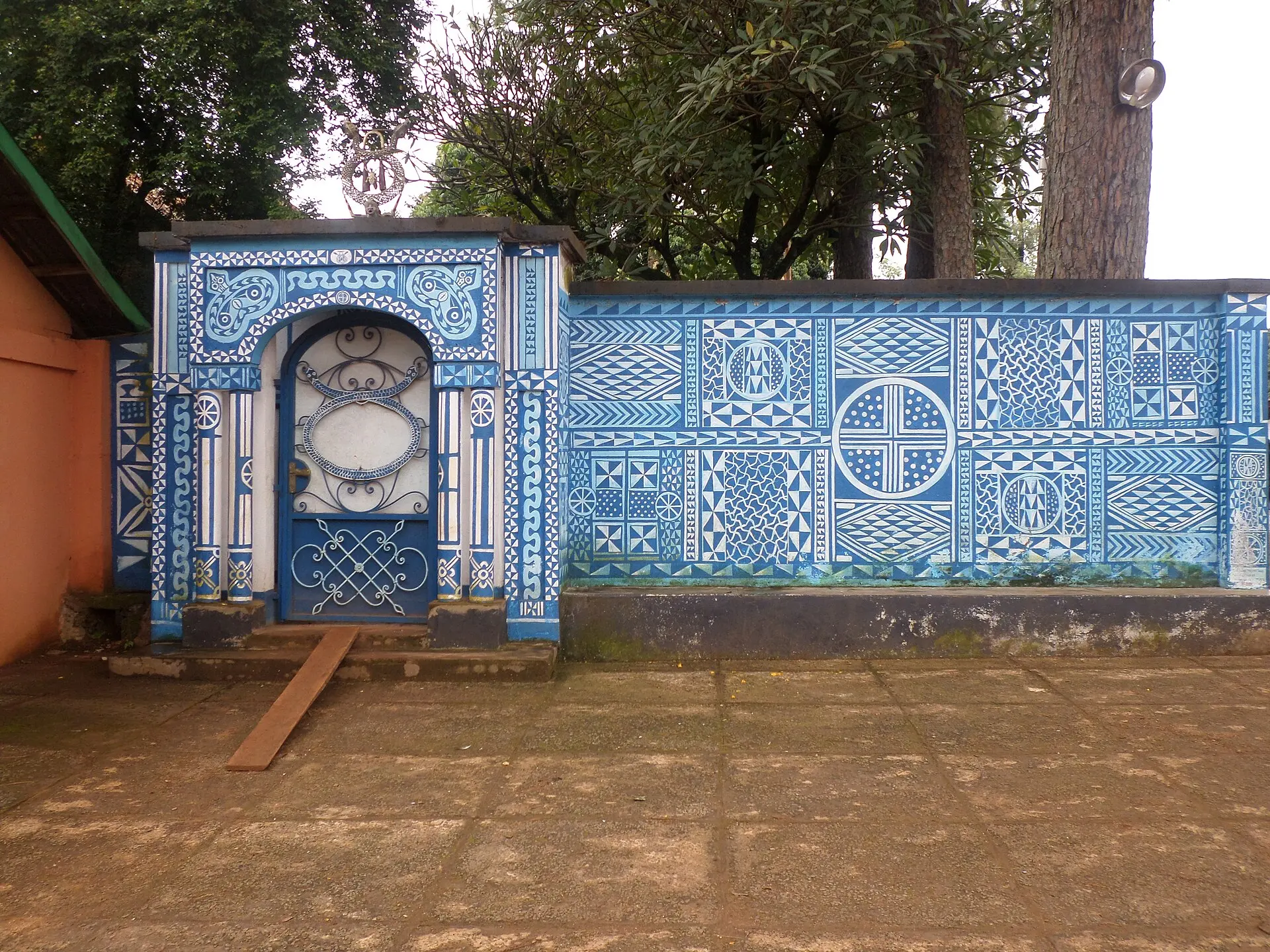
Begin at the palace, Njoya's 1917–1922 creation, and its vast square. A guide will show you the accessible parts and explain court protocol. Entry fees are paid at the palace; keep the receipt.
Book tours in FoumbanLive times, prices and free cancellation terms on GetYourGuide.
Check availability2. Museum of the Bamoun Kings
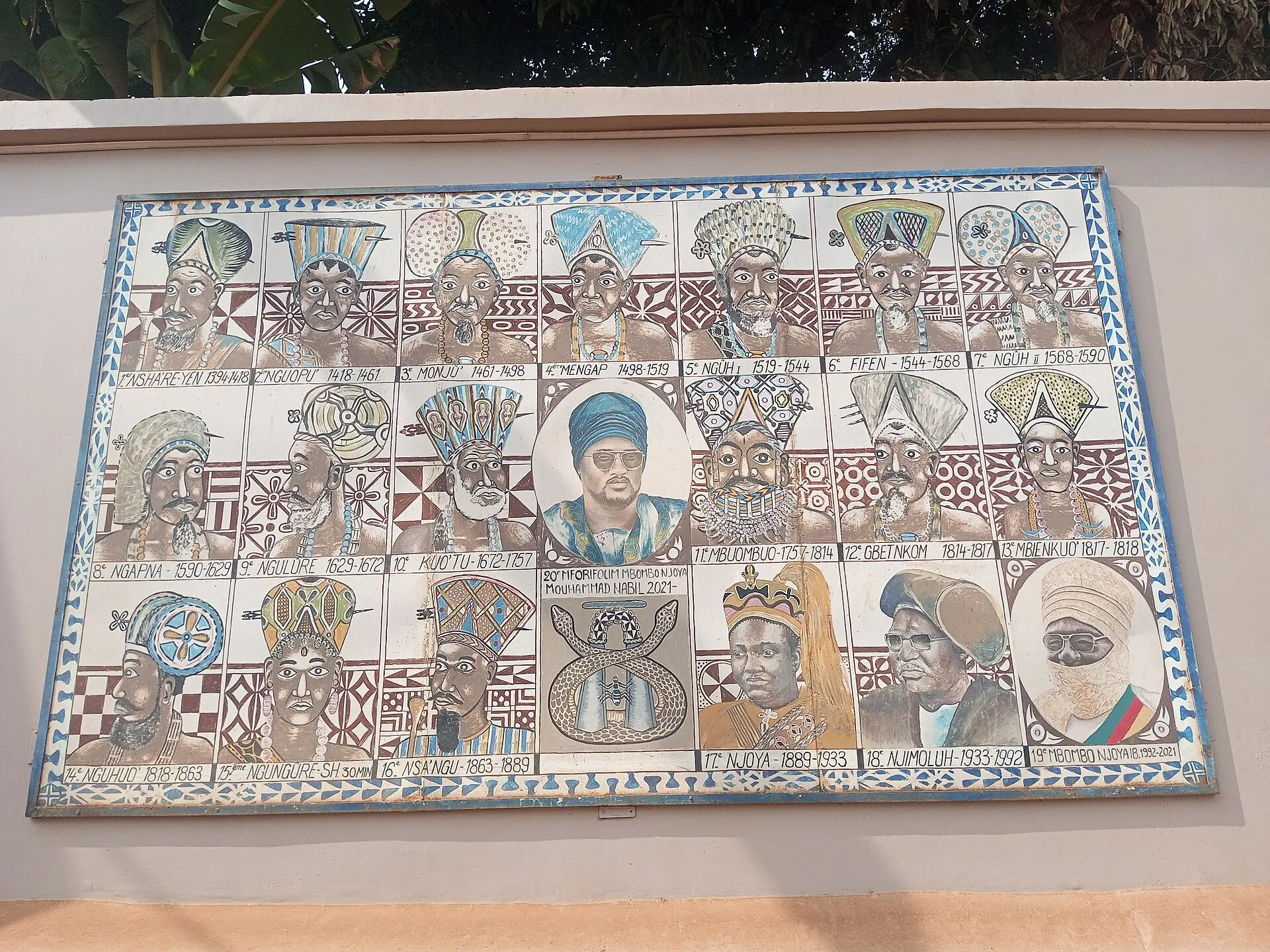
The two-headed serpent and spider on the building announce the dynasty's symbols. Inside, the collections trace the kingdom's history from Nchare Yen to today: beaded thrones, masks, royal regalia, weapons, Njoya's writings and maps. Photography rules are set by the museum — ask at the entrance.
3. Artisans' street and lost-wax casting
Watch bronze casters shape wax models, encase them in clay and pour molten metal — a technique practised here for generations. Woodcarvers produce masks, stools and doors; beadworkers decorate calabashes and figures. Bargaining is expected.
4. Market and mosque
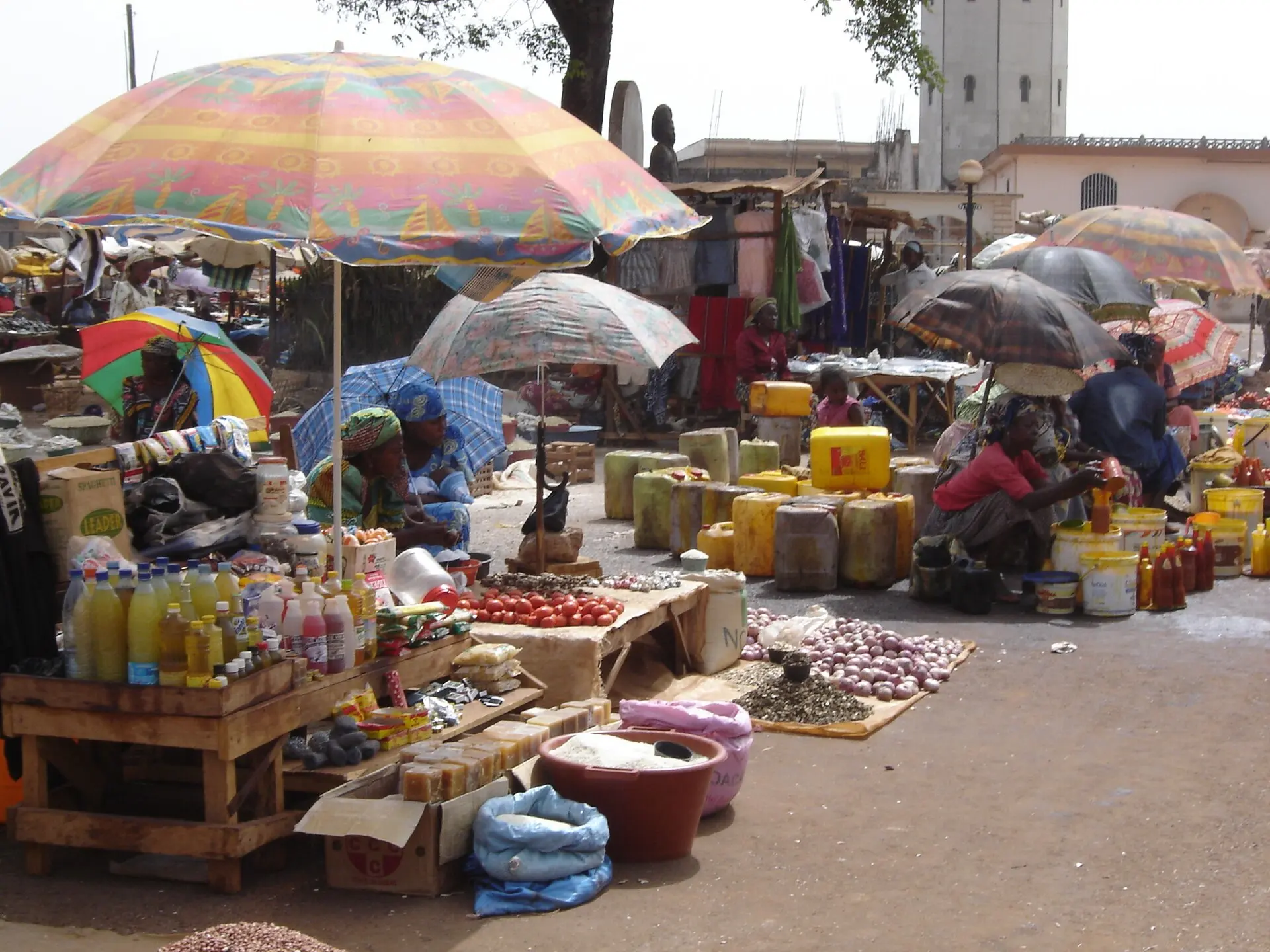
The central market is a colourful mix of produce, fabrics and crafts. Foumban's main mosque faces the palace square; non-Muslims can admire it from outside — ask before entering any religious building.
5. Around Foumban
With a driver, combine Foumban with chiefdoms on the way from Bafoussam, such as Bafoussam or Bandjoun. Avoid the Lake Bamendjing area (including Petpenoun) under current French advice.
6. The royal collection in detail
Take your time inside the Museum of the Bamoun Kings. Highlights to look for: thrones and stools covered with glass beads and cowries, a symbol of royal wealth; brass and bronze pipes and drinking horns used in court ceremonies; masks and costumes of palace societies; weapons from the kingdom's wars; and documents written in Njoya's script, including pages of his history of the Bamoun. The building itself is part of the visit — the two-headed serpent, spider and double gong are emblems of the dynasty. When it opened in April 2024, the museum was reported to be open daily from 8 AM to 6 PM local time; confirm current hours locally.
Watching lost-wax casting
The bronze casters of Foumban use the lost-wax method: a model is shaped in wax, coated with fine clay, then heated so the wax runs out; molten brass is poured into the hollow mould, which is broken once cool, so every piece is unique. Workshops on the artisans' street are usually happy to show the stages — firing often happens in the morning. A small purchase or a tip is a fair thank-you for a demonstration.
A one-day plan
- 8 AM local time: Sultan's Palace and the royal square, before the heat and the tour groups.
- 10 AM: Museum of the Bamoun Kings (allow 1.5–2 hours).
- 12:30 PM: lunch near the market — grilled meat, rice, or a Bamoun dish recommended by your guide.
- 2 PM: artisans' street: lost-wax casting, woodcarving, beadwork.
- 4 PM: the market and a look at the mosque from outside.
- 5 PM: leave for Bafoussam (1.5 h) to arrive before dark, or stay overnight.
Buying crafts well
- Visit several workshops before buying; prices vary.
- Ask the artisan to explain how a piece was made — lost-wax bronzes are each unique.
- Bargain politely; start around half to two-thirds of the asking price.
- Ask for a receipt for larger pieces in case customs ask at departure.
- Genuine antiques are cultural heritage and need export authorisation; most 'antique' items are new.
Frequently asked questions
How long do I need in Foumban?
One full day for the palace, the museum and the artisans; stay overnight to avoid driving after dark.
Can you visit inside the Sultan's Palace?
Parts of the palace are open to guided visits; some areas are reserved for the court.
What is the Museum of the Bamoun Kings?
A royal museum next to the palace, in a building decorated with the dynasty's symbols, presenting thrones, regalia, weapons and Njoya's manuscripts.
Can I take photos inside the Foumban museum?
Rules are set by the museum and the palace and may change; ask at the entrance before taking pictures.
What should I buy in Foumban?
Lost-wax bronze figures, carved wooden masks, stools and doors, and beadwork — bought directly from the workshops after visiting a few.
Sources and official information
Facts were checked against these official and primary sources in November 2026. Security advice, visa rules, prices and timetables change, so confirm before you go.
VisitCameroon.com is an independent guide, not the official site of the Ministry of Tourism and Leisure (MINTOUL), the Government of Cameroon or any operator. Some links are affiliate links: hotels go to Booking.com and tours to GetYourGuide, and we may earn a commission at no extra cost to you.