In short
- Coolest dry months: November–February (harmattan haze).
- Hottest: March–May, often above 40 °C.
- Rains: June–September.
Seasons
For now, these seasons matter only for planning a future trip — see the advice at the top of the region page.
| Months | Weather | Note |
|---|---|---|
| Nov–Feb | Dry, warm days, cool nights, dust | Historically the touring season |
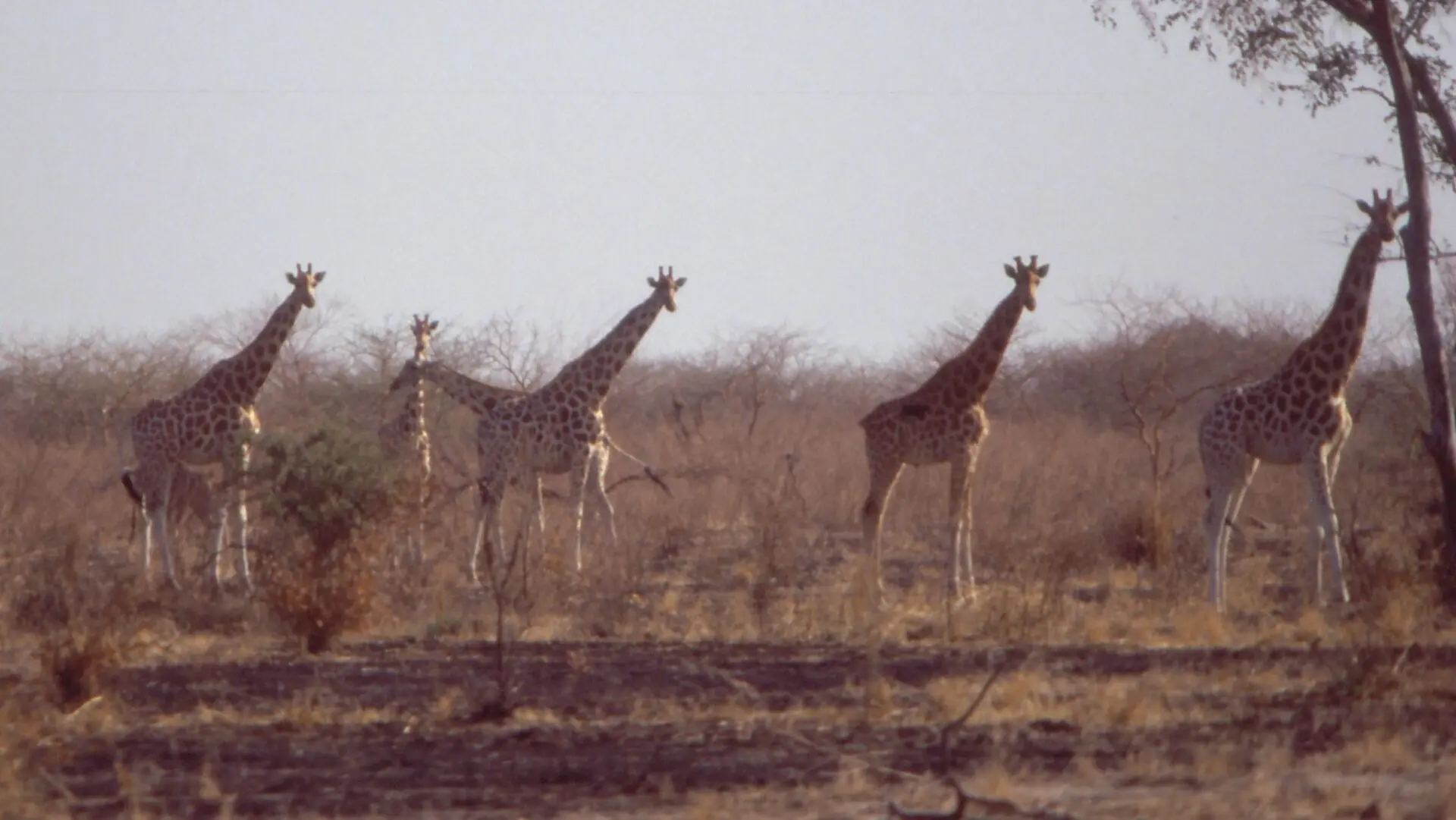
| Mar–May | Very hot | Wildlife at waterholes (Waza) |
| Jun–Sep | Rainy, green | Roads difficult; floodplains |
| Oct | Drying out | Harvest season |
Guides & permits for Maroua, Rhumsiki & WazaWho to book, what licences to ask for and what it costs — our practical guide.
Read the guideWhere to go instead, by season
- November–February: the Western Highlands and Foumban for volcanic landscapes, chiefdoms and festivals; Kribi for the coast.
- March–May: Yaoundé's museums and the Mefou sanctuary; the West's museums.
- July–August: Yaoundé and the south during their drier spell.
Frequently asked questions
When is the dry season in northern Cameroon?
Roughly October to May, with the coolest months November to February.
What was the best season for Rhumsiki and Waza?
Historically November to February, after the rains, when the landscape is green and temperatures moderate; Waza's wildlife concentrated around waterholes later in the dry season. Travel there is currently advised against.
Sources and official information
Facts were checked against these official and primary sources in November 2026. Security advice, visa rules, prices and timetables change, so confirm before you go.
VisitCameroon.com is an independent guide, not the official site of the Ministry of Tourism and Leisure (MINTOUL), the Government of Cameroon or any operator. Some links are affiliate links: hotels go to Booking.com and tours to GetYourGuide, and we may earn a commission at no extra cost to you.