In short
- All of the following lie in areas under 'do not travel' advice (November 2026).
- Rhumsiki · Mandara villages · Diy-Gid-Biy · Maroua crafts · Waza wildlife.
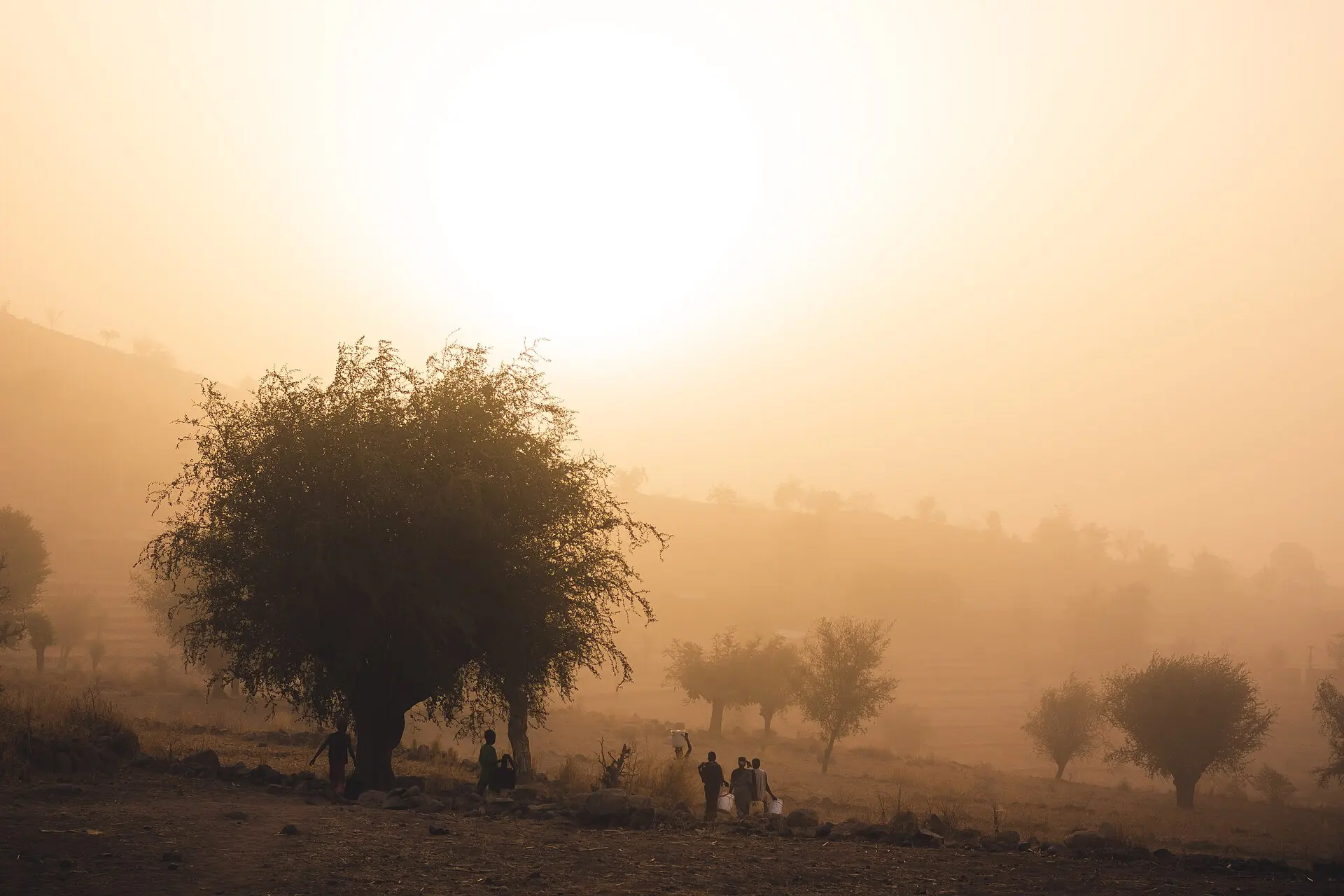
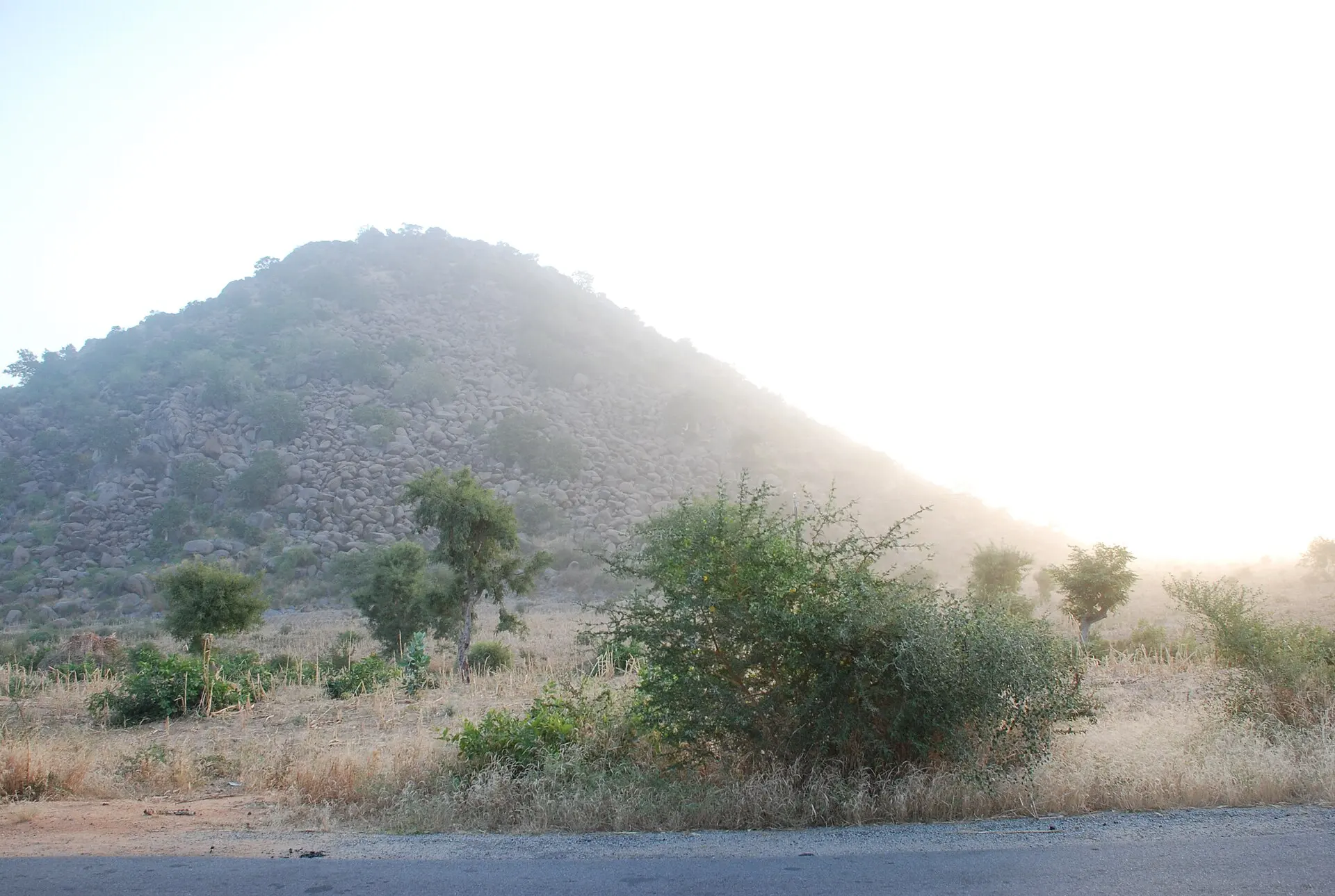
Rhumsiki's volcanic landscape
Sunrise over the volcanic plugs from the edge of Rhumsiki village was the region's signature experience, followed by walks to Kapsiki compounds and craft workshops.
Guides & permits for Maroua, Rhumsiki & WazaWho to book, what licences to ask for and what it costs — our practical guide.
Read the guideMandara villages and Diy-Gid-Biy
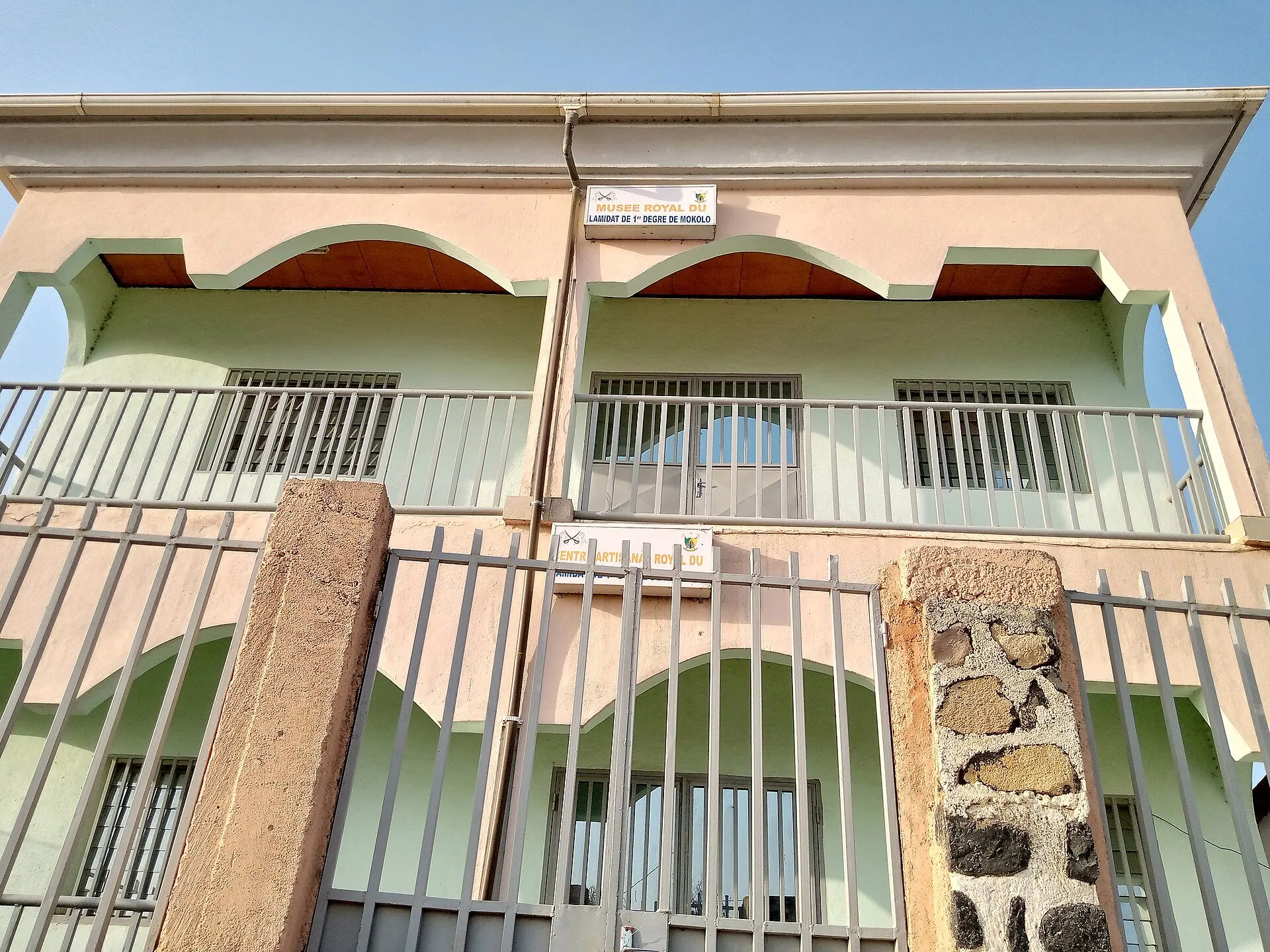
Terraced hills, granaries and the dry-stone Diy-Gid-Biy ruins; the Mokolo museum presented Mafa culture.
Maroua's crafts
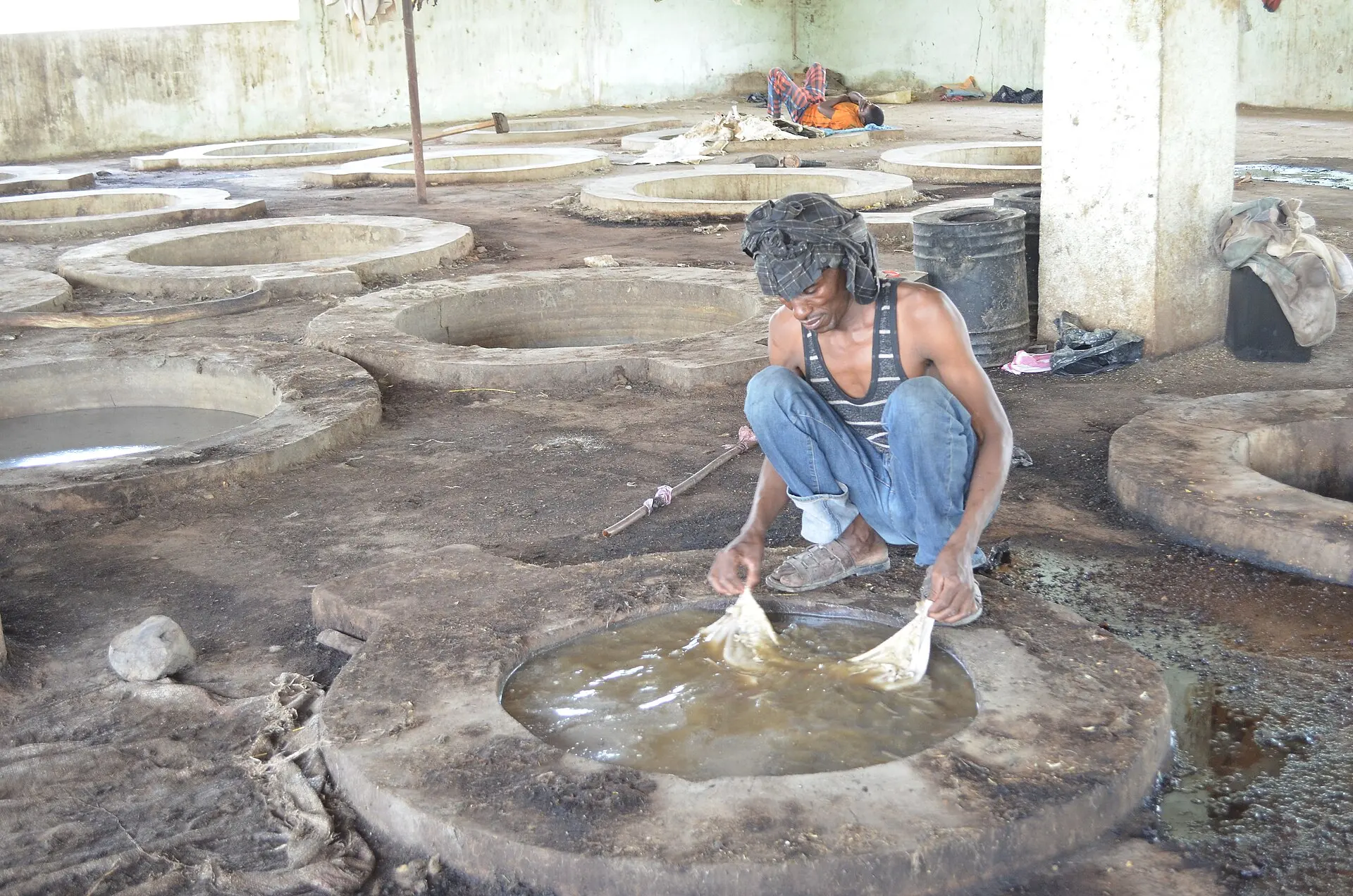
Leatherwork from the tanneries, embroidered robes and the large market.
Waza's savannah
Dry-season game drives to waterholes for elephants, giraffes and birds.
Open alternatives
Chiefdoms and highlands in the West, crafts in Foumban, forest in the Dja.
Learn about the north from afar
Yaoundé's National Museum and Dschang's Musée des Civilisations both present the Sudano-Sahelian cultures of the north, including crafts, architecture and music. Northern crafts — leatherwork, embroidered robes, pottery — are sold in markets in Yaoundé and Douala.
Frequently asked questions
What is Rhumsiki famous for?
Its landscape of volcanic plugs around Kapsiki Peak and the Kapsiki villages and crafts.
Sources and official information
Facts were checked against these official and primary sources in November 2026. Security advice, visa rules, prices and timetables change, so confirm before you go.
VisitCameroon.com is an independent guide, not the official site of the Ministry of Tourism and Leisure (MINTOUL), the Government of Cameroon or any operator. Some links are affiliate links: hotels go to Booking.com and tours to GetYourGuide, and we may earn a commission at no extra cost to you.